Ecuador's power crisis is escalating fast. The government has ordered hundreds of the country's biggest electricity consumers to disconnect from the national grid immediately, ahead of scheduled 72-hour blackouts for around 9,000 high- and medium-voltage customers — mostly manufacturers and large agricultural operations.
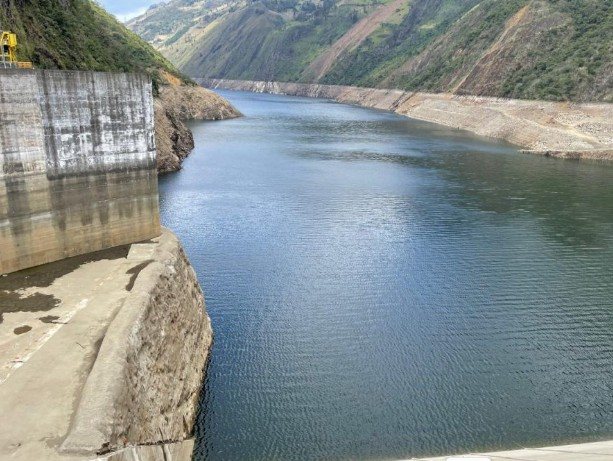
The trigger is a drought-driven collapse in hydropower, which supplies the bulk of Ecuador's electricity. On Saturday morning, the water level at the Mazar reservoir — feeding the country's largest hydroelectric complex — sat just 12.64 metres above its critical operational threshold, having fallen five metres in only four days. The Coca Coda Sinclair plant, Ecuador's second-largest, was running at roughly half capacity after the flow of the Rio Coca dropped 30% in under a week. Smaller plants at Agoyan in Tungurahua Province and San Francisco Mines in Azuay are also constrained.
Thermal backup isn't filling the gap either. Two power barges anchored in the Guayas River near Guayaquil, which together would add 200MW, have been unable to take on fuel because of rough seas. Companies that didn't cut their own power by the deadline faced forced disconnections by local distributors, with the order running through Sunday.
There's a sliver of hope in the forecast: the National Meteorology Institute expects moderate to heavy rain across coastal and Amazon regions, though only light showers in the sierra — the highlands where most hydroelectric plants are located.
For travellers, the takeaway is practical rather than alarmist. This round of outages targets large commercial and industrial users, not homes or hotels, but if you're heading to Ecuador in the coming weeks it's worth assuming some disruption: rolling blackouts can affect traffic lights, card payment systems, lifts and air conditioning, and businesses caught in the industrial cuts may mean reduced services or shorter opening hours in some places. Check with your accommodation about backup power, carry some cash in case card terminals are down, and keep devices charged. Cuenca and other highland cities are in the heart of the affected hydro region, so conditions there bear watching as reservoir levels fall.