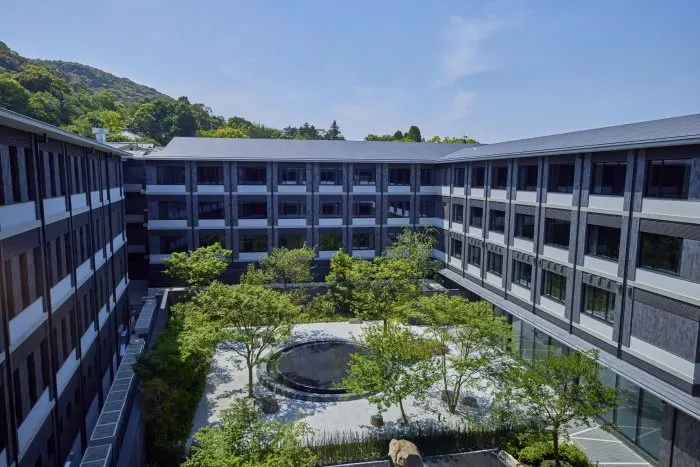
THE HOTEL HIGASHIYAMA KYOTO TOKYU, A Pan Pacific Hotel, has become the first property in the Tokyu Hotels & Resorts portfolio to earn certification from the Global Sustainable Tourism Council. The announcement came on 25 September, after an independent audit by Vireo Srl, a GSTC-accredited certification body based in Padua, Italy, checked the hotel's operations against the council's international standards for sustainable tourism.
GSTC certification isn't a self-declared eco label. It requires a third-party body to verify that a hotel genuinely meets benchmarks covering environmental protection, community relations, staffing and supply chain practices. For travellers who want their accommodation choices to match their values, it's one of the more credible signals to look for.
Tokyu Hotels & Resorts has been moving in this direction for a while. The company signed a memorandum of understanding with the GSTC to use its standards as the framework for its wider sustainability strategy, spanning hotel operations, staff development and sourcing. The Kyoto property's certification is the first concrete result of that policy. Management says the standards will now act as a roadmap rather than a one-off badge, with plans to roll the approach out across other brands and regions, adapting it to each hotel's location and character.
Why Kyoto? The city is one of Japan's most visited destinations, drawing huge numbers of domestic and international guests, and overtourism pressures have made sustainable operations a live issue there. The hotel positions itself as a showcase for Japanese culture and sees verified sustainability credentials as part of its responsibility to the destination — and, frankly, as a competitive edge. Tokyu is explicitly targeting inbound travellers and the MICE (meetings, incentives, conferences and exhibitions) market, both of which increasingly ask about environmental and social practices when booking.
What does it mean if you're planning a stay? The hotel sits in Higashiyama, one of Kyoto's atmospheric eastern districts close to temples and traditional streets. If certified sustainable accommodation matters to you, this gives you a mainstream, internationally verified option in a city where boutique ryokan and big chains don't always publish their credentials. Expect Tokyu's other properties to follow, so the choice should widen across Japan.
For the hotel industry in Japan, it's also a sign of where things are heading: global sustainability standards are becoming part of brand quality rather than a niche add-on, and chains that certify early are betting that travellers — especially international ones — will notice.