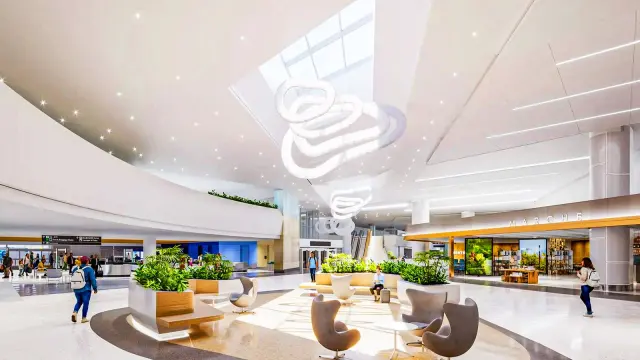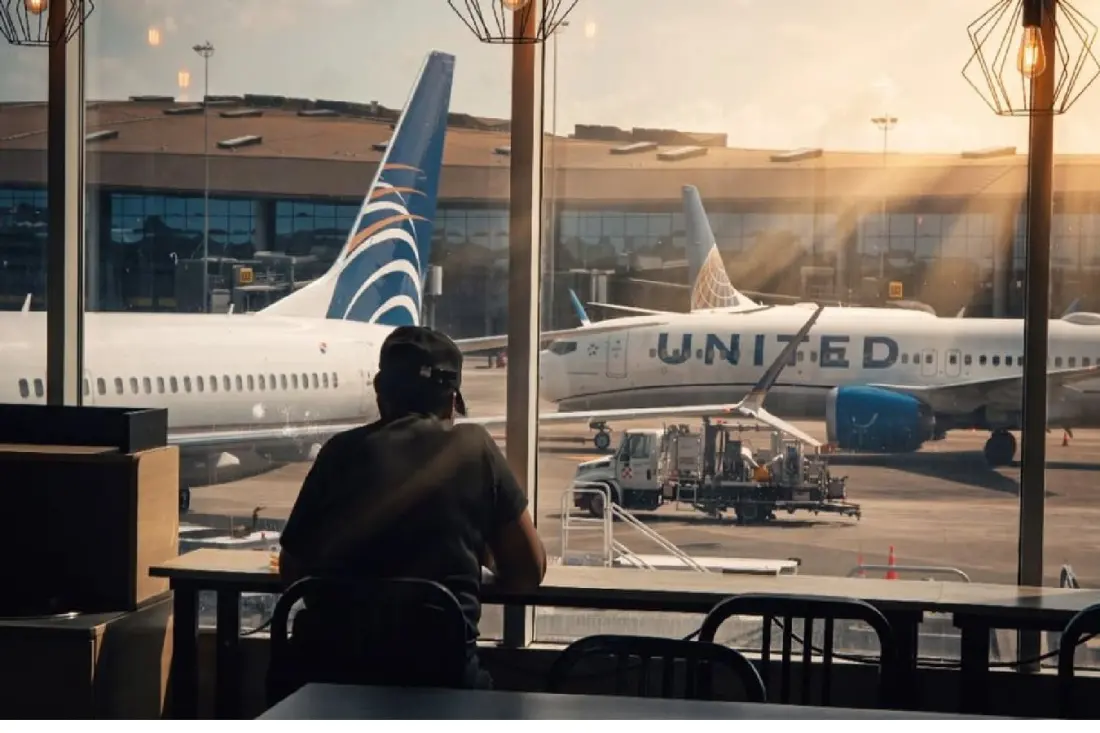
A powerful 7.7-magnitude earthquake shook Panama on the afternoon of Friday, October 9, prompting the temporary closure of Tocumen International Airport, the country's main gateway and one of Latin America's busiest hubs. The airport activated emergency protocols and suspended all flights while passengers and staff were evacuated from terminals and administrative areas as a precaution. Staff guided travellers through the process, and officials said operations would restart only once the terminal and control tower had been checked and cleared. No damage was reported at the airport itself.
The closure matters far beyond Panama City. Tocumen functions as the Hub of the Americas, with roughly three-quarters of its travellers using it purely to connect between flights. In the first eight months of 2026 it handled nearly 15.9 million passengers, up 15% on the same period in 2025, with average daily traffic above 68,900 people and around 450 to 500 aircraft movements a day. Anyone with a connecting itinerary through Panama on the day of the quake faced potential delays or diversions, which is why the disruption rippled across routes linking North and South America and the Caribbean.
Damage elsewhere in the country appears more serious. Local and international media reported structural damage in Penonomé, in Cocle province, including at the Cathedral of San Juan Bautista and the Dos Continentes Hotel. Authorities were still assessing buildings when the reports came in. Meanwhile, the Panama Canal Authority confirmed the waterway was operating normally, so shipping and canal-focused tourism were unaffected.
For travellers, the episode is a reminder of how exposed itineraries can be when a single hub goes dark. If you're flying through Panama City, keep an eye on airline notifications, know your rebooking options, and build slack into tight connections. Anyone planning a trip to Cocle province or the Pacific coast should expect ongoing checks on older buildings and follow local guidance as assessments continue.