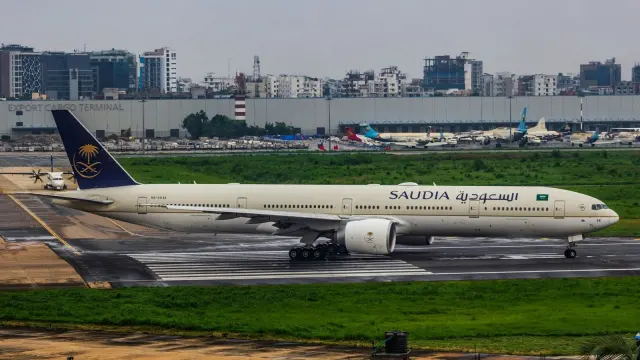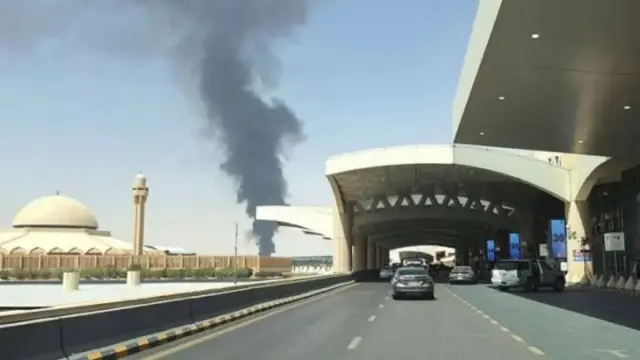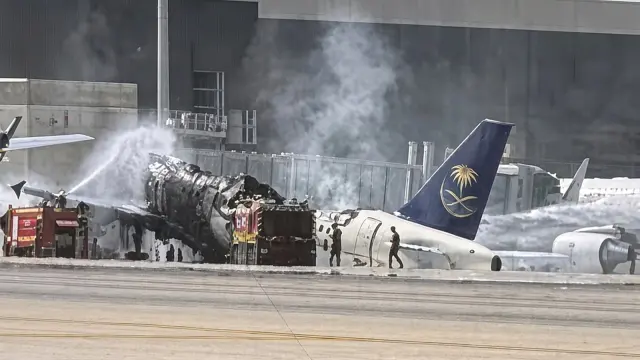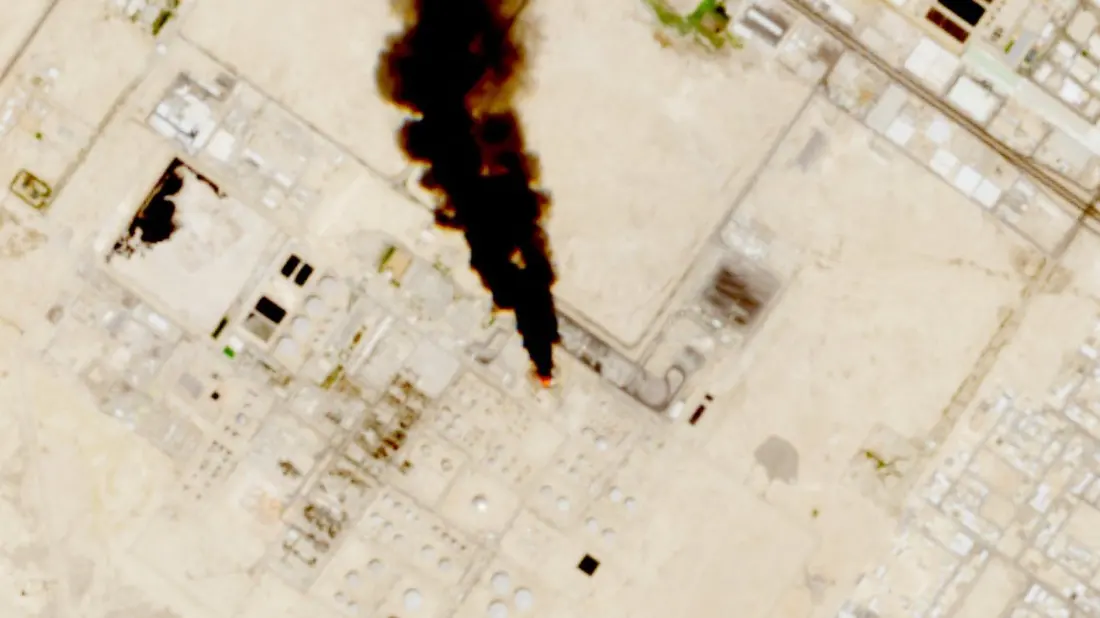
Two of Saudi Arabia's busiest airports were hit in fresh Houthi attacks, and Ankara has come out strongly against the strikes. Türkiye's Foreign Ministry issued a statement on Friday condemning attacks on Abha International Airport in the country's south and King Khalid International Airport in the capital, Riyadh — the main gateway for most international arrivals. The ministry offered condolences to families of those killed and called for an immediate halt to strikes on civilians and critical infrastructure, warning that continued violence risks destabilising the whole region.
Ankara didn't stop at the ministry statement. Presidential Communications Director Burhanettin Duran separately branded the attacks unacceptable, saying the civilian deaths and injuries threaten regional peace and escalate tensions. He reiterated Türkiye's solidarity with Saudi Arabia and framed the country's position under President Erdoğan as one of pushing for dialogue and diplomacy rather than new conflicts.
For travellers, the key detail is geography. Abha serves Saudi Arabia's Asir region in the southwest — a growing domestic and regional leisure spot thanks to its cooler mountain climate — while King Khalid in Riyadh handles the bulk of the kingdom's international traffic. Strikes on airport infrastructure, even when flights resume quickly, can mean sudden airspace closures, delayed or diverted flights and shakey travel insurance cover for the affected area. Anyone with trips booked to either city should keep an eye on airline advisories and their Foreign Office travel guidance before flying.
The broader backdrop matters too: the attacks come amid ongoing regional tension, and both Türkiye and Saudi Arabia have been working in recent years to dial down disputes and stabilise diplomatic ties. Ankara's rapid, public condemnation signals that alignment is still holding — but it also underlines how quickly events around the Red Sea can spill into civilian aviation.
There's no indication that the main pilgrimage and business hubs like Jeddah or Dammam are affected, but anyone travelling in the region should expect heightened security at airports and allow extra time for check-in and screening. If you have flexibility, monitoring the situation week by week rather than cancelling outright is the sensible play; airlines typically rebook or refund when airports close on safety grounds. This story is one to watch if Saudi Arabia is on your travel list this season.