Kruger National Park is huge — roughly the size of Wales — so the camp you base yourself at shapes your safari more than almost any other decision. Each rest camp sits in a different habitat, and that decides what rolls past your game viewer at dawn.
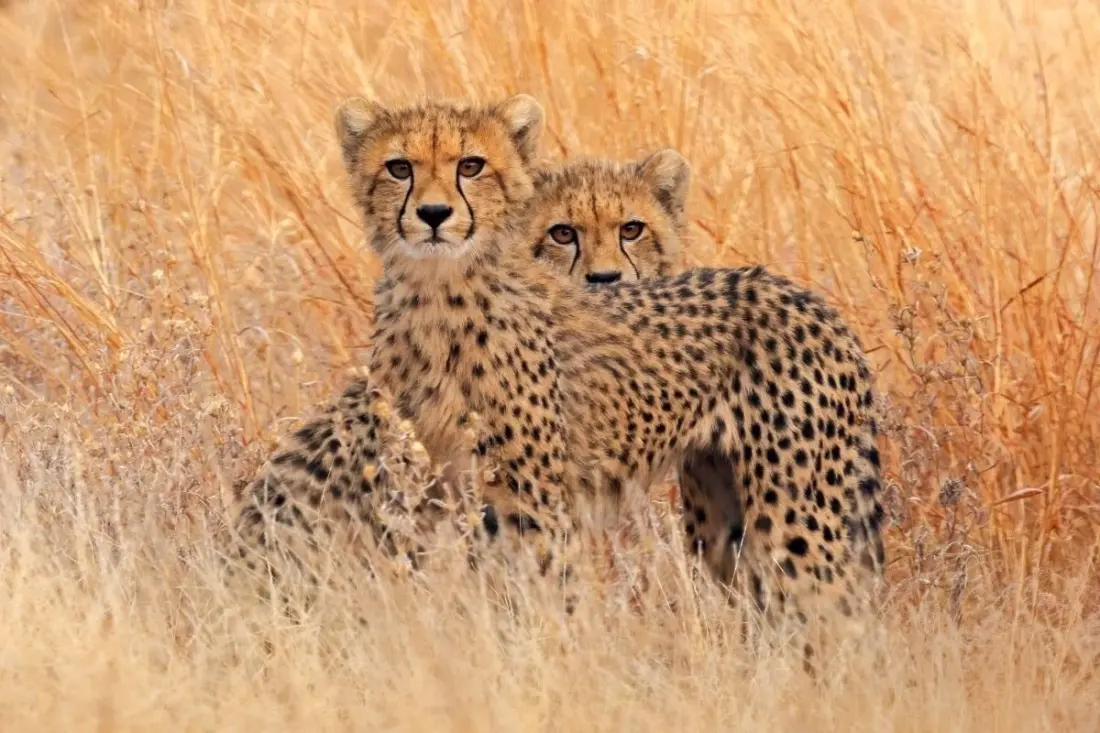
If lions are the priority, head for Satara in central Kruger. It's surrounded by open grassland and savanna that support big herds of zebra, wildebeest and impala — a permanent buffet for predators. Cheetah and leopard also pass through.
For an all-rounder, Lower Sabie is hard to beat. The camp overlooks the Sabie River, which pulls in elephants, hippos, crocodiles, buffalo and antelope, while the surrounding roads are reliable for cats. Nearby Skukuza — the park's largest camp and the easiest base for first-timers — sits on the same river and offers the best odds of a full Big Five set, plus a big self-drive road network.
Elephant fans should aim for Letaba or Olifants, both on major rivers that draw large numbers of pachyderms. Olifants also has one of the park's best settings, perched on high ground above the Olifants River, so even a quiet game day comes with a view. Hippos and crocs are regulars at both.
Rhinoceros seekers should try Berg-en-Dal in the southwest, where granite koppies and mixed bush suit both black and white rhino, with elephant and buffalo often nearby.
And if you'd rather avoid the crowds, go north. Punda Maria is one of the quieter and cheaper camps, with different vegetation, good general game and some of Kruger's best birding. Talamati, a small camp overlooking a waterhole, trades extensive facilities for the simple pleasure of watching animals come to drink from camp.
The practical takeaway: match camp to species, and if you can't decide, the southern corridor between Skukuza and Lower Sabie gives you the broadest mix of wildlife and the best road access. Booking matters too — Kruger's camps fill up months ahead in peak season, especially the popular river-side units.