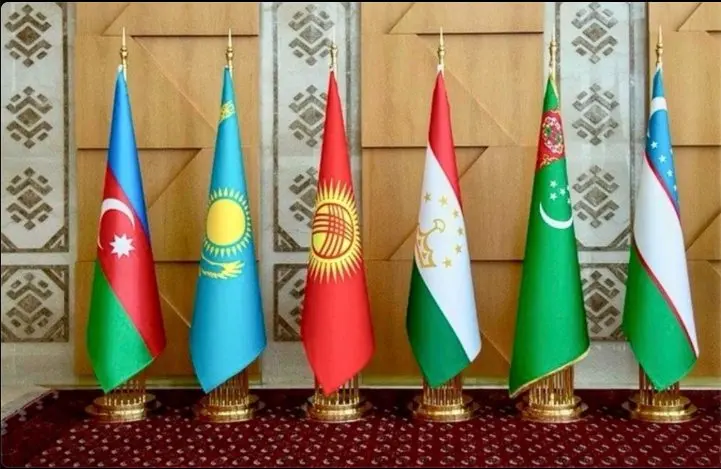
Central Asia's loose-knit club of five nations just gained a sixth member: Azerbaijan. The expanded "C6" format took a step forward at a summit in Avaza, Turkmenistan, and analysts from across the region gathered online on Oct. 15 to debate what it actually means. Their short answer: real potential, but only if the diplomacy turns into roads, rails and paperwork that work.
Why should a traveller care about a trade summit? Because the most concrete piece of it is the Middle Corridor — the overland route that links Central Asia through the Caspian Sea and the South Caucasus to Europe. Azerbaijan's formal place at the table gives that route political backing from both shores. Experts expect better-coordinated ports, railways and customs, which in theory means fewer multi-day waits at borders for anyone riding trains or driving the historic Silk Road corridor between Tashkent, Baku and beyond.
The numbers back up the momentum. Trade between Azerbaijan and the five Central Asian republics has jumped roughly 50%, according to Farid Shafiyev of Azerbaijan's Centre of Analysis of International Relations. Some 400 companies with Kazakh and Uzbek capital already operate in Azerbaijan, and joint investment funds now exist with both Kazakhstan and Uzbekistan. Uzbekistan has even floated a "Six Countries, One Product" scheme for shared manufacturing — the kind of economic glue that, historically, is what turns a region into a place people travel through rather than around.
There's a digital angle too. Kazakhstan's Zhandos Shaimardanov proposed a pilot system letting shippers submit cargo data once and share it with every customs office, railway operator and port along the way. If something similar trickles down to passenger and visa procedures — no promise yet — border crossings on the corridor could get noticeably less painful.
Not everything on the agenda is about movement of goods. Water and energy security featured heavily, with Tajik analyst Zuhra Halimova pointing to melting glaciers squeezing hydropower and agriculture across both Central Asia and the Caucasus. Coordination there may matter more to the region's long-term stability than any trade deal.
For now, treat the C6 as a watch-this-space story. The experts themselves were clear that summits and statements are cheap; the test is whether the six governments align priorities and fund actual projects. But if you've been eyeing an overland trip along the old Silk Road — Almaty to Tashkent, across the Caspian by ferry to Baku, then on towards Georgia and Türkiye — the political weather is trending in your favour. The corridor is getting more investment, more attention and, eventually, smoother edges. Early travellers get the empty seats; everyone else gets the infrastructure.