Kazakhstan has never lacked headline attractions — Charyn Canyon, the Altai mountains, Silk Road monuments — but getting to them has often been the hard part. That's starting to change. A wave of transport investment plus a growing route network is quietly reshaping how practical a trip to the world's ninth-largest country actually is.
The numbers back up the momentum. Official statistics count 15.7 million foreign citizens entering in 2025, of whom 11.1 million stayed overnight. India, China, Europe, South Korea, the US and the Gulf are among the fastest-growing source markets. In the World Economic Forum's Travel & Tourism Development Index for 2026, Kazakhstan ranks 56th of 110 economies, scoring 4.089 out of 7 — up 1.6% on the last edition, even as other countries improved faster and pushed it down from 52nd. Standout gains came in tourist services and infrastructure (up 22.7%), air transport infrastructure (up 10.3%) and ICT readiness. It also ranks 2nd in the world for price competitiveness, which matters if you're watching costs.
On the ground, the most striking project is in the east: a 13-kilometre high-altitude stretch of the road towards Katon-Karagay and the Altai, once a rough two-hour ordeal, is now a paved two-lane road that takes 20 minutes. Three new airports are under construction — Katon-Karagay and Zaysan in the east, Kenderli on the Caspian coast in Mangystau — with completion targeted for 2026. Existing hubs are being upgraded too, including second runways at Astana and Shymkent and a rebuilt domestic terminal at Almaty.
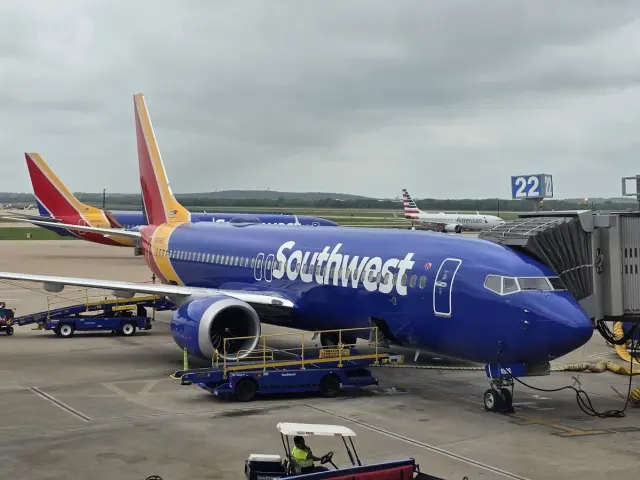
In the air, Kazakhstan now connects with over 30 countries across 161 routes and roughly 900 weekly flights. Passenger traffic between January and August 2026 hit 11 million, up 3.8% year on year. The headline route for travellers is Air Astana's new Almaty–Tokyo Narita service, launching 30 November 2026 with two flights a week. Direct links to the United States are being explored for 2027, pending approvals, and China routes keep expanding.
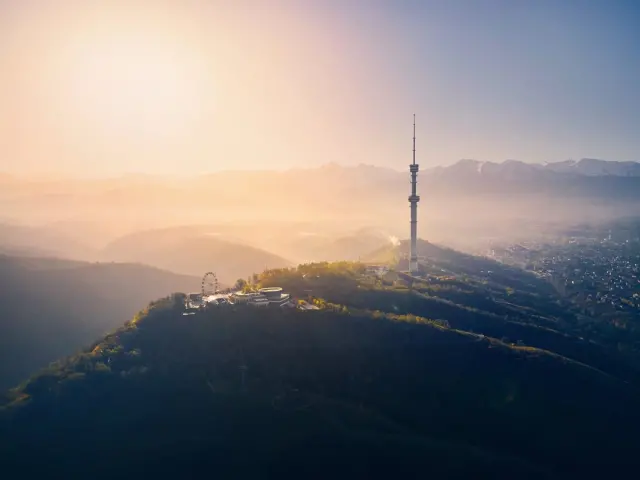
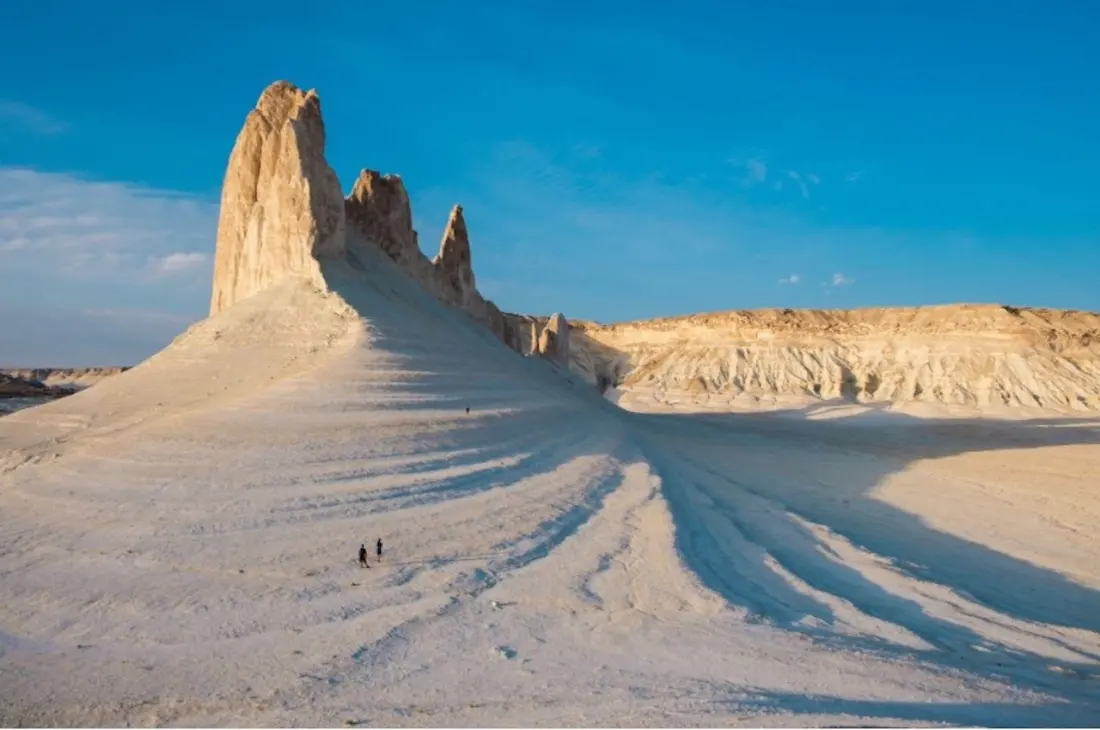
So where does all this take you? Almaty pairs a solid food and city scene with mountain escapes like the Kolsai Lakes and Ile-Alatau National Park. Astana caters to business and events but works for a short culture break. Mangystau's lunar desert landscapes — Bozzhyra, the Tuzbair Plateau — got a major boost when the region's Rock Mosques and Associated Sacred Sites, five complexes including Beket-Ata and Shakpak-Ata, joined the UNESCO World Heritage List in 2026. Turkistan remains the Silk Road anchor thanks to the Yasawi Mausoleum, and East Kazakhstan's Katon-Karagay National Park and Lake Markakol are the pick for hiking and slow travel.
For anyone who has had Kazakhstan on the long-list but balked at the logistics, 2026–27 is the window when access improves faster than crowds arrive. The caveat: new airports only matter once airlines commit to routes, so itineraries still need realistic ground-transport planning between destinations.