Costa Rica runs on imported fuel — every litre of diesel and petrol in the country arrives by ship — and most of it comes from the United States. Now a proposal floated in Washington threatens to disrupt that supply just as prices at the pump are set to climb again.
Speaking to reporters at the UN General Assembly in New York, President Donald Trump said he supports the idea of banning US diesel exports, promising a decision would come "fast, one way or the other." The White House is split on the idea: Treasury Secretary Scott Bessent says the administration is studying feasibility, while Energy Secretary Chris Wright has called a ban a "blunt tool" that wouldn't work and could raise petrol and jet fuel prices too. Interior Secretary Doug Burgum has also pushed back.
The stakes for Costa Rica are easy to quantify. US data show 8.69 million barrels of distillate fuels shipped there in 2025, and a single June 2025 cargo of more than 254,000 barrels loaded in Texas cost over $21 million delivered. The state refiner RECOPE buys all of the country's fuel, and regulators at Aresep set pump prices monthly based on those actual import costs — so any global spike from a US ban would land on Costa Rican forecourts within weeks.
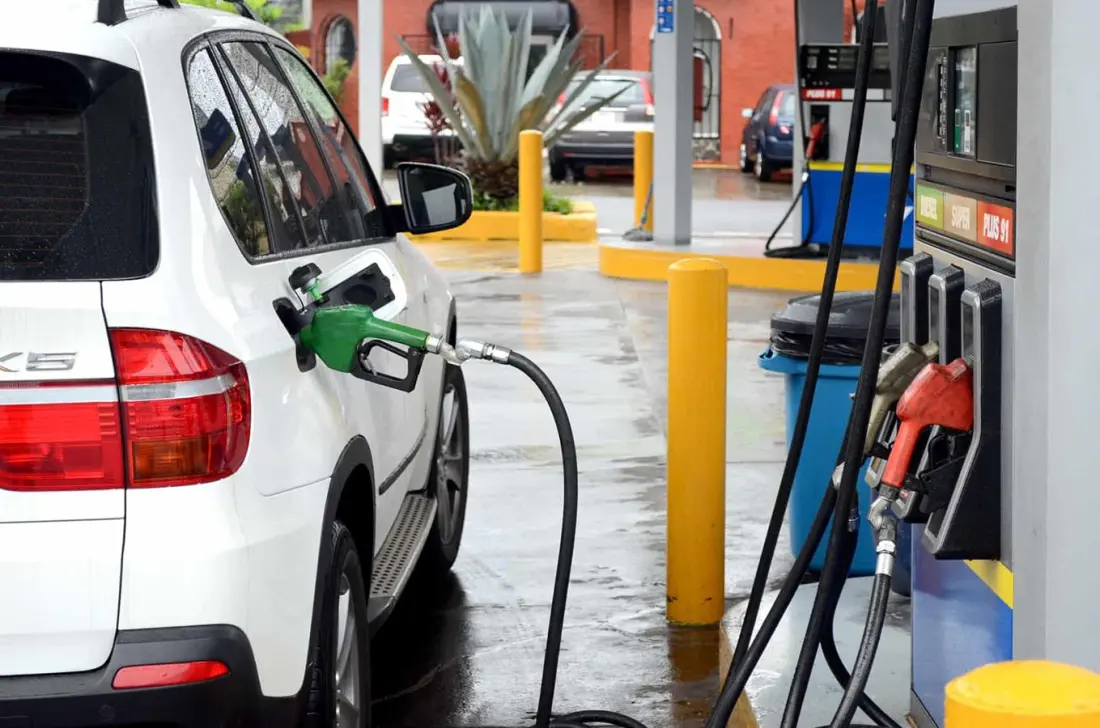
Prices are already moving. RECOPE's proposal under review would lift diesel from ₡688 to ₡788 per litre in October — roughly $6.63 per gallon, slightly above the record US average of $6.53. Super gasoline would rise ₡38 to ₡764 and regular ₡11 to ₡718. RECOPE blames Middle East tensions and international market conditions; world diesel prices hit records in September after supply disruptions from Russia and the Middle East, and US diesel inventories are running about 15% below the five-year average.
Why should travellers care? Because diesel moves Costa Rica's buses, cargo trucks and everything else, fuel hikes filter into fares, food prices and tour costs. Rental car and shuttle users feel it directly at the pump. There's already a tourism angle: the Costa Rican Tourism Institute attributed a 1.2% drop in air arrivals in June partly to pricier jet fuel. Fuel is priced uniformly nationwide and set by the regulator, so there's no cheaper station across town — but Costa Rica remains easy to explore without a car, thanks to an extensive public bus network covering most of the country for a few dollars a ride.
Nothing has been decided in Washington, and Aresep's final October ruling comes after public consultation closes on 29 September. For now, it's a story to watch rather than panic about — but if you're planning a self-drive trip through Costa Rica in the coming months, budget a little extra for fuel.