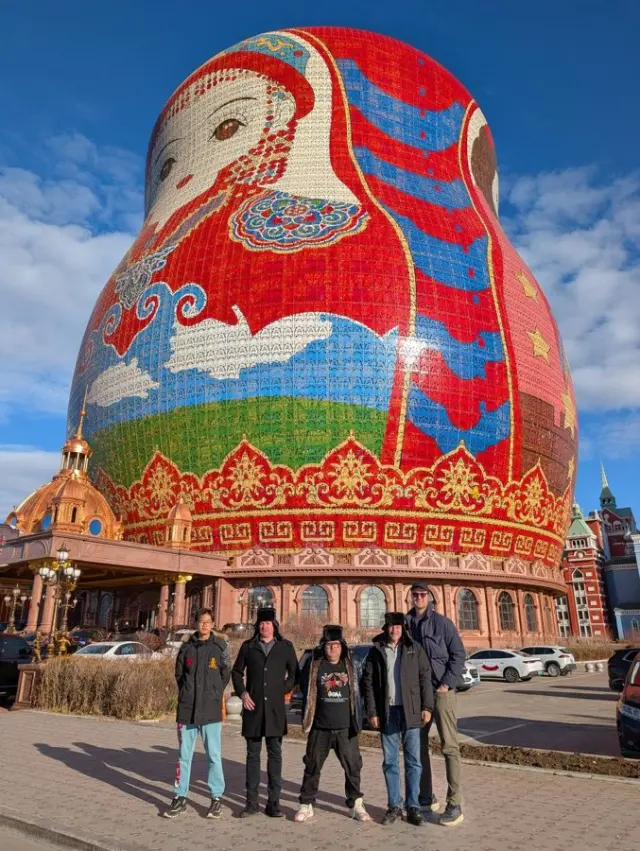
Beiji Village — Arctic Village — sits on the southern bank of the Heilongjiang River in far northern Heilongjiang Province, with Russia just across the water. It's the northernmost settlement in China, roughly 77 km from Mohe city, and it has built an entire identity around that fact. Winters are ferocious, the forests go on forever, and on a lucky night the aurora makes an appearance. What visitors find today, though, is less remote hamlet and more purpose-built tourist town.
The place has a real history underneath the polish. It began as Mohe Village, then boomed in the late 1880s when Qing official Li Jinyong set up gold mining in the region, drawing settlers and supplies to a previously bleak frontier. Forestry and border administration followed, thanks to the riverside position. Tourism kicked off in the 1990s with the rebrand to Arctic Village, and in 2015 the site received China's top AAAAA rating — the moment, some argue, it fully turned into a tourist toy town. Around 1,800–1,900 people live here officially, though many are Han Chinese working in guesthouses and shops rather than generational locals.
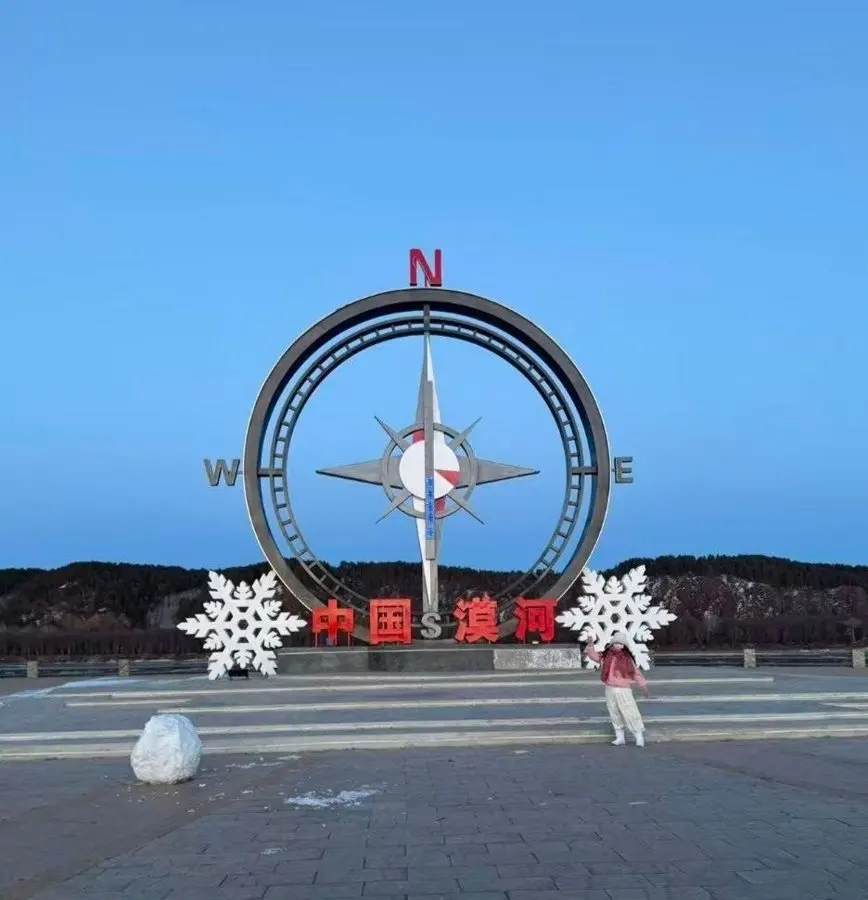
So what do you actually do? The headline draws are the northernmost point marker on the riverbank, aurora hunting (possible but never guaranteed — Mohe is China's best-known spot for it), and the Arctic Christmas Village, a festive complex with Santa, decorations and reindeer, best in snow. Reindeer connected to the region's Ewenki heritage can be seen up close at some attractions. Around the June summer solstice, daylight stretches so long the sky barely darkens. Winter brings ice sculptures, sledding and snowmobiling, plus that frozen river with Russia on the far shore.
Food-wise it's hearty Northeastern Chinese cooking — stews and river fish — with blueberry products and blueberry wine as regional specialities. Accommodation leans towards rustic wooden-cabin guesthouses, though the writer's honest take is to visit for the day and sleep in Mohe town instead, where restaurants are cheaper and there's (exactly one) bar.
Getting there is straightforward but slow. Mohe is your only gateway, reachable by limited trains or flights from Harbin and Beijing. From Mohe it's a 1–1.5 hour drive: taxis run about ¥100–150 one way, a pre-booked return car ¥200–250 depending on your bargaining. Entry to the scenic area itself is ¥88.
Should you bother? If you've made it all the way to Mohe, yes — the village is kitschy, slightly overpriced and even has a Lukin Coffee where a village this remote arguably shouldn't, but it's still a genuinely fun day at China's northern extremity. Go knowing it's a theme-park version of a frontier village, budget accordingly, and keep one eye on the night sky.