A writer at Outside Online recently described an experience many active travellers will recognise: a lifetime of sports, training and goal-chasing, and a stubborn inability to slow down. After two torn ACLs and a hard-earned admission that her body needed pre-season conditioning, she signed up for a five-week winter program at a studio in Salt Lake City — and, almost by accident, wandered into a restorative yoga class that changed her mind about yoga entirely.
Her history with the practice was checkered, to put it mildly. An introductory hot yoga package in Los Angeles after college ended with a migraine, an emergency roadside nap near Santa Monica, and 14 hours of sleep. She concluded yoga wasn't for her. Then came "Roll + Restore," a Sunday evening class promising gentle movement, myofascial release, deep stretching and — the detail that hooked her — extended rest. She overlooked one thing when booking: it ran 75 minutes, not the usual hour.
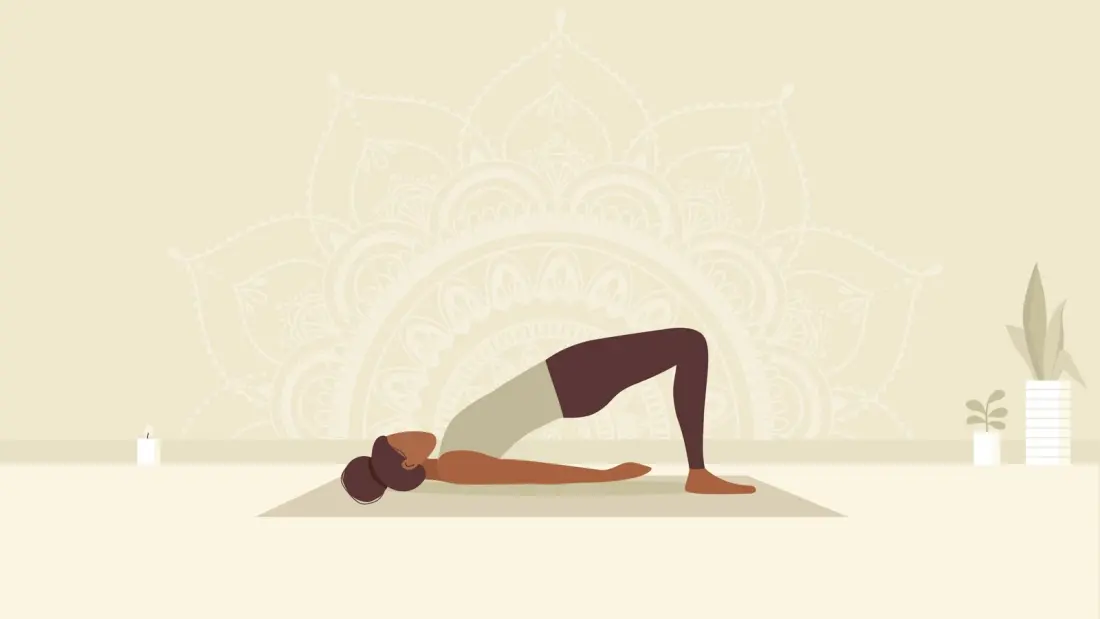
What happened next is the interesting part. Within the first few breaths, lying flat on her mat, she started quietly crying. Not from sadness — nothing was wrong. Within minutes the class settled into something closer to a therapeutic massage than exercise: mostly lying down or sitting, working tight hips and connective tissue with blocks, straps and lacrosse balls, drifting in and out of savasana, the resting pose usually saved for the end of a session. Heart rate barely raised, no sweating, no performance to worry about, while the sun set over the Wasatch Mountains.
The crying, it turns out, is a documented phenomenon. As Yoga Journal has reported, emotional release during yoga isn't unusual and doesn't necessarily signal sadness. The link between slow breathing, physical relaxation and unexpected tears isn't fully understood, but slowing the body down can surface feelings — or simply the strangeness of stopping. For someone used to reps, miles and paces, 75 minutes with nothing to achieve felt foreign at first, then genuinely restorative. She signed up for four more weeks before bed that night.
Why should a traveller care? Because this is the mode most of us never switch on. Holidays often become another performance: summit the hike, hit the sights, maximise the itinerary. Restorative yoga — now on schedules at studios and resorts almost everywhere — is the low-stakes counterpoint. It requires no fitness, no flexibility and no prior experience; if you can lie on a mat with a lacrosse ball under your hip, you're qualified. For anyone whose trips revolve around skiing, hiking or biking, a gentle recovery class can be the difference between limping through day three and actually enjoying the week.
The takeaway from this story isn't that everyone should cry on a yoga mat (though don't be alarmed if you do). It's that rest is a skill, and a slow, unglamorous class built entirely around it might be the most valuable 75 minutes you add to a trip — or to the weeks before one.
Story via Outside Online.