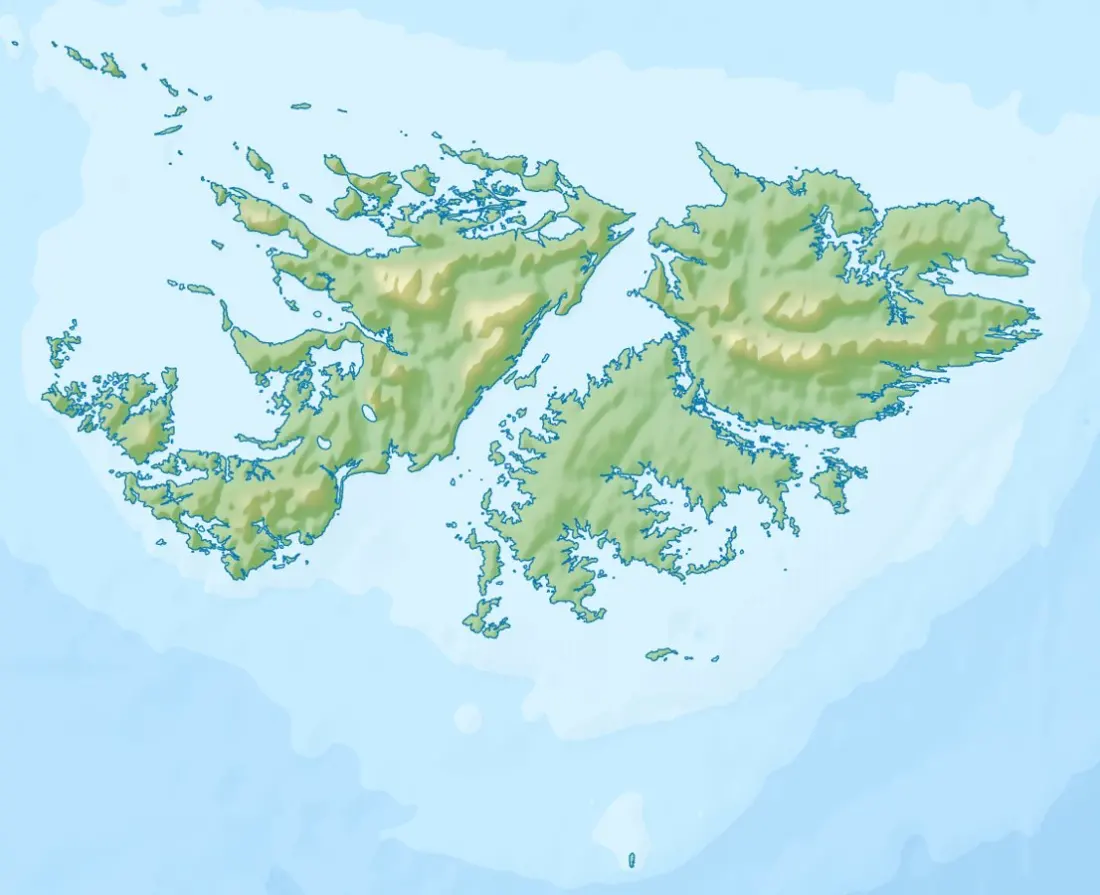
Argentina has filed a case against the United Kingdom at the International Tribunal for the Law of the Sea in Hamburg, aiming to block an offshore oil project near the disputed Malvinas/Falkland Islands before drilling begins in January 2027. President Javier Milei authorised the complaint on October 13, after an ultimatum to London expired, and the tribunal is expected to rule in December.
The dispute centres on Sea Lion, a multimillion-dollar offshore field located about 220 kilometres from the islands and 400 kilometres from Argentina's Santa Cruz province. Rockhopper Exploration discovered the field in 2010, and the islands' British administration approved extraction in late 2025 with UK government backing. Israel's Navitas Petroleum leads the venture with a 65% stake.
Argentina is not asking the court to settle who owns the continental shelf — it acknowledges that question is beyond the tribunal's remit. Instead, it wants a precautionary measure to prevent resource extraction while the sovereignty dispute remains unresolved. The filing leans on UN General Assembly Resolution 31/49 from 1976, which urged both sides to avoid unilateral measures during the decolonization process, and Resolution 2065 from 1965, which frames the islands as a special decolonization case requiring a negotiated solution that considers the islanders' interests.
International law professor Marcelo Kohen called the move historic, noting it is the first time Argentina has sued the UK over its activities on the islands — the only prior precedent being a rejected arbitration proposal from 1884. The broader dispute stretches back to 1833, when British forces expelled Argentine authorities from the territory, and flared into the 1982 war, which UN Resolution 37/9 confirmed did not change the nature of the disagreement.
Reactions have been sharp. Milei accused the UN of inaction on the question at this year's General Assembly, while UK minister Uma Kumaran told the House of Commons that Argentina was applying "economic coercion" against islanders and promised full British support. London has also announced measures to protect companies hit by the Argentine sanctions Milei introduced in August against firms exploiting the islands' resources.
For travellers, the Falklands remain a remote, peaceful and English-speaking South Atlantic outpost — penguin colonies, wreck diving and battlefield sites draw a small but devoted stream of visitors — but this legal fight is a reminder that the archipelago's politics are still very much alive. Access is typically via a long-haul military air link from RAF Brize Norton in the UK or occasional flights from Punta Arenas, Chile, and visitors should be aware that Argentine regulations restrict some direct access routes from the mainland. Anyone planning a trip in the next couple of years should watch the December tribunal ruling and follow-on diplomatic manoeuvres, which could affect flights, permits and the broader atmosphere around the islands.