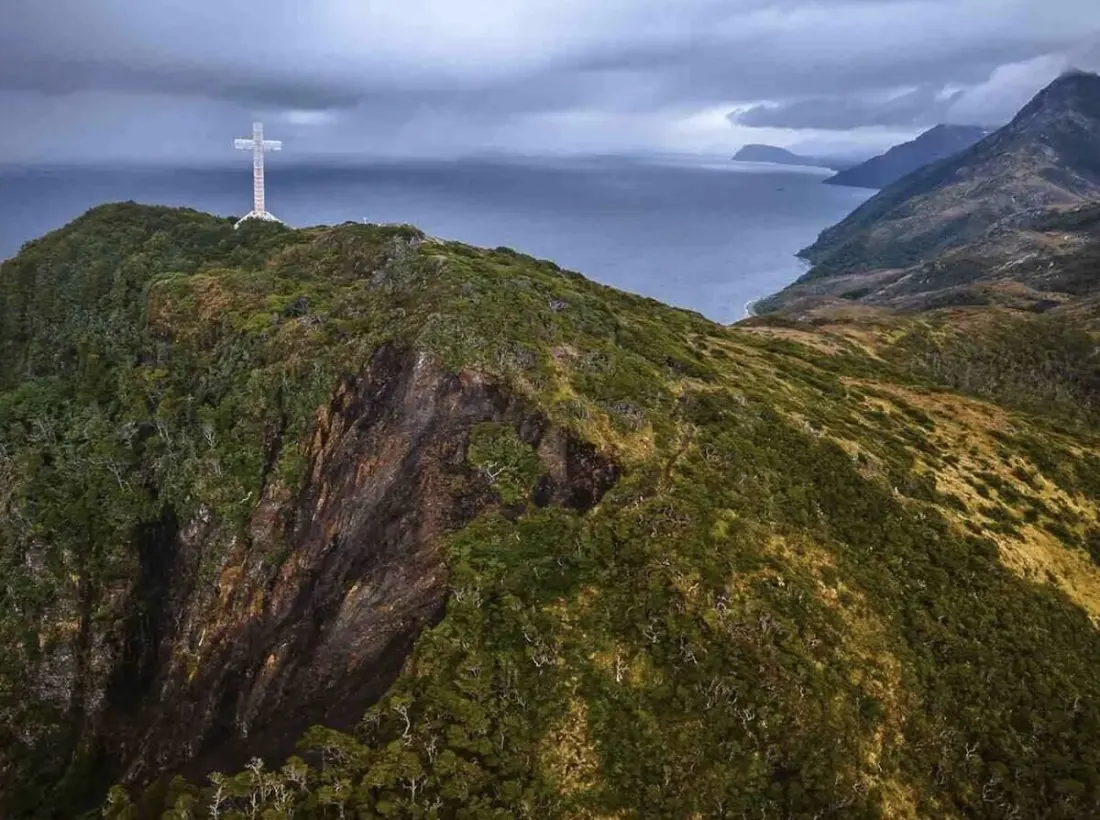
If you've ticked off the W Trek in Torres del Paine and you're hungry for a wilder corner of Patagonia, Chile is about to hand you one. Cape Froward National Park (Parque Nacional Cabo Froward) is set to be established in 2027 at the southernmost tip of mainland South America, roughly 40 miles south of Punta Arenas.
The park has just grown considerably. In early November 2026, the conservation nonprofit Rewilding Chile signed an agreement with the Chilean government to donate an extra 55,186 acres of land to the project. That pushes the park's total area to around 452,000 acres — about 50 percent larger than when the park was first announced in March 2024. For a sense of scale, that's close to double the size of Mount Rainier National Park in Washington State.
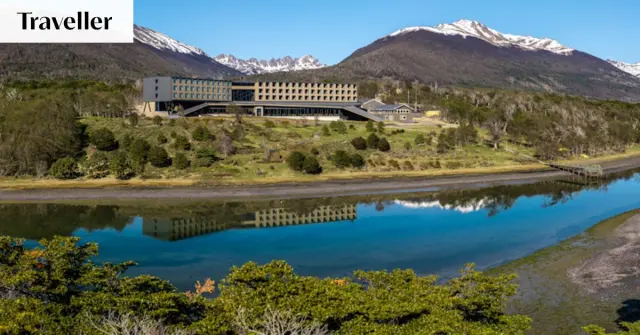
Cape Froward itself is a windswept headland where the continent runs out. The name comes from the area's notorious rough weather, and the surrounding landscapes of sub-Antarctic forest, coastline, and mountains have so far seen very little foot traffic compared with the established hiking corridors further north. The park is part of a broader push in Chile to protect large swaths of Patagonia, with Rewilding Chile — the organisation behind much of the conservation work in the region — playing a central role in assembling and donating land.
For travellers, this means a genuinely new frontier opening up in a region most people think they already know. Torres del Paine and the Carretera Austral get busy; the far south around Punta Arenas and the Strait of Magellan remains one of the least crowded parts of the continent. Expect the infrastructure picture to develop between now and 2027 — trail networks, access points, and visitor facilities will likely be phased in as the park formally opens, so early visits may favour self-sufficient travellers over those wanting a polished trekking experience.
The practical angle: anyone planning a Patagonia trip for late 2027 or beyond should keep Cape Froward on the radar, especially hikers who have already done the classic routes and want something remote. It pairs naturally with Punta Arenas, which serves as the region's hub and has flights from Santiago, plus nearby draws like the penguin colonies at Magdalena Island and day trips toward Tierra del Fuego.
Who it's for: repeat Patagonia visitors, wilderness hikers, and anyone who'd rather see the end of the continent before the crowds work out how to get there.
Story via Matador Network