Colombia just wrapped one of its leanest coffee years in recent memory. Between October 2025 and September 2026, the country produced 12.65 million 60-kilo bags, a 15% drop from the 14.87 million bags of the previous cycle, according to Germán Bahamón, head of the National Federation of Coffee Growers. Exports fell too, down 12% to 11.78 million bags over the year — though September itself offered a bright spot, with production up 6% and shipments up 9% year-on-year.
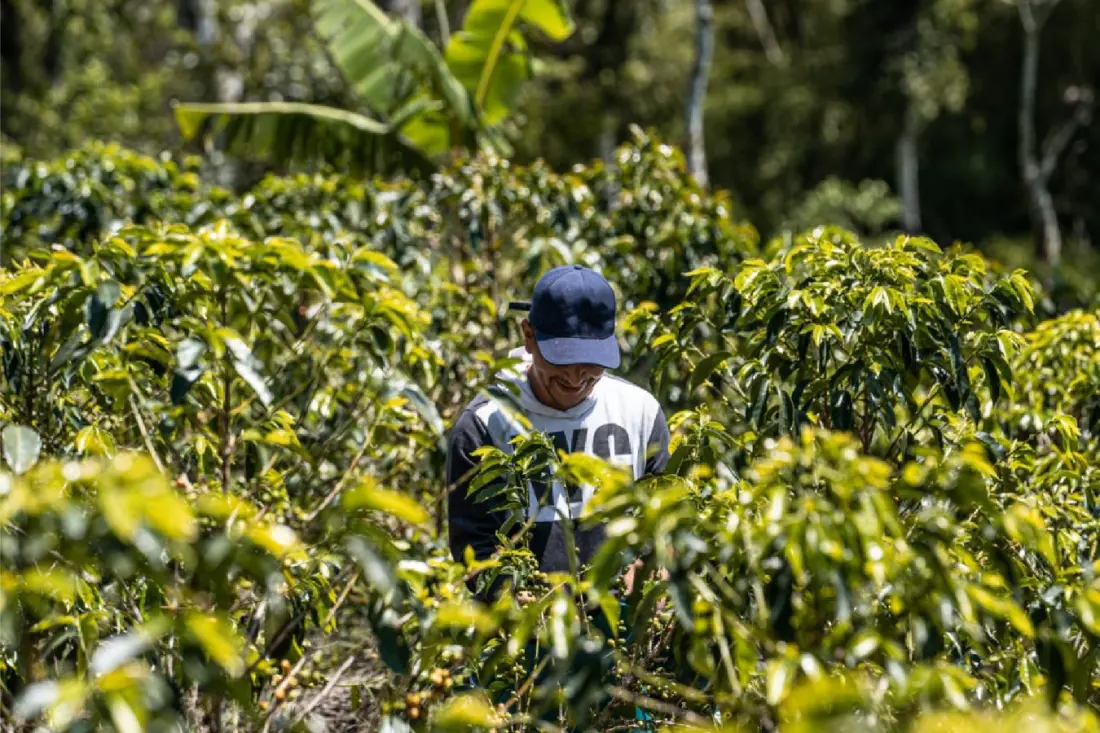
The decline matters for the 560,000 Colombian families who live off coffee, farming around 842,000 hectares across 23 of the country's 32 departments. The federation points to climate pressures, plantation productivity and grower profitability as the deciding factors in whether Colombia can keep supplying a hungry international market. It also matters commercially: in the first half of 2025 alone, green coffee exports were worth US$2.683 billion, an 83% jump on the previous year, driven largely by high global prices.
Despite the dip, Colombia holds firm as the world's third-largest coffee producer behind Brazil and Vietnam, and remains the number one source of mild Arabica — the smooth, premium bean most specialty cafés and coffee-tour experiences are built around. The United States still buys the most (38% of exports), followed by Germany and Canada at 8% each, with Belgium, Japan, South Korea and a fast-growing China rounding out the list.
There's a human story here too. Shortly before these figures landed, nearly 200,000 coffee growers — 57% of the electoral roll — voted in the 2026 federation elections, choosing 4,848 representatives across 601 municipalities in 21 departments.
For travellers, none of this should put you off a coffee-region trip. If anything, visiting is a way to see the challenge up close and support growers directly. The Zona Cafetera — the departments of Caldas, Risaralda and Quindío, anchored by cities like Manizales, Pereira and Armenia — remains one of South America's most rewarding regions: verdant hillsides, family-run fincas where you can pick cherries and watch the washing and roasting process, and towns like Salento and Filandia that have turned coffee culture into an art form. And because Colombian beans command premium prices globally, expect café culture in Bogotá and Medellín to stay excellent regardless of the export numbers.