The Algarve is known for beaches and golf, but it also happens to be one of the best places in the world to read the story of life on Earth from rock. On Tuesday, October 6, the Algarve Archaeological Association (AAA) restarts its lecture series with two talks, delivered in English, by palaeontologist Prof. Octávio Mateus. The first runs at 2.30pm at the Museu do Traje in São Brás de Alportel; the second at 6pm at the Convento de São José in Lagoa.
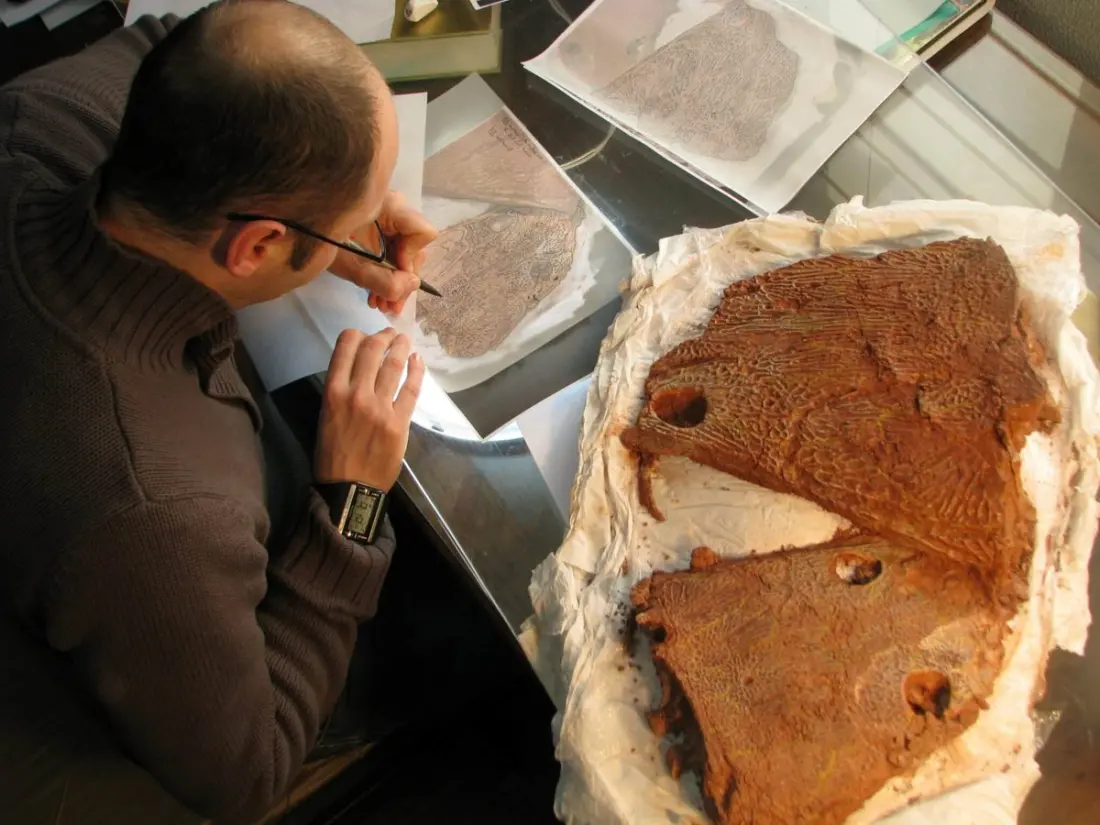
Mateus's subject is the Algarve of more than 200 million years ago, when the region sat within the supercontinent of Pangea. The fossils found in its narrow band of red Triassic sandstone tell a strange story: Metoposaurus algarvensis, a giant salamander-like amphibian; the crocodile-like phytosaur; and Henodus, a turtle-like creature. When Pangea broke apart, volcanic eruptions are thought to have triggered a mass extinction — one of the turning points that shaped the continents we know today.
Portugal ranks in the global top ten for prehistoric remains, and the Loulé area holds a genuine record. Fossils similar to the Algarve's Metoposaurus have turned up in Germany and Poland, but near Loulé, remains of nine individuals were found within just three square metres — the densest concentration anywhere. One specimen is on display at Loulé Museum, an easy side trip for anyone curious.
That remarkable geology is part of why the Geoparque Algarvensis earned UNESCO Global Geopark status, giving the region a second natural credential alongside its coastline. For Mateus, the Triassic is a long-term project: he has researched it in the Algarve for over two decades, while his day job as an associate professor at Universidade NOVA de Lisboa — and fieldwork in the Gobi Desert, Angola, Greenland, Chile and the United States — has made him one of Portugal's most prominent fossil hunters. He grew up around the subject; his father ran the dinosaur museum in Lourinhã, a town on Portugal's Atlantic coast famous for its dinosaur eggs and nests.
The talks are open to everyone, not just members. Non-members pay a €5 admission fee, and the money raised funds archaeological grants and future speakers for the association. The AAA recommends checking its website or Facebook page before setting off, in case of last-minute changes.
For travellers, this is a nice reminder that the Algarve rewards curiosity beyond the sand. A morning on a fossil-hunting trail in the Algarvensis geopark, an afternoon at Loulé Museum and an evening lecture in Lagoa add up to a very different kind of southern Portugal trip — one where the region's oldest residents, the ones with tails and armour plating, get the attention for a change.