Dreaming of having a plane on call but wincing at the price tag? New cost analysis of the US general aviation market shows that how you access an aircraft matters far more than which one you pick — and the maths shifts dramatically depending on how many hours you actually fly.
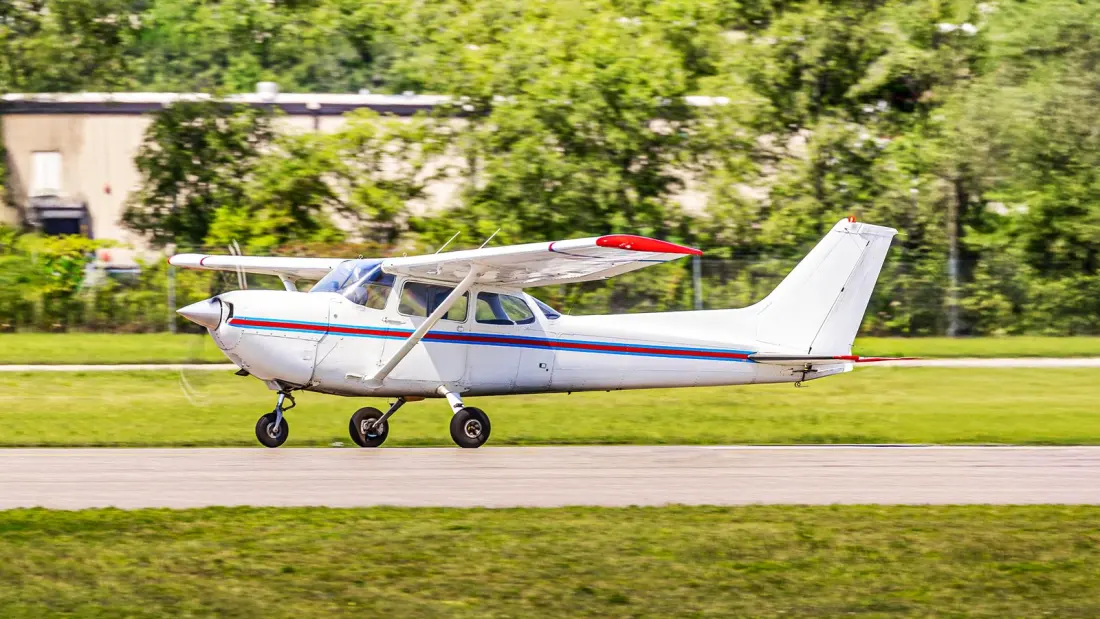
Take a typical $100,000 Cessna 172. Fixed costs — hangarage, insurance, annual inspections, engine overhaul escrow — run to roughly $16,000 a year before you've turned a propeller. Add around $100 for every hour the engine runs, and a pilot flying just 25 hours a year faces an effective cost of about $900 per hour. Fly 100 hours and that figure drops to $300. The lesson: an aeroplane sitting still still costs a fortune.
That's where shared models come in. Flying clubs spread fixed costs across dozens of members through monthly dues plus hourly rates — typically $80 to $140 per hour for a Cessna 172, well below flight-school rentals. Under FAA Part 91 rules they're non-profit, members-only organisations, so they can't sell flights to the public. Equity clubs require buy-ins of $5,000 to $30,000 plus dues of $100 to $300 a month; non-equity clubs cap initiation fees around $2,000 but charge higher monthly dues, with no assets to sell and minimal notice to leave.
Prices vary wildly between clubs. A survey of US clubs found the Hokie Flying Club at Virginia Tech's Montgomery Executive Airport offering a wet rate of $94.39 per tach hour with just $600 in annual dues, while the TSS Flying Club in Gaithersburg, Maryland charges $175 per tach hour and $2,160 a year — for similar Cessna 172s. Fleet age, avionics and billing method explain much of the gap. Note that many clubs bill by tachometer time rather than the Hobbs clock meter used by flight schools; tach time runs slower during taxi, effectively giving up to 20% more flying per dollar.
For pilots logging 50 to 100 hours a year, a four-way equity partnership often beats club membership. Splitting a $100,000 aircraft four ways means a $25,000 buy-in, but true operating cost can fall to around $200 per hour at 50 hours each annually. Break-even against a club depends entirely on local pricing: as few as 38 hours a year versus an expensive club like TSS, but 99 hours against the FAA Flying Club — and 264 hours if you factor in the tach-meter advantage. Partners also need to fund maintenance escrow of $15 to $25 per engine hour, since an engine overhaul can cost $25,000 to $40,000.
Who should care? Licensed pilots and aviation enthusiasts weighing their first step into aircraft access, rather than holidaymakers booking a seat. The rule of thumb from the analysis: under 50 hours a year, join a non-equity club; 50 to 100 hours, weigh a partnership; sole ownership only makes sense for very high-usage flyers. And in every case, shop locally — club choice can double or halve your real hourly cost.