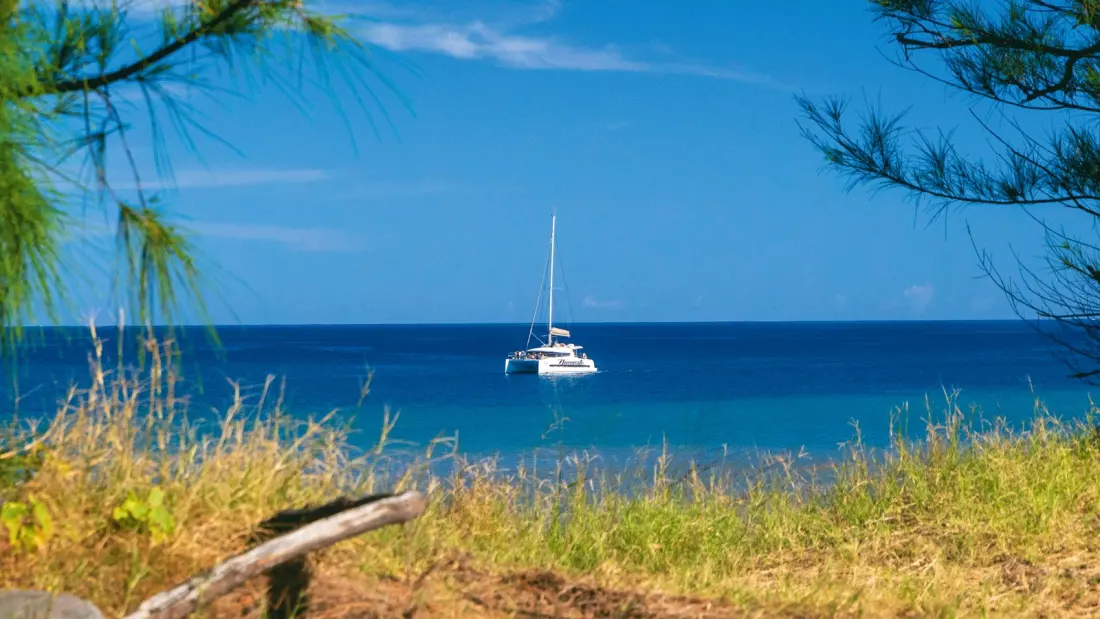
A French island in the middle of the Indian Ocean might sound unlikely, but Réunion is exactly that — a volcanic outpost governed from Paris, sitting at 21° South with a 3,070m peak, over 900,000 residents and more than 40% of its land protected as UNESCO World Heritage. It's only six times the size of the Isle of Wight, yet it packs in active volcanoes, lava tubes, rainforest and resort beaches.
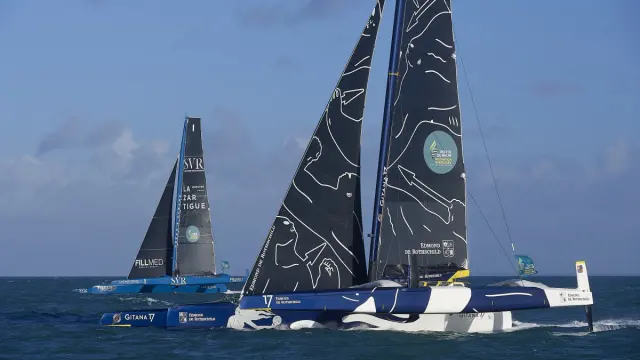
For sailors, the island punches above its weight. It's a scheduled stop on the World ARC and Oyster World Rally, and a vital staging point before one of the toughest passages in circumnavigating: the run to South Africa across the notorious Agulhas current, around 1,370 miles to Richard's Bay. Many crews arrive from Mauritius — a 140-mile overnight sail — and use Le Port's marinas to rest, repair and provision. With roughly 2,000 boats based here and a well-stocked chandlery, getting spares and engineering work done is easier than almost anywhere else in the region, thanks in large part to its French status.
Away from the docks, the island splits in two. The east soaks up four to six metres of rain a year and stays lush and green; parts of the west coast see fewer than 40 rainy days annually and that's where the beaches and hotels cluster. The still-active Piton de la Fournaise in the south-east is one of the world's most active volcanoes — recent eruptions have sent lava flows reaching the sea. Visitors can walk inside lava tubes from the 2004 eruption, plus hike dramatic mountain cirques and sample a culture shaped by settlers from France and Madagascar, later joined by African, Malay, Vietnamese, Chinese and Indian communities. That mix shows in the widely spoken creole and in food culture built on sugar cane, tropical fruit and rum.
A few practicalities matter. Visiting yachts must request entry at least 48 hours ahead and clear in at Port Ouest in Le Port between roughly 0800 and 1500. Mooring is at Darse Titan (boats up to 16m) or the larger Bassin Pere Gueze. Most visiting crews rent a car for their entire stay — there's no direct bus to the marinas and taxis are scarce. The island is more expensive than other Indian Ocean stops, and locals largely speak French rather than English. Seasonality counts too: the dry season runs April to November, and mid-November to April brings cyclone risk, with Storm Garance in February 2025 delivering 125-knot gusts and €380 million of damage.
Whether you arrive by boat or by plane, Réunion rewards travellers who like a bit of everything — world-class hiking, surfing and diving, French-standard infrastructure and a genuinely distinctive Creole identity. Cruisers who've stopped here consistently rate it a highlight, and even those just passing through find it hard to leave.