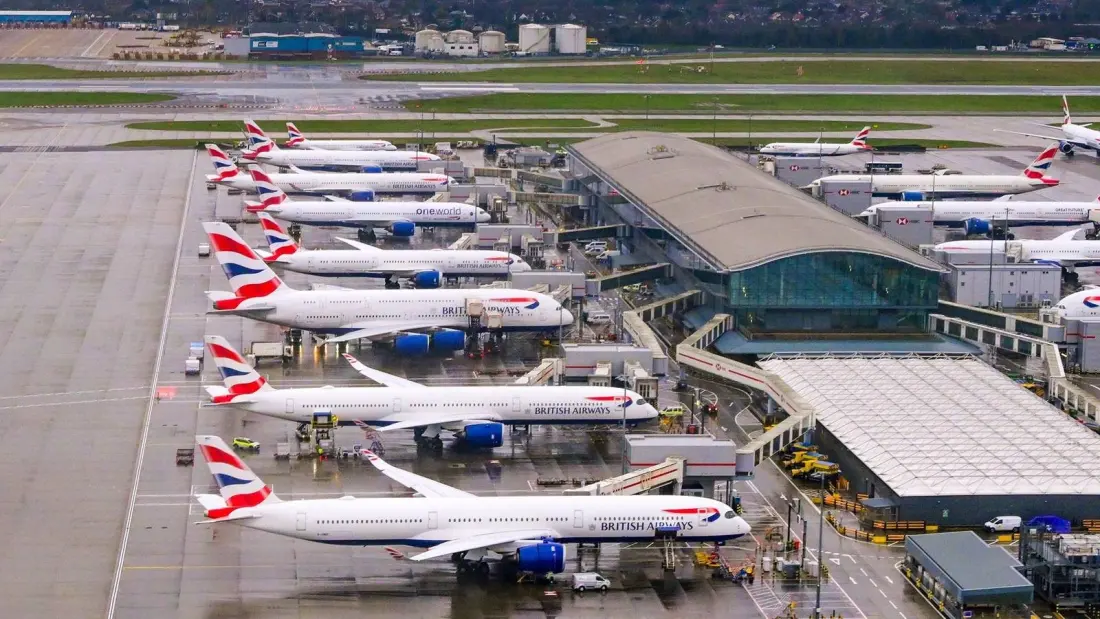
London Heathrow's long-running third runway saga has hit another speed bump. Insiders now say the runway won't open until at least 2039, pushing back the previous 2035 target that was widely seen as unrealistic. Planning permission alone isn't expected until 2039, with the runway opening within a decade of that approval.
The project is eye-wateringly expensive: a £49 billion total expansion, of which £15 billion covers the runway itself — including re-routing the M25, London's orbital motorway — and a further £33 billion for a new terminal. It would be entirely privately financed. The Labour government backed the plan last year as an engine for economic growth, claiming it would create over 100,000 jobs, though environmental campaigners and local residents remain opposed, and political support has wobbled from one PM to the next.
Why does one runway matter so much? Heathrow is Europe's busiest airport, handling more than 80 million passengers a year, and it has run at full capacity for decades with only two runways. Compare that with six at both Amsterdam Schiphol and Paris Charles de Gaulle, and four at Frankfurt. Flights are currently capped at 480,000 a year; a third runway would lift that to 720,000 — nearly 2,000 extra flights every day.
There's still a long road ahead. A draft planning framework was published in June, and a parliamentary vote may not happen until next year. No live planning application exists yet, according to the Department for Transport and the BBC. Even the runway's loudest critics in government have softened slightly, but nobody is pretending the timeline is anything but optimistic.
For travellers, the practical takeaway is simple: don't plan around a bigger, roomier Heathrow any time soon. Expect the airport to stay tightly capacity-constrained through the 2020s and 2030s, which tends to mean higher fares on peak routes, limited slot availability for new airlines and routes, and the same crowded terminals we all know. If you're flying long-haul via London in the next decade or so, nothing about this announcement changes your booking — but it does explain why Heathrow rarely gets cheaper or calmer. Anyone hoping for more competition and direct routes from regional airports as a result of expansion will need patience measured in decades, not years. Travellers sensitive to aviation's climate footprint should also note the environmental opposition isn't going away, and the project still faces plenty of parliamentary and legal hurdles before a single spade hits the ground.
Reported by Simple Flying.