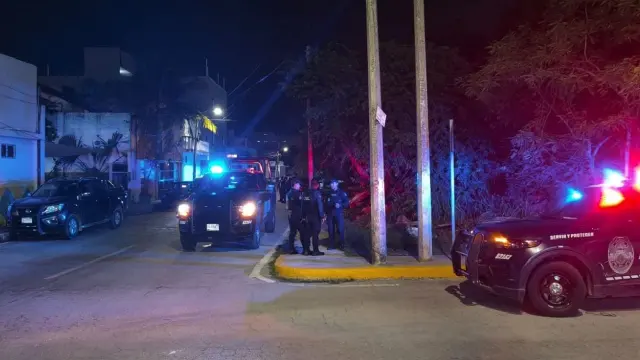
A dark stretch of highway in southern Quintana Roo turned fatal on Wednesday night when a car struck a work tricycle carrying two men, killing one of them. The incident happened on highway 295, roughly two kilometres from the small community of Señor, in the municipality of Felipe Carrillo Puerto — a rural, Maya-majority part of the state far from the beaches of Cancún and Tulum.
Both men on the tricycle were reported to be farmers from the community. One died in the collision; the other survived. According to witnesses, the driver of the car did not stay at the scene. He abandoned his vehicle and jumped into a taxi to get away.
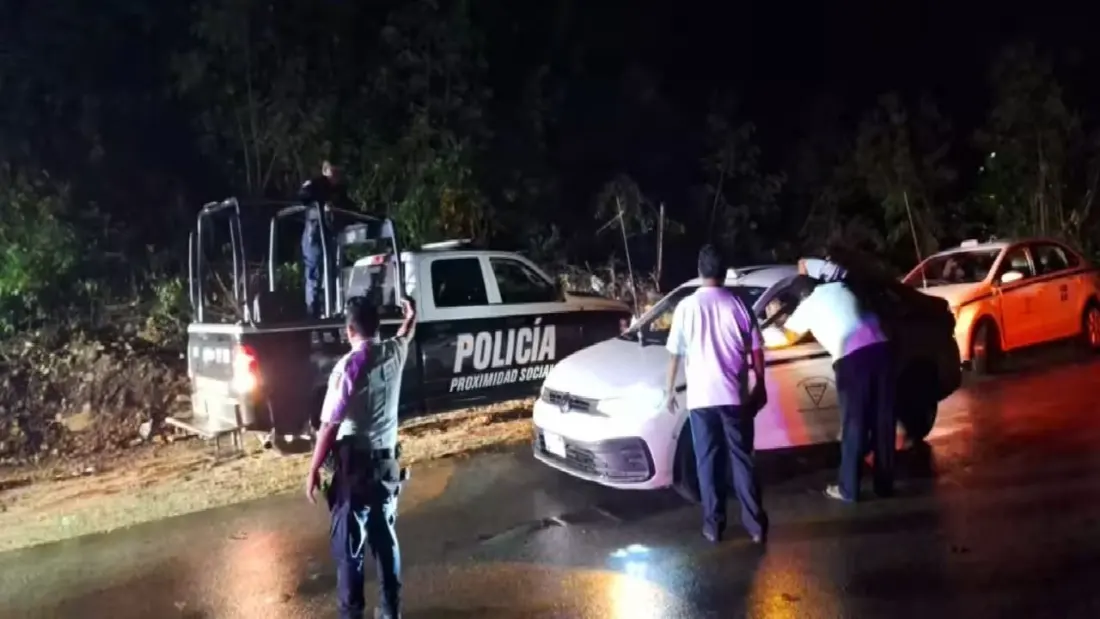
Police from Señor moved quickly. Working on the assumption that the fleeing driver would take a cab, they set up a highway checkpoint and stopped taxis passing through the area. The strategy paid off: the suspect was found inside Felipe Carrillo Puerto taxi number 158 and arrested on the spot. Authorities have not released the names of the driver or the two men involved.
For most travellers this story is unlikely to change any plans — Felipe Carrillo Puerto sits well off the main tourist corridor, and highway 295 is a local route, not the heavily used 307 between Cancún and Tulum. But it does carry two practical lessons for anyone driving in the Yucatán region. First, rural roads here are frequently unlit at night, and slow-moving traffic — from tricycles to bicycles to livestock — shares them with faster vehicles. If you rent a car and drive after dark, slow down and expect the unexpected. Second, hit-and-runs are treated seriously and checkpoints are a routine police tool in the state; if you're ever involved in an accident, stay at the scene and wait for authorities rather than leaving, which can turn an accident into a criminal matter.
The area around Felipe Carrillo Puerto does attract a certain kind of traveller — the Sian Ka'an Biosphere Reserve brushes the municipality, and the town itself is a good base for experiencing Maya culture, language and food away from the resort strip. That said, it's a place where infrastructure is basic, so care on the roads matters even more than in the tourist zones.
This report came from Riviera Maya News.