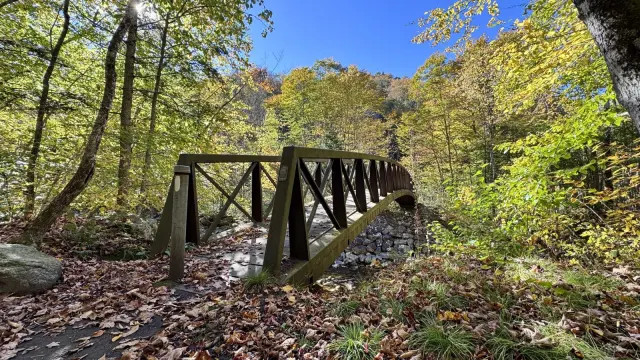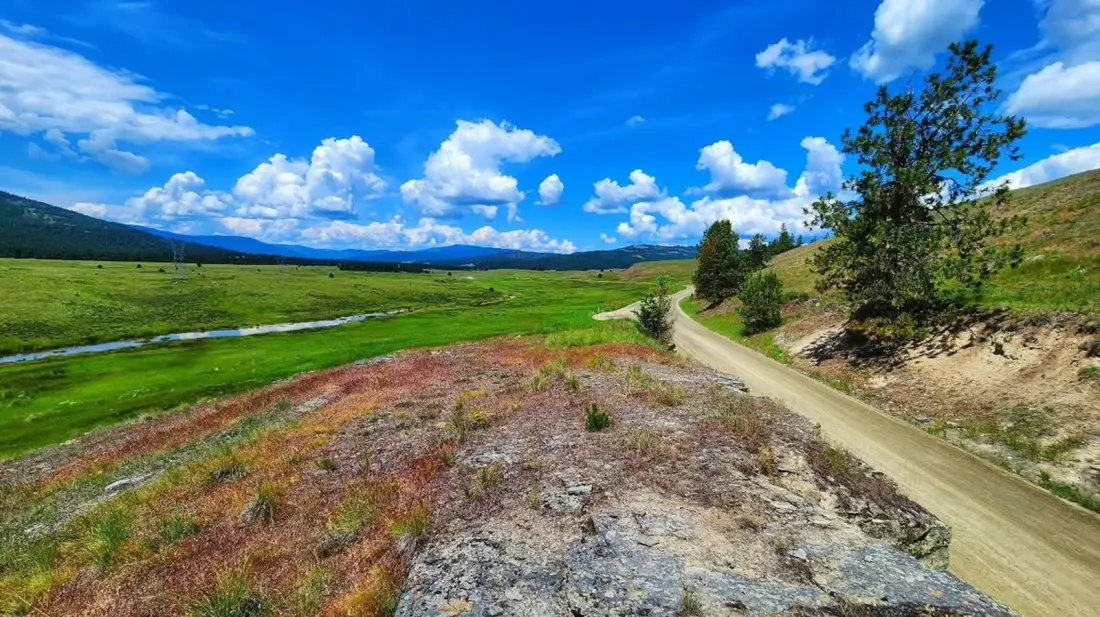
Montana's postcard is all jagged peaks, but head to the state's northwest corner and you'll find a refuge where wetlands steal the show. Lost Trail National Wildlife Refuge spreads across more than 9,000 acres of the Pleasant Valley floodplain, ringed by the forested hills of the little-known Salish Mountains and about 20 miles from the small lakeside town of Marion.
The refuge is young — established in 1999 — and it exists to fix old damage. When dams reshaped the area around Flathead Lake, riparian habitats vanished; the refuge was created to bring them back. Its centrepiece, Dahl Lake, has an even more tangled history: a glacially carved basin that was drained in the 1950s so the old Lost Trail Ranch could graze cattle and horses. The wetland complex shrank from roughly 1,000 acres to under 200. Restoration has since reversed that, and the lake and its grasslands now anchor habitat for sandhill cranes, cinnamon teals, willow flycatchers, gray catbirds and reintroduced trumpeter swans. Pleasant Valley Creek, flowing down from a 53-square-mile watershed in the Salish Range, feeds the system before joining the Fisher River.
Big mammals are part of the draw, too. Moose, elk, gray wolves and Canadian lynx roam the grounds, and grizzly bears pass through — worth brushing up on bear safety before you set out.
The walking is genuinely backcountry-style. There's no formal trail system, so bring a map and compass and pick your own route through grasslands and tree-dotted slopes. In winter, the same terrain works for cross-country skiing and snowshoeing. The mountain framing is hard to miss: Sanders Mountain tops out around 6,000 feet to the north, Murr Peak climbs to nearly 6,800 feet to the south, and Calx Mountain rises about 6,500 feet in the adjacent Kootenai National Forest to the west.
One of the refuge's biggest claims to fame arrives after dark. It's a certified International Dark Sky Sanctuary, and designated parking areas along Pleasant Valley Road are set aside for stargazers. Far from city lights, the Milky Way puts on a show that pairs beautifully with the sound of the wetlands at night.
A few practical notes: the main access road is largely gravel and can turn treacherous in winter or heavy weather, so check conditions and take it slow. And plan around a big closure — a substantial portion of the refuge is off-limits to the public from September 1 through December 10, typically to protect wildlife during hunting season and the lead-up to winter. Late spring through summer is your best window for birdlife, wildflowers and long daylight.
Lost Trail suits travellers who like their wild places quiet and unmachined — birders with a life list, photographers chasing dark skies, and hikers happy to navigate without trails. If that sounds like you, it's an easy add-on to a Glacier National Park or Flathead Lake itinerary, trading crowds for crane calls and mountain silhouettes.