A couple paddleboarding on a lake near Squamish, British Columbia fell in and drowned this May — and their deaths fit a troubling pattern. A new review in the Journal of Applied Physiology, led by Italian researchers Laura Leuci and Luca Barenzo... actually Leuci and Luca Carenzo, maps out why people die in cold water, and the headline finding is that hypothermia is usually not the killer. More than half of open-water deaths happen within three metres of safety, and two-thirds of the victims were competent swimmers.
The researchers break the danger into four stages. In the first minute or so after you hit water below about 15°C (59°F), you involuntarily gasp — if your head is underwater at that moment, you may start drowning immediately. You then hyperventilate for one to three minutes, which makes it hard to time breaths between waves. Your heart rate also spikes by 15 to 30 beats per minute, but a submerged face triggers the mammalian diving reflex that slows the heart. The clash between the two, called "autonomic conflict," can cause dangerous arrhythmias, especially in people with underlying heart conditions.
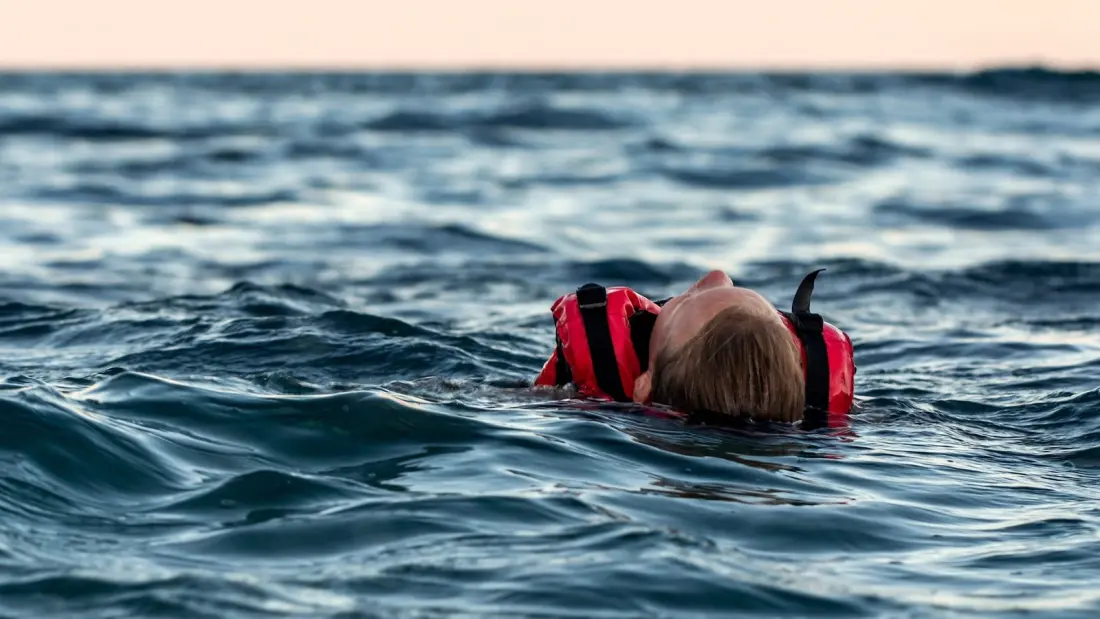
The countermeasure for this stage is what the RNLI calls "Float to Live": roll onto your back, spread your limbs, keep your face clear of the water, and wait out the panic. Habituation helps too — regular cold exposure blunts the shock response for months, and easing in gradually is safer than plunging.
Stage two is cold incapacitation, from roughly 3 to 30 minutes. Your muscles and fingers stiffen long before your core cools, so you can lose the ability to swim or hold onto a boat. In 12°C water, expect around 1,250 metres of swimming in a swimsuit — about 800 metres fully clothed. If safety is within that range, swim on your back, legs only. If not, stop swimming and assume HELP: knees to chest, arms tucked. Swimming just makes you colder faster.
Only after 30 minutes or more does true hypothermia arrive, with confusion below 35°C and consciousness lost below about 30°C. Oddly, deeply chilled victims have sometimes been revived hours after cardiac arrest — one survived with a core temperature of 13.7°C. The cruel twist is that cold shock often stops the heart before the protective deep cooling ever happens.
The fourth stage, "circum-rescue collapse," claims people at the moment of rescue. Being lifted out of the water releases the hydrostatic pressure that was squeezing blood into your core; when it rushes back to your limbs, blood pressure can crater — worse if you're winched out vertically. Rescuers are trained to keep victims horizontal, and some researchers suspect a "parasympathetic surge" of relief may play a role too.
For anyone who swims, paddles, sails or takes cold plunges on holiday, the takeaways are straightforward: wear a flotation device, don't panic in the first minutes, and know that getting in and getting out are riskier than the time in between.