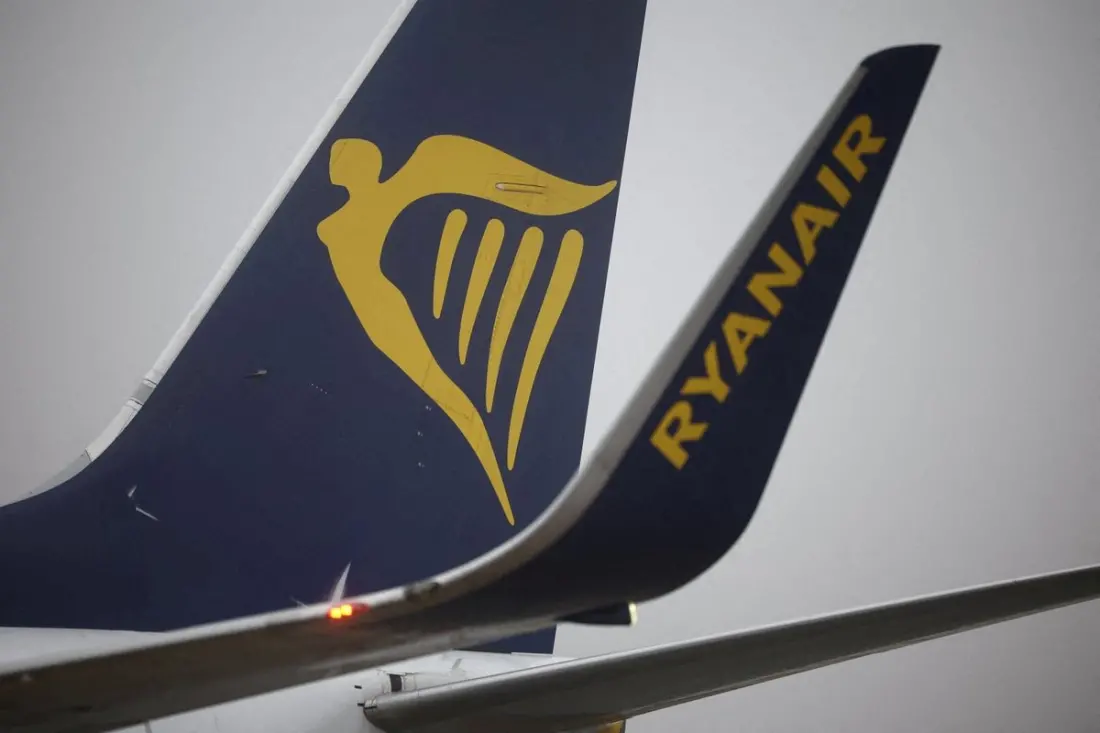
Cheaper-than-ever flights across Europe could be about to end. Ryanair chief executive Michael O'Leary has warned that airfares on the continent will climb by 10 to 20 per cent over the coming 12 months, calling it the biggest increase in airfares in European history.
Speaking at a news conference in Brussels, O'Leary pointed to two forces converging at once. The conflict involving Iran has pushed jet fuel prices sharply higher, and most European airlines entered the crisis with little or no protection against rising costs because they had not hedged their fuel purchases. At the same time, he expects industry consolidation — bankruptcies and takeovers among airlines — to shrink the number of available seats. Fewer seats chasing the same passengers means higher prices.
Ryanair itself is in a better position than most. When the conflict began at the end of February, the airline was 80 per cent hedged at $67 per barrel through March 2027. But even it is exposed after that: only 15 per cent of its fuel costs for the following year are locked in at $85 a barrel, roughly half of current spot rates. O'Leary said that from April 2027, most European carriers have very little hedging in place at all — which is when he expects the real fare pain to hit travellers.
The Brussels trip wasn't only about fares. O'Leary announced that Ryanair is cutting 20 routes and more than a million seats from Belgium for its winter schedule, in response to Belgian plans to raise its aviation tax to €7 per passenger from January, up from the current €2. Travellers flying out of Belgian airports should expect fewer options and potentially pricier alternatives as a result.
There was some brighter operational news. O'Leary said he expects the long-delayed US certification of Boeing's 737 MAX 10 to be completed by the end of October, with US Transportation Secretary Sean Duffy expected to confirm FAA approval after navigation software issues threatened a further delay. If that lands on time, Ryanair expects to receive 16 of the new aircraft in early 2027 — planes that burn less fuel and could help keep the airline's costs, and fares, more manageable than its rivals'.
For holidaymakers, the takeaway is simple: the era of bargain-basement European airfares may be drawing to a close, at least for the next year or so. Anyone with a big trip in mind for next spring or summer would be wise to book earlier than usual, lock in fares now where possible, and keep an eye on which airlines survive the fuel squeeze. Deals will still exist — Ryanair is likely to keep undercutting rivals thanks to its fuel hedging — but the floor on prices looks set to rise across the board.