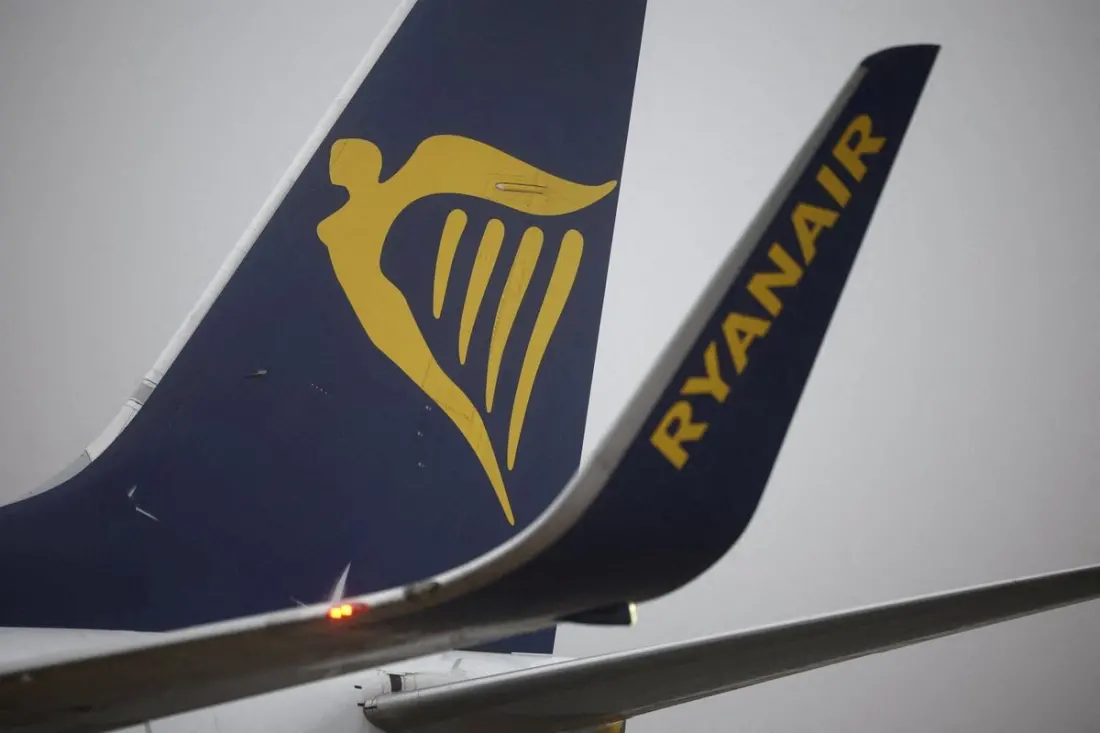
Michael O'Leary has never been shy with a prediction, and his latest is a big one: he expects European airfares to rise by 10 to 20 per cent over the next 12 months, which he describes as the biggest fare increase in the continent's history.
Speaking at a news conference in Brussels on Tuesday, the Ryanair chief executive pointed to two forces squeezing airlines. The first is jet fuel: the conflict involving Iran has pushed prices sharply higher, and most European carriers are poorly protected because they never hedged their fuel purchases. The second is capacity. O'Leary expects a wave of airline failures and takeovers in the coming months, which would strip seats out of the market — and fewer seats usually means higher prices.
Ryanair itself is in a stronger position than most, at least for now. The airline was 80 per cent hedged at $67 per barrel through to March 2027 when the conflict began at the end of February. Beyond that, the picture gets worse: from April 2027 it has only 15 per cent of next year's fuel secured at $85 a barrel, while spot rates are running at roughly double that level.
O'Leary was in Brussels mainly to announce cuts to Ryanair's Belgian operations. The airline is scrapping 20 routes and more than a million winter seats from the country in protest at Belgium's plan to raise its aviation tax from €2 to €7 per passenger in January. If you were planning a city break to Brussels, Antwerp or Charleroi-based routes this winter, expect fewer options.
There was some brighter news buried in the briefing. O'Leary said he is confident the US Federal Aviation Administration will certify the long-delayed Boeing 737 MAX 10 before the end of October, after a navigation software glitch threatened to push things back again. That would let Ryanair take delivery of 16 of the new planes in early 2027 — aircraft it needs to hit its own growth targets.
Why should holidaymakers care? Because if O'Leary is right, the window for grabbing genuinely cheap European flights may be closing. Booking earlier than usual, being flexible on dates and flying midweek are the classic defences against fare inflation, and they'll matter more next year. Travellers with trips planned for spring 2027 onwards have the most reason to lock things in early, since that's when both the fuel hedging gap and the predicted capacity crunch bite hardest. On the flip side, Ryanair's fleet expansion could keep some route fares competitive even as the wider market rises.
For now, this is one man's forecast — but Ryanair carries more European passengers than anyone else, and O'Leary has a track record of reading where fares are heading. If you've been sitting on a summer holiday idea, it might be worth pricing it up sooner rather than later.