A travel writer with two books on sustainable tourism behind her has come to an uncomfortable conclusion: the bamboo toothbrush and reused towel barely register in the real impact of a trip. In a candid reflection for Traveller, she argues the green habits most conscientious travellers obsess over are dwarfed by a question almost nobody asks before booking — who owns the business, and where does the money actually go?
The core issue is what tourism researchers call "leakage". In many destinations, a large share of what visitors spend never reaches the local community. Hotels can be foreign-owned, tour operators headquartered continents away, and breakfast buffets stocked with imported European cheese and out-of-season berries to meet international expectations. So while you're declining a plastic straw, the profits from your stay may be quietly flowing offshore.
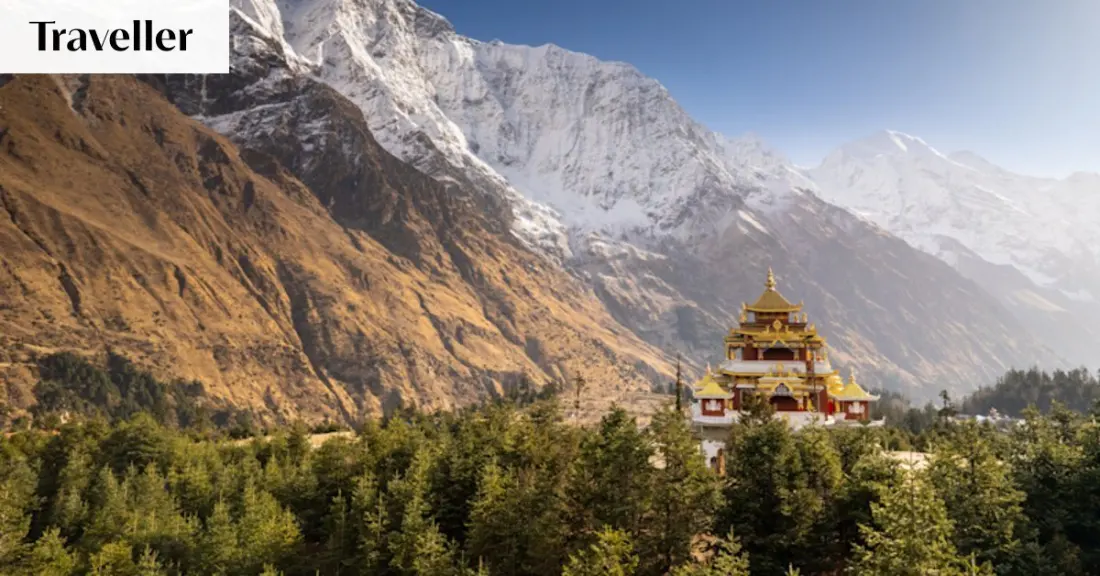
Her rule of thumb is simple: follow local ownership. Family-run guesthouses, locally owned tour companies and neighbourhood restaurants are far more likely to keep profits in the destination — funding schools, clinics, traditional crafts and alternative livelihoods. She describes a family house in Nepal she returns to each visit, where tourism income supports the local monastery, hospital, weaving projects and former loggers now building mountain bike trails. Not every small guesthouse is virtuous and not every big chain is bad, she concedes, but ownership is the clearest signal most of us have.
Food is the second lever. Choosing locally owned restaurants and seasonal, regionally sourced menus keeps money circulating nearby — and tends to produce the trip's best meals. Her example: learning to cook rendang and sambal terasi in a family's open-air kitchen in Sumatra, conversations about turmeric and palm oil plantations included.
On flying, she's refreshingly unsentimental. Offsets are better than nothing but imperfect, and no amount of eco-virtue at the hotel cancels out frequent long-haul trips. The pragmatic fix isn't staying home — it's flying less often, staying longer, and travelling deep rather than wide. The five-cities-in-ten-days itinerary multiplies internal flights and funnels spending through international infrastructure built for turnover, not connection.
Even eco-certifications get a nuanced verdict. Some labels are rigorous; others measure little beyond linen reuse and energy tweaks without touching the deeper economics of a business. Treat them as one signal, not the whole picture.
For anyone planning a trip and genuinely wanting it to do good, the takeaway is practical, not preachy: book locally owned stays and operators, eat local and seasonal, take fewer and longer trips, and read certifications in context. The KeepCup can still come along — it's just no longer the hero of the story. Source: Traveller (Sydney Morning Herald).