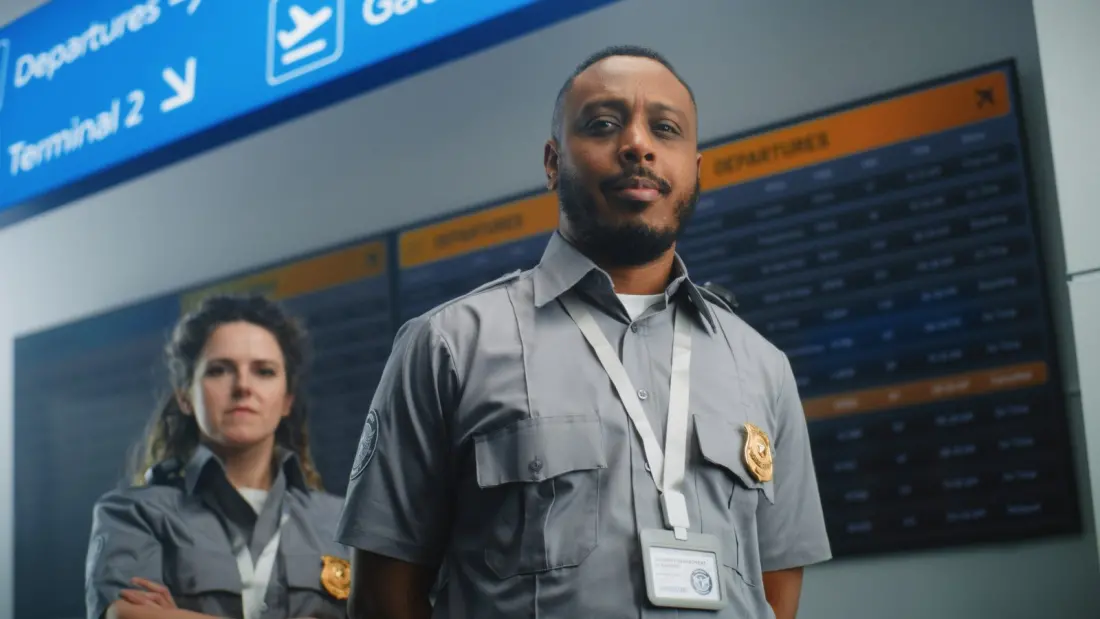
Next time you hand over your passport or Real ID at a US airport, the officer checking your documents may well be standing up. Chairs at TSA document checkpoints are being removed nationwide as part of the agency's wider modernisation push, and the reaction has been anything but quiet.
The change sits under the TSA's Horizon 25 programme, a package of reforms launched around the agency's 25th anniversary and intended to modernise security screening. In a statement reported by Fortune, a TSA spokesperson said officers must meet fitness-for-duty requirements to perform their national security role while creating a "welcoming and professional environment" for travellers. Administrator David P. Cummins has framed the wider programme as proof the agency can deliver security, efficiency and a better passenger experience all at once.
Not everyone is buying it. Critics — including plenty of commenters online — point out that document checking is a sedentary, detail-focused task, not an endurance test. A popular Reddit thread argued the officer inspecting your ID isn't chasing threats on foot, so why force them onto their feet for hours? Ergonomics experts would likely side with the sceptics: prolonged standing on hard floors is linked to fatigue, musculoskeletal problems and higher absenteeism, all of which could chip away at the concentration and alertness security work demands.
For travellers, the practical impact is indirect but real. A fatigued officer is more likely to make errors, and queues move slower when staff are uncomfortable. Some flyers are even wondering aloud whether they'll start favouring airports that use private security contractors instead of the TSA. That said, Horizon 25 isn't all tough love — the same programme has produced genuinely popular changes, including new rules letting certain non-passengers clear security and accompany ticketed travellers to the gate, a big win for anyone meeting elderly relatives or seeing off a nervous first-time flyer.
Will standing officers make screening visibly better or worse? There's no data yet. For now, the takeaway for anyone flying from a US airport is simple: expect checkpoint staff to be on their feet, keep your ID or passport ready in hand, and build a little buffer into your airport timing in case the rollout causes friction. If you regularly travel through airports with private security (like several at San Francisco or Seattle, which have historically been flagged by flyers for smoother screening), you might notice the difference more than most. Otherwise, this is a rule change to watch rather than one that should rewrite your travel plans.
Credit to Islands for the original report.