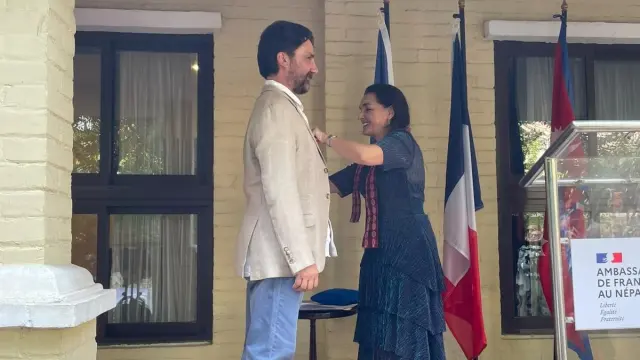
Balendra Shah has packed a lot into ten years: engineering student in India, rap artist, mayor of Kathmandu, and now prime minister. Next week he makes his first bilateral trip since taking office in March, and it's a short one by regional standards — roughly 25 hours in New Delhi, no sprawling entourage, a break from the extended delegations past Nepali leaders favoured.
The visit matters because India-Nepal relations have swung between warm and prickly, and Shah has not made things simple. As mayor he hung a map of 'Greater Nepal' in his office after Narendra Modi displayed one of 'Akhanda Bharat', and he once posted an expletive-laden midnight message cursing India, the US and China. New Delhi will be sizing up an enigmatic leader; Shah, in turn, wants concrete outcomes on trade, connectivity and energy.
For travellers, the connectivity piece is the headline. Two of Nepal's southern air routes — through Bhairawa and Mahendranagar — currently work one way only: flights can leave Nepal but not land. Shah is expected to seek Indian approval to open them to inbound traffic, which would shorten journeys to Kathmandu, Bhairawa (the gateway to Lumbini) and Pokhara. India reportedly wants overflight access to Nepal's airspace in return. If a deal lands, getting to Nepal's biggest tourist hubs could get meaningfully quicker and cheaper.
Energy is the other bargaining chip. Flood damage to hydropower units on the Trisuli means Nepal must import Indian electricity this winter, while hoping to export more of its monsoon surplus. Nepal already has agreements to sell over 1,300MW to India and Bangladesh, and analysts argue the visit should aim beyond transit rights — toward integration with Bangladesh and wider South and Southeast Asian markets. As Apekshya Shah of Tribhuvan University's diplomacy department puts it, the two countries' strategic sensitivities are well understood; the shared priority now is economic growth.
If inbound routes open, Lumbini and the Buddha circuit become easier to reach directly, and Pokhara — the trekking base for the Annapurnas — loses some of its awkward routing. Watch this space before booking a Nepal trip this winter.