Nobody boards a plane thinking about it, but deaths in the air do occur. A 2025 study in JAMA Network Open covering more than 77,000 in-flight medical consultations found 312 deaths — around 0.4% of serious medical events — either mid-flight or shortly after landing. So what happens when it does? Crews call for medical help among passengers, alert the captain, attempt resuscitation, and then follow established procedures for the body until ground authorities take over.
The protocols come largely from the International Air Transport Association, and they're recommendations rather than strict rules, which is why real-world handling varies. A key point: flight attendants cannot formally pronounce anyone dead. They can only presume death — typically after CPR has continued for at least 30 minutes with no signs of life and the onboard defibrillator hasn't advised a shock. Resuscitation may also stop if it becomes unsafe to continue.
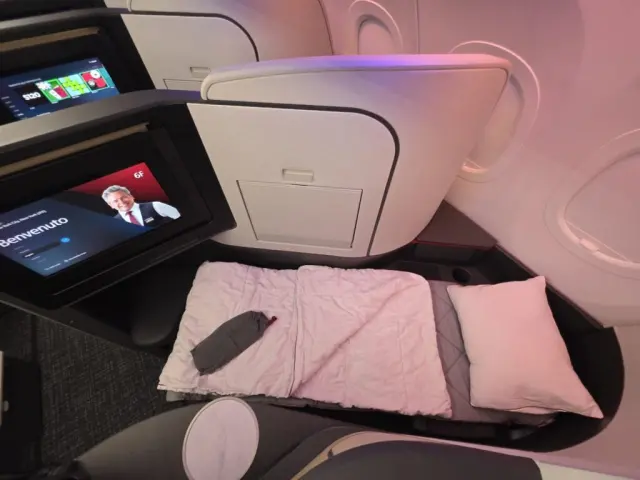
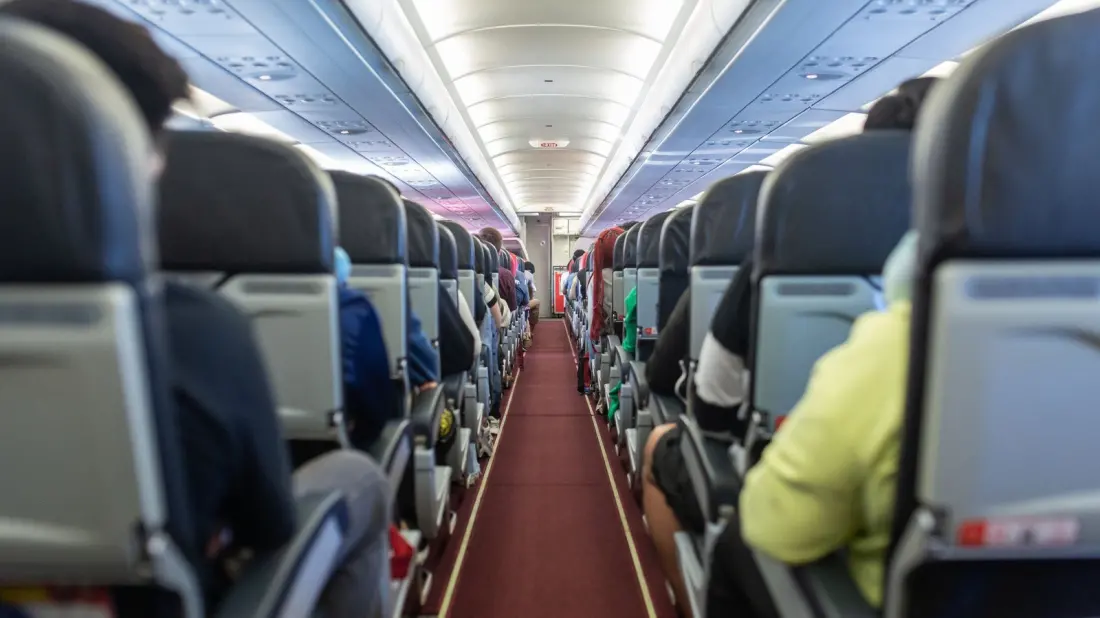
Once a passenger is presumed dead, the captain is notified so authorities can be ready on arrival. IATA's guidance suggests moving the person to a seat in a quieter part of the cabin, though on a full flight that's often impossible. The body is placed in a body bag zipped to the neck, or covered with a blanket, the eyes are closed, and the seat belt is fastened. Crew try to locate travel companions, and after landing everyone else disembarks first while loved ones stay aboard until officials arrive.
Practice doesn't always match the playbook. On a Qatar Airways flight from Melbourne to Doha in February 2025, a passenger said he was left sitting beside a woman's body for roughly four hours despite other empty seats; the airline later defended its crew. In a more troubling case, passengers on a British Airways Hong Kong-to-London flight in March 2026 reported a foul odour after a woman in her 60s died shortly after takeoff — her body had been placed in a rear galley with a heated floor. Not every story is grim in its handling, though: on a New York-to-Rome flight, crew reserved the entire row for a woman who died in her sleep and her husband, laying her across the seats under blankets and waiting for Italian EMTs before anyone left.
Airlines have occasionally engineered around the problem. Singapore Airlines fitted dedicated body-storage compartments on its Airbus A340-500s from 2004 until those jets retired in 2013. And avgeeks may recognise "Jim Wilson" — cabin-crew code referring to a corpse, mostly used for transporting remains rather than a passenger death. A pilot's death mid-flight follows a different path entirely, since another qualified pilot simply takes the controls.
For travellers, the takeaway is mostly reassurance. The odds of witnessing a death on your flight are very slim, and when it does happen, there's a framework designed to preserve the deceased person's dignity and get authorities involved quickly. It's also a reminder that crew have limited medical authority in the air — final pronouncements happen on the ground — and that if you're travelling with an elderly or unwell relative, airlines can note medical conditions in advance and it's worth knowing where the onboard defibrillators and medical kits are.