Fresh excavations near Naousa in northern Greece are adding weight to a claim that has fascinated classicists for decades: that the monumental gymnasium at ancient Mieza is where Aristotle tutored a teenage Alexander the Great.
The Royal Gymnasium dates to the mid-4th century B.C., built under Philip II of Macedon — Alexander's father. Systematic digging began in 2024, led by archaeologist Angeliki Kottaridis with Greece's Ministry of Culture and the Municipality of Naousa. So far around 3 hectares have been explored, revealing a palaestra, a stadium, covered walkways, water infrastructure and a 200-metre covered running track called a xystos.
This season's focus was the eastern side, where teams uncovered lecture rooms with stone benches and a large three-part building spanning over 160 square metres. Its two formal dining rooms (andrones) retain mosaic floors and raised platforms marking where dining couches once stood — ten per room, seating at least 20 diners for symposia. The mosaics' quality closely matches those at the royal palace of Aigai, Macedonia's first capital, a strong hint of royal involvement. Finds of pottery, coins and four writing styluses further back the site's teaching role.
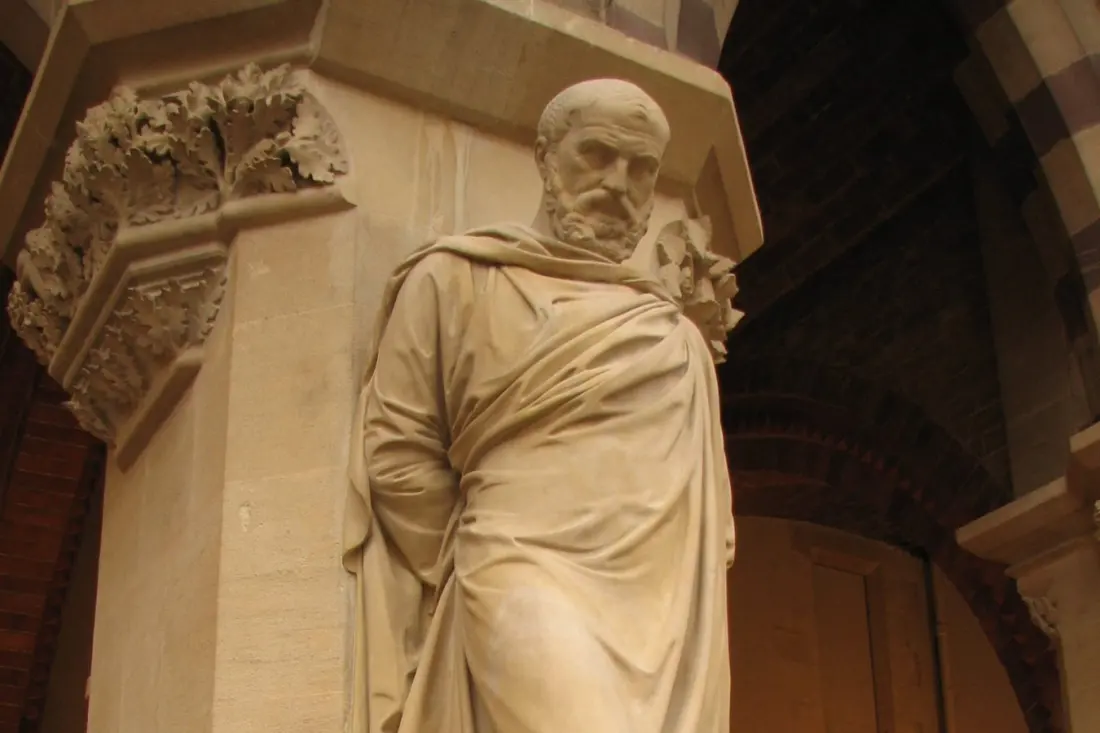
The link to Aristotle rests on Plutarch, who wrote that Philip invited the philosopher to educate his son and other noble youths at a spot near Mieza, describing stone seats and shaded walks. Earlier scholars pointed to the nearby Sanctuary of the Nymphs, but recent research increasingly favours the gymnasium — its scale, date and blend of athletic and teaching facilities fit an elite royal school. No inscription naming Aristotle or Alexander has surfaced, so the case hangs on matching the physical remains to the ancient texts. The complex didn't last: after Rome crushed the revolt of Andriscus at the second Battle of Pydna in 148 B.C., it was systematically dismantled.
For travellers, this is a good moment to see a major archaeological story in progress. Mieza sits in the Naousa area of Imathia, roughly 90 minutes west of Thessaloniki, and pairs naturally with Aigai (modern Vergina), the UNESCO-listed Macedonian capital whose royal tombs and palace mosaics mirror the new finds. Excavations are ongoing, so the site's interpretation may keep evolving — part of the appeal of visiting now rather than in a decade.