Paying extra for a bit more space has quietly become one of the priciest add-ons in US air travel. Alaska Airlines, American Airlines and Southwest all sell extra-legroom seating — Alaska's Premium Class starts at $15, American's Main Cabin Extra lists between $20 and $280, and Southwest's Choice Extra seats have reportedly reached $319. The catch: that price spread has little to do with how comfortable the seat actually is.
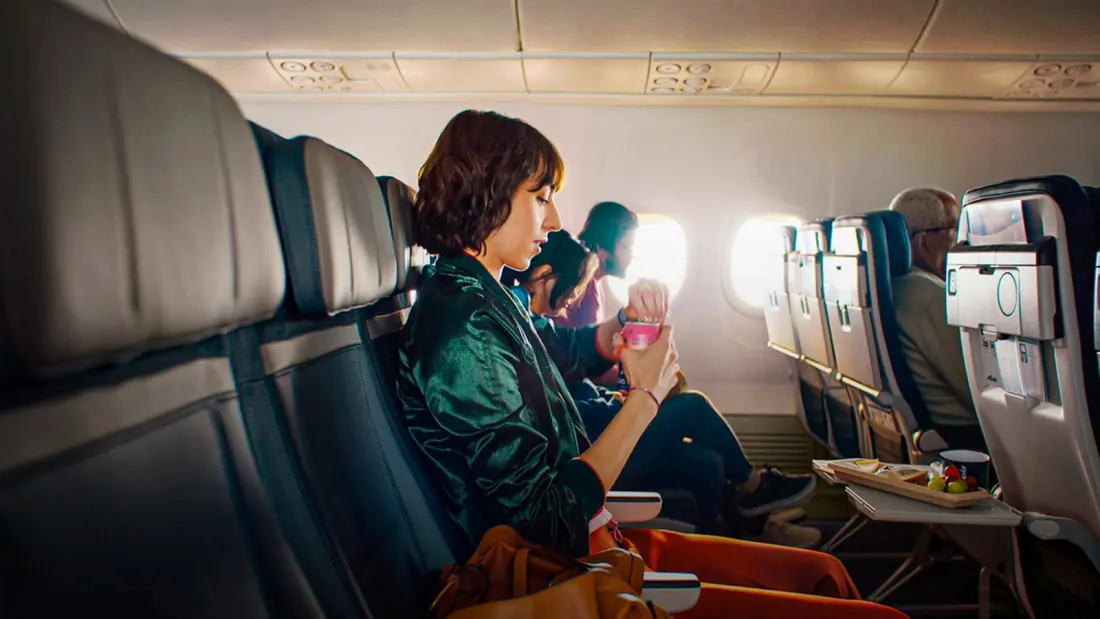
These aren't separate premium economy cabins. They're standard economy seats — usually near the front of the cabin or in exit rows — with roughly three to five extra inches of legroom, plus perks like earlier boarding, reserved overhead bin space and, on some carriers, a free drink. Airlines price them dynamically, based on demand, route, how full the plane is and how few good seats remain, so the identical product can cost wildly different amounts on different flights.
A real-world example shows the trap. A Business Insider journalist bought a $218.40 Alaska economy fare from New York to Portland, then paid another $162 to upgrade to Premium Class — a 74% markup on the original ticket. At 5'3", she found the extra space made little difference and the seats looked much like regular economy. Her favourite perk turned out to be the guaranteed overhead bin space, which saved her carry-on from being gate-checked. A taller passenger on a long flight would likely feel very differently about the same purchase.
The perks vary by airline, so it pays to read the fine print. Alaska's Premium Class adds four inches of pitch, early boarding, reserved bin space and complimentary alcohol on most flights over 350 miles. American's Main Cabin Extra offers Group 5 boarding, dedicated bin space and drinks. Southwest, which moved to assigned seating in January 2026, bundles its Extra Legroom seats with Choice Extra fares that include Group 1 boarding and two checked bags.
There's also a genuine premium economy wave coming. Alaska announced Premium Reserve in September 2026 — a true premium economy cabin with 38-inch pitch, wider seats, leg and calf rests and 16-inch 4K OLED screens, debuting on Alaska and Hawaiian aircraft in 2028. American, meanwhile, is boosting premium seating on its narrowbody fleet from about 25% to 40% and will start adding seatback screens from 2028.
The takeaway for travellers: don't assume a big upgrade fee means a big comfort jump. Check the pitch difference, whether drinks and boarding are actually included, and how tall you are. Four extra inches can be transformative for someone over about 180cm on a coast-to-coast flight, and near-worthless for a shorter passenger on a two-hour hop. Compare the total fare — sometimes a standard seat plus paid bags or priority boarding separately works out cheaper than a bundled upgrade.