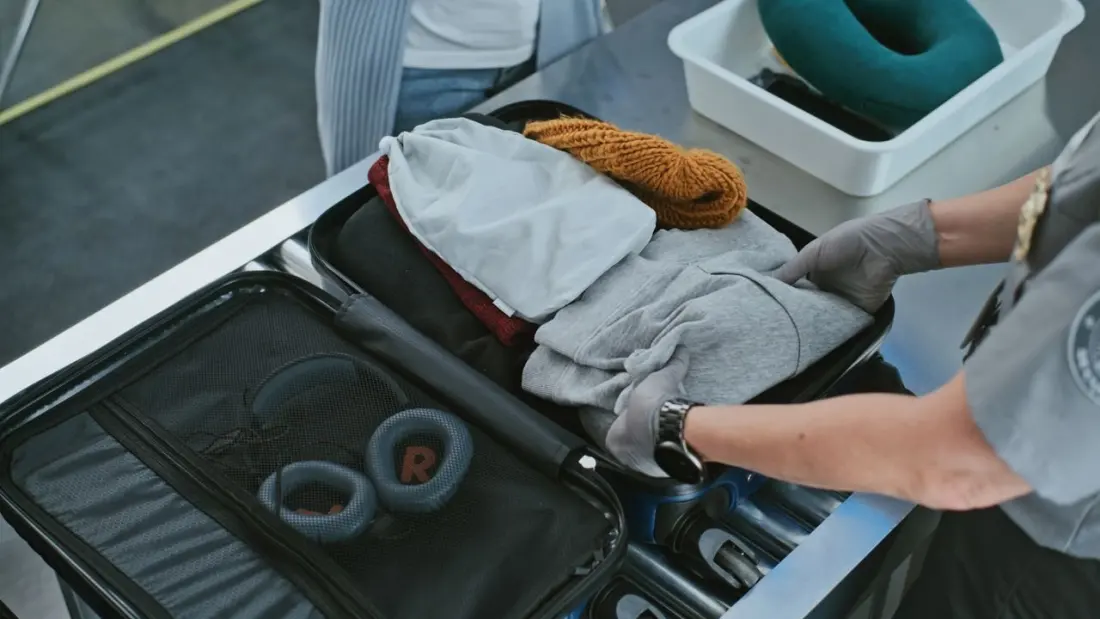
The 3-1-1 rule has governed carry-on packing since August 2006, when a foiled plot to detonate liquid explosives on transatlantic flights prompted the TSA and its counterparts worldwide to cap liquids at 3.4 ounces (100 mL) per container, all squeezed into one quart-sized clear bag. Two decades on, that limit is starting to crack: some UK airports, including Heathrow, now allow up to two litres thanks to new CT scanners, and the TSA says it anticipates lifting the US limit in the coming years. Until that rollout reaches every terminal, though, the familiar rules apply — with a handful of exceptions worth knowing.
The biggest category is medical. Prescription liquids, gels, and aerosols can travel in any size if you declare them at security and label them clearly. The same goes for over-the-counter medical essentials like inhalers, insulin, and nebuliser liquid, plus contact lens solution — though the TSA warns some solutions trip the alarms and are better checked. If you'd rather your medication wasn't opened or X-rayed, say so; officers will use alternative screening and you may get extra screening yourself.
Parents get generous treatment too. Breast milk and formula count as medically necessary liquids, and your child doesn't even need to be travelling with you. Baby and toddler food, juice, puree pouches, and water for infants are allowed in reasonable quantities. Gel ice packs and frozen water bottles are fine as long as they're frozen solid going through — anything slushy counts against your 3-4-oz allowance. Medically necessary ice packs, say for breast milk, are exempt even when melted.
Then come the oddities. Fresh eggs are permitted, yolks and all, though you may be asked to pull them out for X-ray inspection. Live fish and coral in water can fly in the cabin in a clear container — but never in the hold. Non-spillable wet batteries (gel cell or absorbed glass mat types, 12 volts or under, max two spares) are allowed. Even non-infectious scientific specimens in preservative solutions like formaldehyde or ethanol can be carried, provided they're sealed in heat-sealed bags with strict volume limits and marked with the relevant US regulation.
Finally, duty-free shopping: liquids like wine, maple syrup, or sauces bought at airport retailers can come through in your carry-on on inbound international flights, but only if sealed in the retailer's tamper-evident bag with the receipt, purchased within 48 hours. Not every shop offers this, so check before buying.
Why does this matter? Because the transition period is messy — scanner availability varies by terminal, and individual officers make the final call. Declaring oversized items before screening and packing them separately is the difference between sailing through and surrendering them. Anyone travelling with medication, small children, or a liquid souvenir in their sights should know these carve-outs exist.