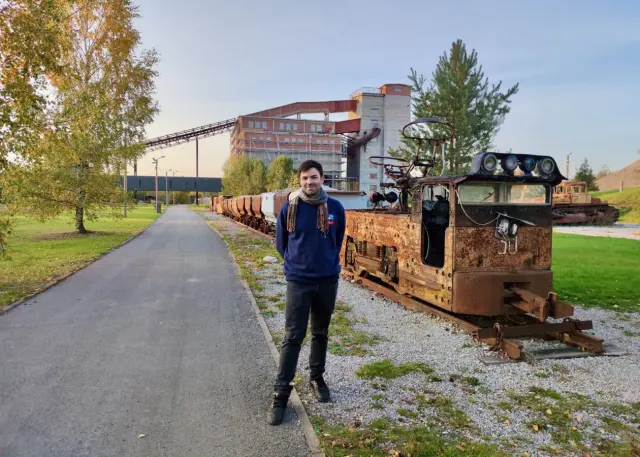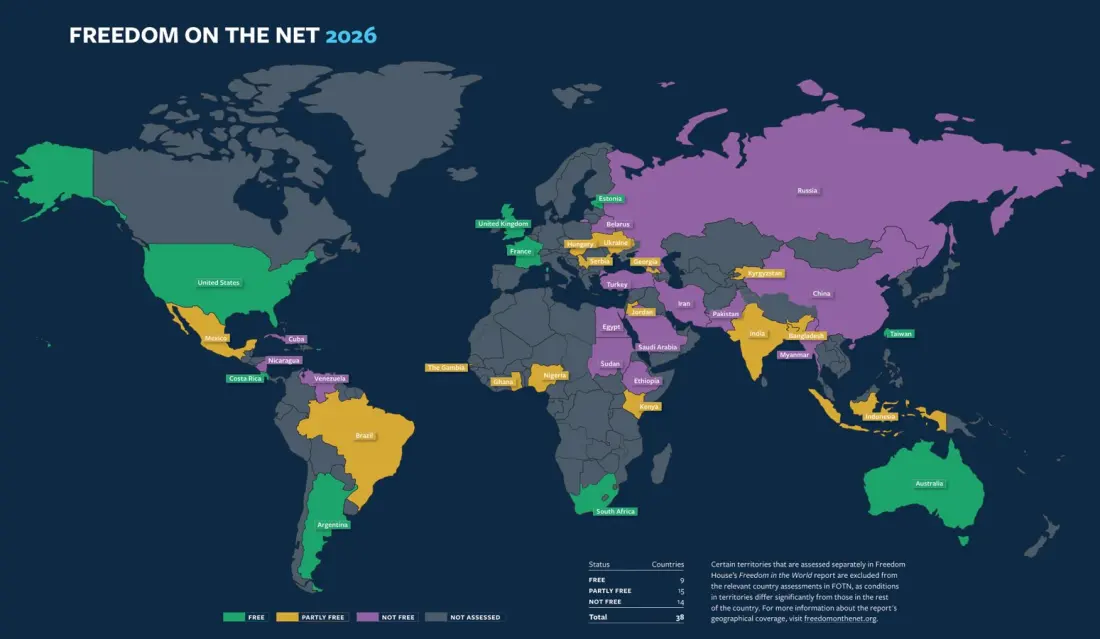
If you're the kind of traveller who works from the road, streams on the go and relies on maps and apps without a second thought, Estonia just earned another line on its already impressive digital CV. The small Baltic nation has come first in Freedom House's Freedom on the Net 2026 index, scoring 91 out of 100 and ranking ahead of Costa Rica, Taiwan, Australia and France as the country with the freest internet in the world.
That fits neatly with Estonia's wider reputation. This is the country that pioneered e-residency, runs most government services online and markets itself as one of Europe's most digital-friendly places to live and visit. For travellers, it translates into something simple: fast, open, uncensored connectivity in Tallinn's cafés, co-working spaces and hotels, with no need to think twice about what you can access.
There are caveats worth knowing. Freedom House paused coverage of 34 countries in this year's index — Finland, Latvia and Lithuania among them — so plenty of European states weren't assessed at all. Only 38 countries made the cut, chosen to represent a spread of geographies, political systems and internet control models. In other words, Estonia is the freest among those measured, not the winner of a fully global league table.
At the other end of the scale sit Myanmar, Iran, China and Russia — all places where travellers routinely need VPNs and should understand that even a hotel Wi-Fi connection comes with heavy restrictions. Iran showed the sharpest deterioration in this edition, following harsh online censorship during anti-government protests and a months-long war that began in February after attacks by the United States and Israel.
The bigger picture is sobering: global internet freedom has now declined for 16 consecutive years, according to the index. Freedom House, the Washington DC nonprofit behind the report, also flagged the rise of agentic AI services as the next frontier, arguing that open exchange and free expression should be preserved as societies decide how to shape the internet in the AI era.
So why should this matter to anyone booking a trip? For digital nomads and remote workers, an open internet is infrastructure as real as roads and trains. Estonia's top score is a strong signal that it remains one of the easiest places in Europe to work online, whether you're basing yourself in Tallinn's old town for a week or hopping between Baltic cities. It also tells you something about neighbouring destinations by omission: the Baltics' other two states weren't assessed this year, though travellers generally report similar conditions across the region. And when planning trips further afield, the index doubles as a practical connectivity check — if a country scores near the bottom, budget for a VPN and download your maps before you land. Source: Estonian World