
A provocative essay from a former George W. Bush White House staffer argues that a quarter-century after the September 11 attacks, the United States is still run by the fear those attacks created — and that travellers have lived inside that aftermath ever since.
The writer, who was 15 in 2001 and later served in the Bush administration, recalls the brief national unity after the attacks: flags everywhere, full churches, politicians standing together. But he says fear proved more durable than solidarity. Congress passed the PATRIOT Act with overwhelming support, the Department of Homeland Security and the TSA were created, surveillance expanded, and an authorisation to hunt those responsible became a foundation for military action worldwide.
Some changes were genuinely needed — reinforced cockpit doors, better intelligence sharing. But 'necessity' stretched. The invasion of Afghanistan had a direct line to 9/11; the Iraq War did not, and was sold on weapons assessments that proved catastrophically wrong. Fear also enabled the CIA torture programme, Guantanamo detention, warrantless surveillance and drone warfare — policies both parties defended or expanded. His central warning: Trump did not build the machinery of emergency powers, secret surveillance and expansive executive authority; he inherited it, and now uses it openly, from invoking the 1798 Alien Enemies Act to deport Venezuelan migrants to attempting National Guard deployments in American cities over local objections. Courts, including one blocking a Chicago-area deployment, have pushed back.
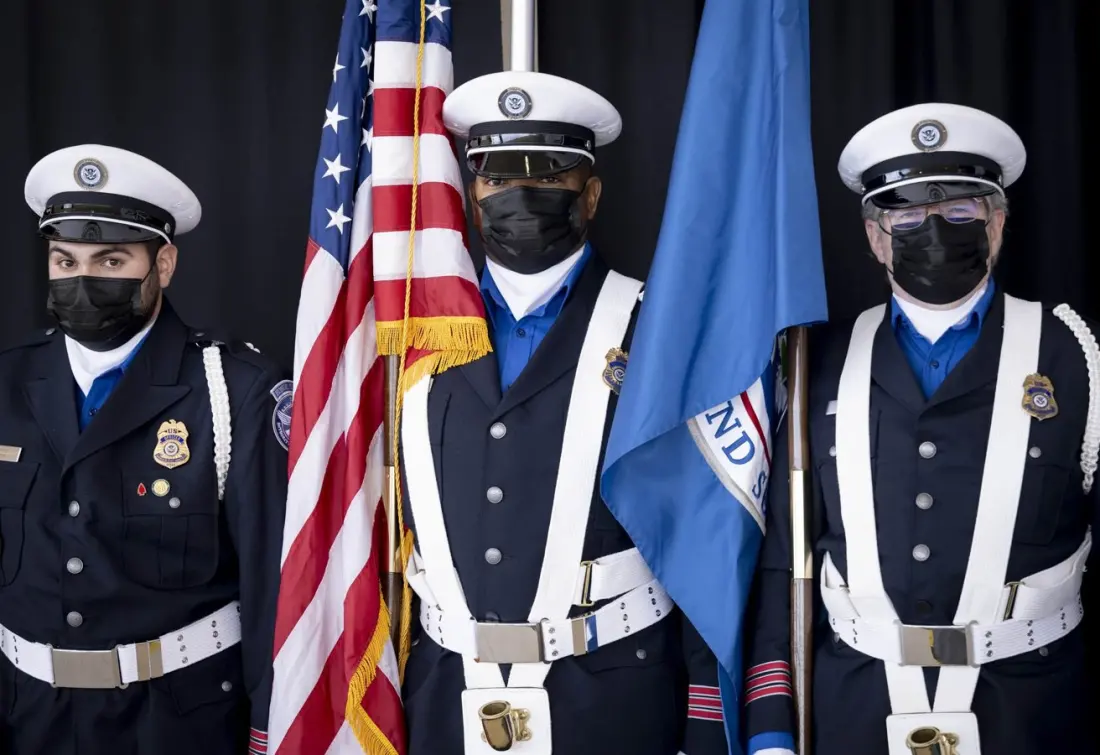
For anyone who flies, this history is not abstract. The TSA checkpoint — the trays, the shoe removal, the liquids rule — is the most everyday monument to the post-9/11 security state. Intrusive screening that would have seemed unthinkable in 2000 became normal within a few years, and no emergency has ever rolled it back. The essay's image choice says a lot: an TSA honour guard, framed as a symbol of how security became ceremonial.
The author contrasts all of this with Tom Burnett of United Flight 93, who spent his final minutes helping strangers he would never meet. That, he argues, was real patriotism; what followed was too often obedience dressed up as patriotism. His conclusion, 25 years on: 'We remembered the flags and forgot the humility. We preserved the fear and squandered the solidarity.'
Why read it before your next trip? Because every airport queue and every border debate is a remnant of choices made in fear in 2001 — and because understanding how temporary powers become permanent is useful for any traveller watching entry rules, screening regimes and emergency declarations multiply around the world. Fair warning: this is a blunt, personal political argument, not a neutral policy briefing.