While voters in the Northern Mariana Islands and Guam were focused on the November 2026 elections — power prices, jobs, the Commonwealth's future — a bill moving through Congress in Washington was drawing quieter but arguably bigger consequences for the region.
The Bipartisan American Affordability and Jobs Act of 2026, known as BAAJA (S. 5653), aims to speed up federal permitting and environmental review. Writing in the Pacific Island Times, Refaluwasch author and researcher Gregorie Michael Towai argues that two of its provisions could sharply narrow how island communities respond to federal decisions on their own doorstep.
Section 1110 would impose a 150-day deadline on certain legal challenges under the National Environmental Policy Act, add requirements around prior public participation, and limit the remedies courts can offer. Section 1401 would restrict federal agencies' ability to revoke, suspend or modify permits already granted. A later manager's amendment softened parts of both, but concerns about judicial review and agencies' flexibility to revisit approvals remain live in the legislative debate.
Why does this matter in the Marianas specifically? Because several major issues are converging at once: US military expansion, proposed seabed mineral development in nearby waters, and mining applications in international seas. Each follows a different legal pathway, but all raise the same practical question for residents — can ordinary people get the information, organise a response and find legal help before the window for review closes? A right you cannot realistically exercise, Towai notes, is barely a right at all.
The argument carries weight beyond one opinion column. The Refaluwasch Journal of Knowledge and Culture, which Towai founded, was among 18 community organisations filing an amicus brief in Department of the Air Force v. Prutehi Guåhan, a case concerning environmental review and hazardous-munitions disposal in Guam. His core request to Congress is modest-sounding but significant: keep cultural consultation meaningful, preserve judicial remedies, and let agencies respond when significant new evidence emerges. Faster decisions, he writes, are not automatically better ones.
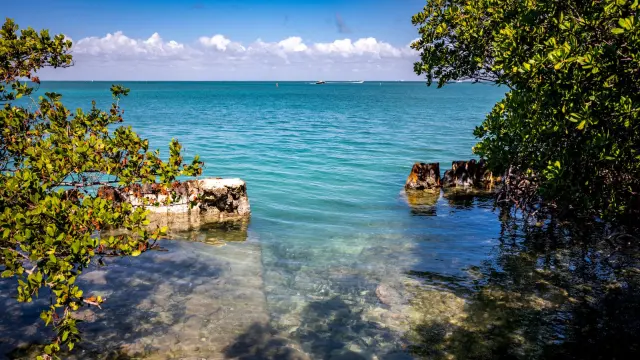
For travellers, this is the backdrop to the islands many visitors experience as pure escapism — turquoise lagoons, dive sites, WWII history. The Marianas' environment and cultural fabric are under genuine pressure from military build-up and extractive proposals, and the rules being written now in Washington will determine how much say local Chamorro and Refaluwasch communities have over their homelands. Anyone who cares about responsible travel in the Pacific — or plans to visit these islands and wants to understand what's at stake beneath the postcard surface — has a reason to follow this debate.
Towai's closing point lands for anyone watching from outside: electing leaders matters, but so does protecting everyone's ability to question decisions that could shape the Marianas for generations. Congress can still revise the bill, and local leaders are being urged to keep the issue in public view rather than letting it stay a Washington paperwork fight.
Pacific Island Times