An Alaska cruise is a bigger undertaking than a week in the Caribbean, and small slips in planning or packing can cost you the very experiences you booked the trip for. Here's what seasoned cruisers say to get right before you sail north.
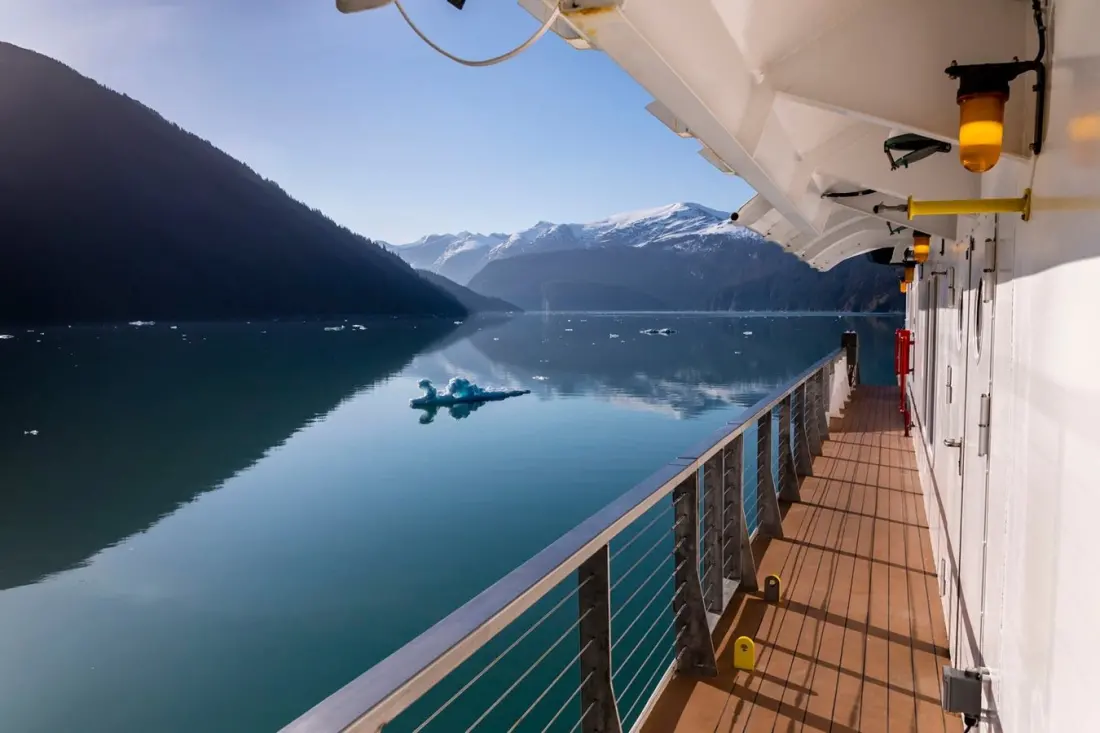
First, know that not all Alaska itineraries deliver the same trip. If glacier time is the priority, aim for a midseason sailing that calls at Glacier Bay National Park & Preserve — early and late-season ships can be blocked by ice floes. Whale watchers should target June round-trips, while salmon anglers want mid-June to mid-August, ideally with a Ketchikan stop (the self-styled salmon capital of the world isn't on every itinerary). Families may prefer big ships with more onboard programming, whereas expedition-style vessels trade kids' clubs for kayaks, Zodiacs and a closer-to-nature experience that suits independent teens.
Itineraries can and do change. In 2026, ships scheduled for the twin Sawyer glaciers in Tracy Arm Fjord were rerouted to Endicott Arm for the whole season after rockslides made the area unstable. Ice and fog can also scuttle glacier viewing, so hedging — midseason dates, more than one glacier day, or independent tour boats that get closer than big ships — is smart.
Paperwork trips up more travellers than it should. Nearly every Alaska cruise touches Canada, so Canadian entry rules apply to all passengers at boarding. Closed-loop round-trips sailing from and back to the same US port allow passport cards, Nexus cards, Enhanced IDs or a birth certificate plus government ID, and kids 15 and under need only a birth certificate. But one-way cruises and any cruise with a land tour package require full passport books for everyone. Cruise lines can enforce stricter rules than the law and can deny boarding. Note also that Canada bars entry to convicted felons, even as tourists.
Book shore excursions early — they sell out, especially in midsummer. Independent operators are often cheaper than ship tours (kayaking in Ketchikan is a popular pick), just confirm they guarantee an on-time return to port. Fly in the day before embarkation and book afternoon flights home; if you're sailing from Seward or Whittier, budget several hours of transfer time from Anchorage and consider an overnight either side.
Cost-wise, fares may look Caribbean-like, but higher port fees, pricier excursions, multi-city airfare for one-way routes, passports and surging summer hotel rates in Anchorage and Seattle add up fast. Shoulder-season sailings in early May or late season cut fares, flights and hotels, with milder crowds and no mosquitoes. And don't skip travel insurance: between helicopter rides, glacier hikes and slippery port towns, injuries happen — one family on a recent sailing had to disembark in Ketchikan for a child's surgery.
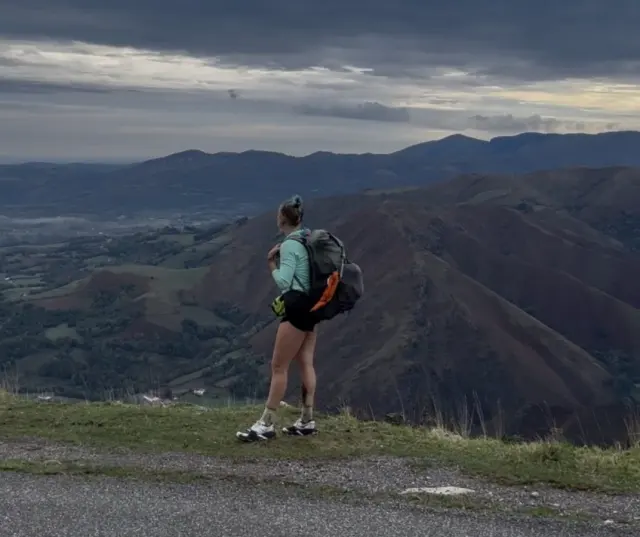
Finally, pack for weather whiplash: it can be rainy and 10°C one day, sunny and 29°C the next. Waterproof footwear, a packable raincoat or poncho, rain pants and thin base layers topped with a puffy jacket or vest will keep you comfortable from 6 a.m. glacier watch to evening deck.
Get these details sorted and Alaska delivers exactly the trip you pictured.
Story via The Points Guy.