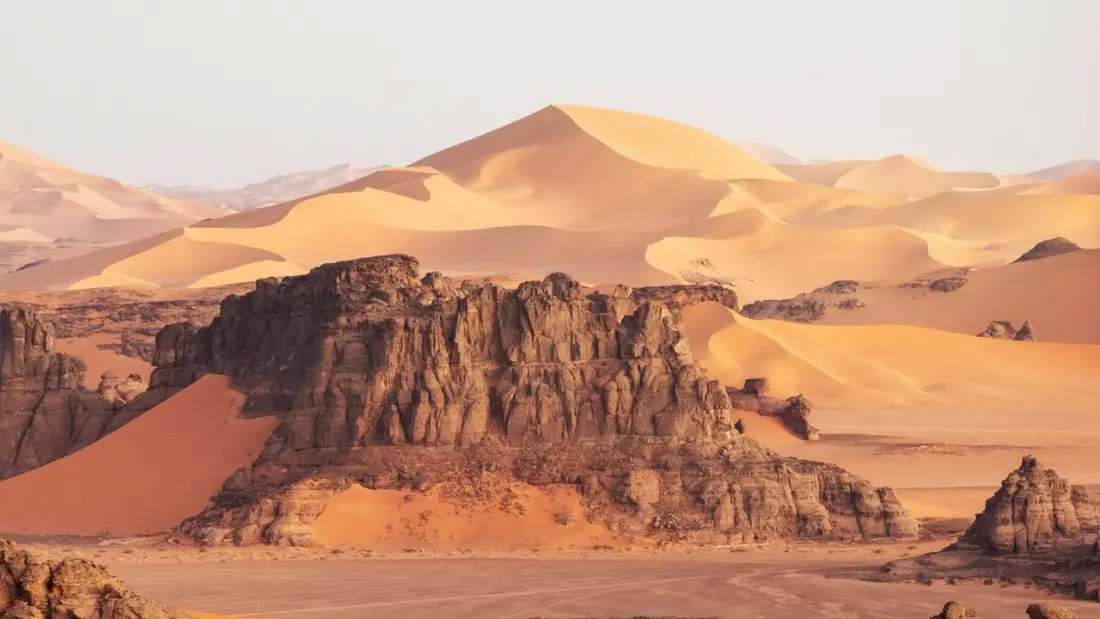
A night spent lying under Orion's Belt, zero phone signal, and only six other vehicles spotted in five days of desert driving — that's the Algeria now quietly opening to travellers, and the window to see it uncrowded may not last long.
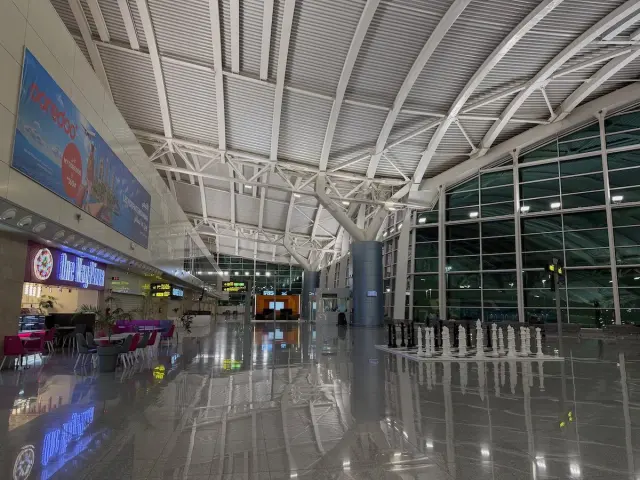
Algeria is Africa's largest country, yet tourism has barely registered in an economy long powered by oil and gas. That's changing. The government has launched a plan to quadruple visitor arrivals by 2030, with a focus on desert tourism, and it has introduced a visa-on-arrival scheme for visitors spending most of their trip in the Sahara — used by nearly 39,000 people since 2023. At Algiers' Houari Boumediene Airport, the process took about an hour and cost $150 in cash for 10 days.
The route most travellers are taking starts in Algiers, where a day or two in the UNESCO-listed Casbah and the National Museum of the Mujahid (covering the 1954–62 independence war) adds real context before the desert. From the capital, a two-hour flight — often in the middle of the night to dodge desert winds — lands in Djanet, an oasis town near the Libya and Niger borders that serves as the gateway to the Tassili n'Ajjer plateau.
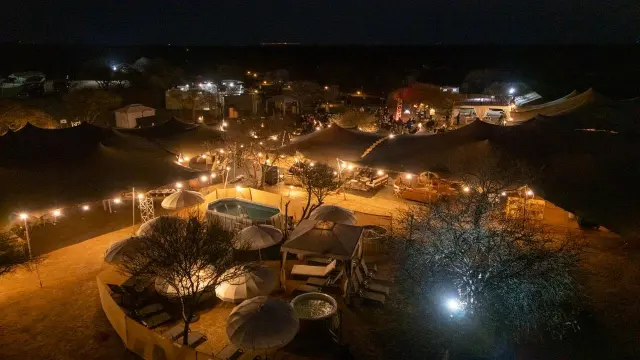
What follows is a slow convoy of four-wheel-drives through constantly shifting scenery: Mars-like rocky flats, canyons walled by colossal rock formations, and peachy dune seas with crisp ridgelines. The region's caves shelter at least 15,000 examples of rock art, some around 10,000 years old — hunters, dancers, giraffes, cattle. Accommodation ranges from stand-up-tent glamping with charging units to basic mobile camps with a campfire dining table and a canvas-cubicle loo. Days follow a forgiving rhythm: morning drives and walks, a shady lunch and siesta, then sunset dune climbs while the crew slow-stews Maghrebi mint tea over the embers for an hour.
One practical note: Algeria runs tight security. Guides must submit itineraries, guest identities and vehicle registrations to the military, and passports were collected and checked on arrival in Djanet. But local guides, who openly hope the country avoids becoming another Morocco or Tunisia, say the atmosphere for visitors currently feels relaxed — browsed markets and friendly hellos without hard-sell hassle.
Who's it for? Travellers who want genuine remoteness before infrastructure catches up. Tour operator Explore Worldwide runs a nine-day Algeria's Sahara Desert Adventure from around $2,410 excluding international flights (typically via Paris or London hubs), including most meals, an Algiers tour and five nights camping; a two-week version adds the northern cities. Pack patience and cash: ATMs are unreliable, cards are rarely accepted, and exporting dinars is banned. Also note binoculars and drones are illegal to bring into the country.
Expect sand in everything — one traveller's hair was described as almost solid with desert debris after days under canvas. That's the deal, and by most accounts, worth it. — Condé Nast Traveler