Two very different corners of the National Park system had to call in the bomb squads this autumn, and both closures trace back to something buried decades ago.
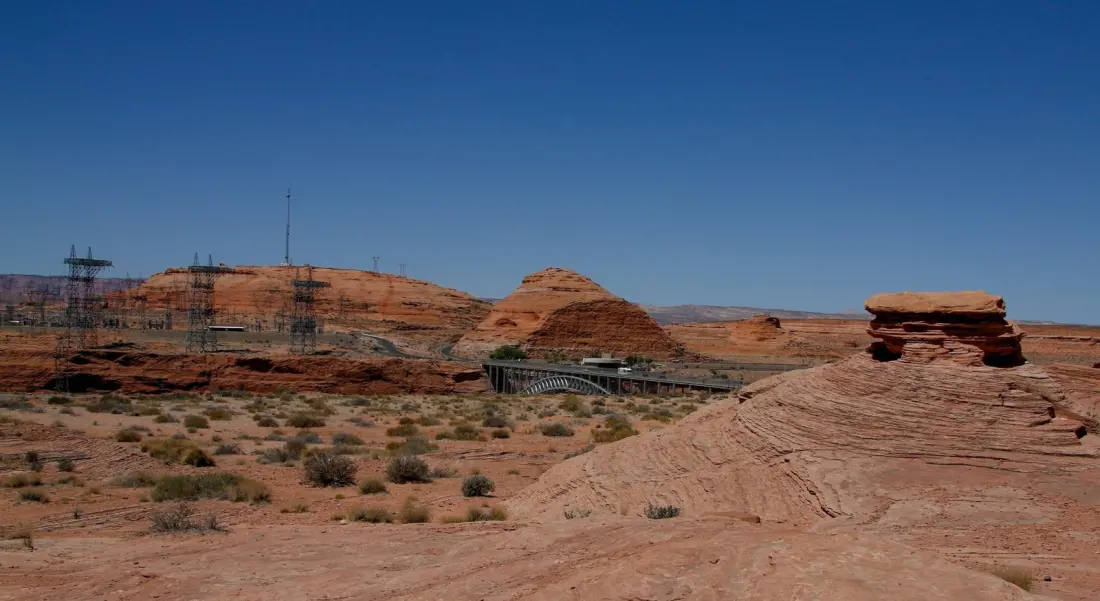
The first came at Lake Powell near Page, Arizona. On Oct. 30, the National Park Service announced that workers had found detonation cord — a flexible line packed with high explosive, used to set off blasting charges — in boreholes along a restricted service road by Glen Canyon Dam. An explosive ordnance disposal team traced it to the dam's original construction in the 1950s and 1960s, when crews blasted diversion tunnels through sandstone and dug the foundations down to bedrock. Officials say the dam itself faces low risk and there's no threat to the public, but they closed Chains Road and The Chains, a popular day-use spot on the shoreline for swimming, fishing and picnics, while they work out how to deal with it. No reopening date has been announced, though the wider Glen Canyon National Recreation Area stays open.
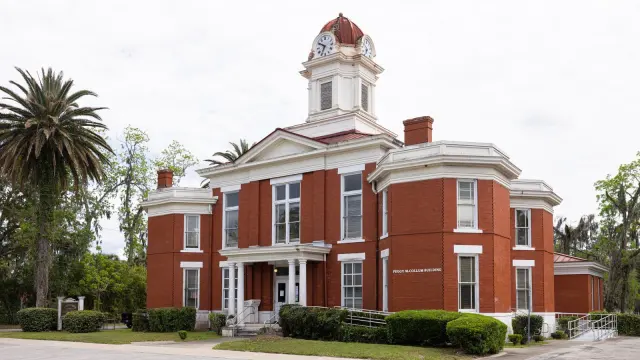
Nearly 2,000 miles east, Antietam National Battlefield in Sharpsburg, Maryland had its own explosives problem — this one 160-plus years old. Ten Civil War-era artillery projectiles were set into the concrete base of the O.T. Reilly Monument, and because they could still contain live powder, Marine Corps technicians from Quantico were scheduled to extract them in late October. The operation closed the visitor centre, the historic Dunker Church, nearby roads and two walking trails, and was kept off-limits to onlookers. Plans call for the rounds to go to Quantico and the monument to get a rebuilt base.
The monument has a good backstory: Oliver T. Reilly saw the Battle of Antietam as a boy in 1862 — the bloodiest single day of the Civil War — then spent his life in Sharpsburg as a guide, historian and collector. When he dedicated his monument in 1927 to the Dunker Church, a local oak tree and Union veterans, he embedded ten cannon projectiles from his own collection into the base.
Park rangers dealing with live ordnance is rare but not unheard of — a Civil War cannonball interrupted tours at Fort Sumter in 2022, and another prompted an evacuation at Fort McHenry in 2025. The Park Service has been tightening its procedures since then, reviewing museum collections for explosive items and publishing formal handling guidance.
For travellers, the practical takeaway is simple: if you're headed to Lake Powell, skip The Chains and pick another shoreline access point for now, and double-check the park's alerts before you go. At Antietam, expect the visitor centre and Dunker Church area to reopen once the removal wraps up — the battlefield itself remains well worth a visit, cannonballs notwithstanding.
Story via Outside Online.