
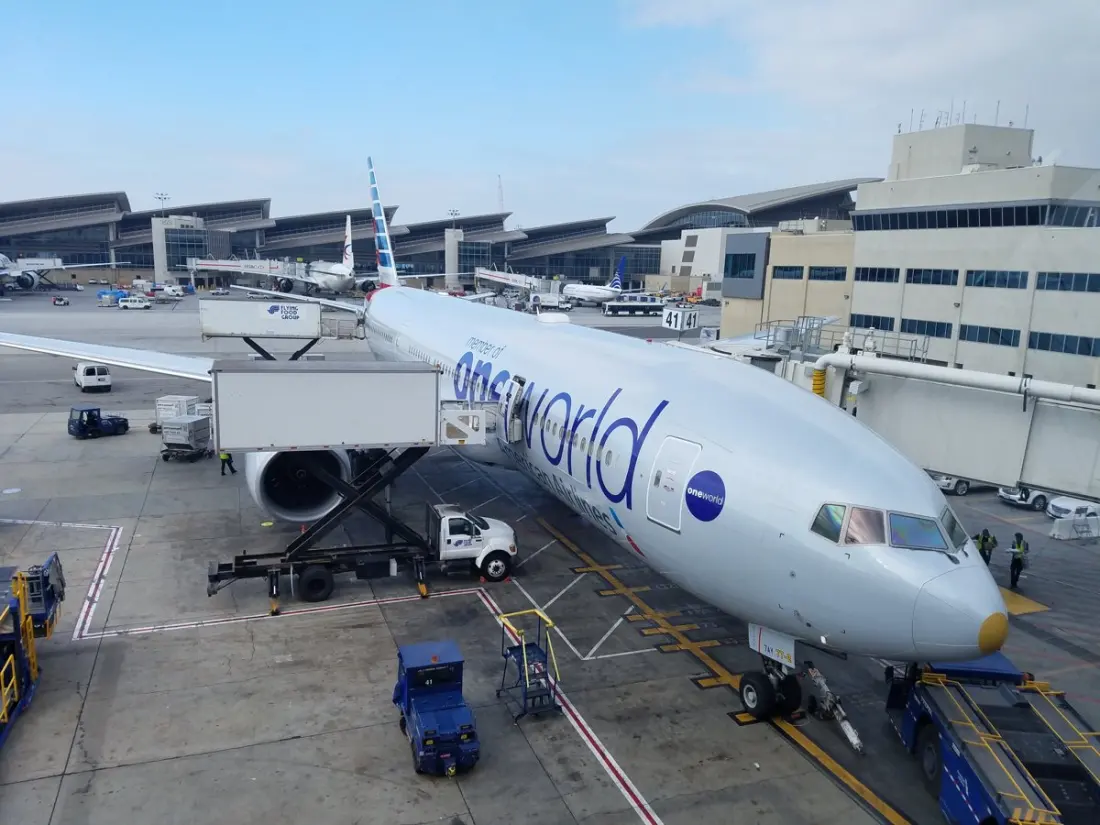
Airline alliances promise a world of possibility: earn miles with one carrier, spend them across a dozen. That pitch is real — but it comes with a catch that anyone redeeming points should understand before planning a bucket-list redemption.
The core problem is incentive. When an airline releases a first class seat to a partner program's members, the benefit largely flows elsewhere — the partner earns loyalty and revenue while the operating carrier eats the cost. So airlines quietly keep their most desirable award space for their own frequent flyers, even inside the same alliance.
The examples are everywhere. Lufthansa historically holds long-haul first class awards for its own Miles & More members, and Swiss limits first class redemptions to its top Senator and HON Circle tiers. Air France restricts La Première to Flying Blue Platinum and Ultimate members — so even a Delta Diamond has no path in. Singapore Airlines reserves much of its premium cabin space for KrisFlyer, with some partners like Aeroplan getting better access than others. Cathay Pacific, Qantas, British Airways and Qatar Airways all play similar games, holding back seats from partner programs — including American AAdvantage, despite American's deep joint ventures with BA and Qatar.
The pattern extends beyond awards. oneworld Emerald status is genuinely useful — it opens the superb Cathay Pacific and Qantas first class lounges, a real edge over Star Alliance and SkyTeam perks. But American excludes alliance elites from its own Flagship First Dining and Chelsea Lounge, and even with Flagship Dining opening to qualifying business class passengers on September 15, an Emerald member flying on status still won't get a seat at the table. Those carve-outs are written into the alliance rules themselves.
It's telling that airlines sometimes treat customers of credit card programs like Chase and Amex better than members of partner airlines — because the banks pay more for the miles than partner airlines do for equivalent seats.
There's a structural irony too. Transatlantic joint ventures like American–British Airways, United–Lufthansa and Delta–Air France are meant to work like mergers: revenue-neutral and metal-neutral, so the airlines shouldn't care which plane you fly. Yet a premium award booked with a partner's miles generates loyalty for someone else, so each airline rationally hoards seats — leaving the alliance as a whole less valuable than the sum of its marketing.
Even basics like baggage suffer. American generally won't through-check bags across separate reservations, even onto a oneworld partner, though a little-known workaround exists: have reservations add the connecting American flight inside an existing partner award booking. That's a lot of insider knowledge just to avoid rechecking a suitcase.
For travellers, the takeaway is practical: alliance membership doesn't guarantee equal access. If you're chasing first class on Lufthansa, Swiss, Air France or Singapore, your best odds usually come from earning that airline's own miles or topping up its status — or from knowing which partner programs (like Aeroplan with Singapore) get favourable treatment. For lounge access, don't assume top-tier alliance status opens every door, especially at American's premium facilities. Alliances absolutely widen your options; they just don't promise everyone the same ones.
Story via View from the Wing.