American Airlines' chief commercial officer Nat Pieper has been floating a bold phrase: the airline wants to be "the premier global airline based in the US." Management repeated similar language on its second-quarter earnings call. It's an audacious goal for a carrier that has been trailing Delta and United in both reputation and product — and one travel commentator argues the basics need fixing before the slogans mean anything.
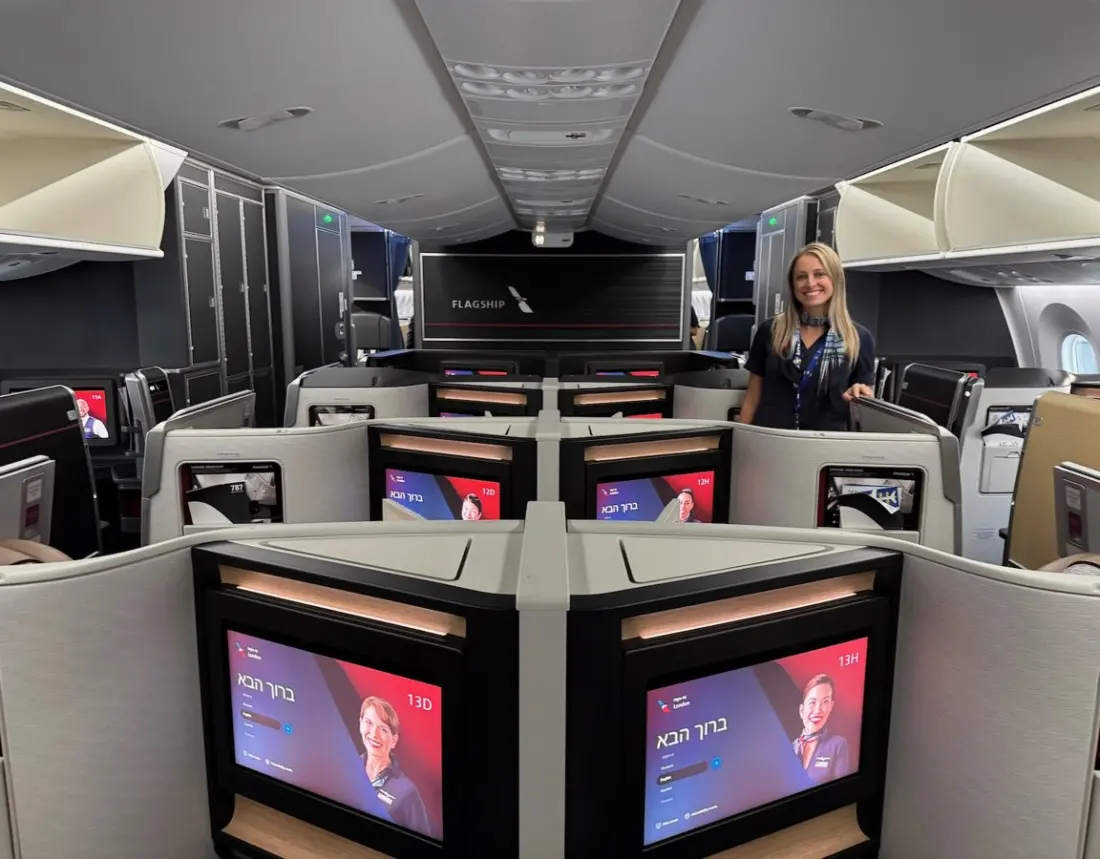
There is real substance behind the ambition, to be fair. American is putting Starlink across its mainline fleet, which should be a genuine upgrade — though notably, the airline's existing fast, free Viasat Wi-Fi has been one thing that actually works well. It is also bringing seatback screens back to narrowbody aircraft and rolling out new Flagship Suites, expensive moves that could finally let American charge premium prices on merit rather than undercutting rivals. And a practical policy change worth applauding: airport teams have been told involuntary bumping is no longer acceptable, with staff empowered to offer compensation and secure volunteers when a flight is oversold.
Then there's the reality on board. One frequent flyer's recent run of American flights reads like a case study in deferred maintenance: a rolling six-hour delay caused not by weather or mechanics but crew availability, then two A321T premium-cabin trips with a broken footrest, dead power outlets on consecutive flights, and a non-functioning entertainment system. A flight attendant was seen scrolling social media at the door without a word to deplaning passengers. These were premium tickets — paid for precisely because of the lie-flat seats that still differentiate American's transcontinental product from recliner rivals like Alaska.
None of this makes American hopeless. Aircraft refits take years, and one bad flight proves little. But a pattern of deferred cabin maintenance and unreliable operations undermines exactly the premium positioning the airline is trying to build. There's also an opportunity American could exploit while competitors pile restrictions onto basic fares: keeping ordinary seat selection and flexibility included with premium tickets is a simple reason to choose it when everything else looks similar.
For travellers, the takeaway is practical. American's long-term roadmap — Starlink, suites, screens — is promising, and free Wi-Fi is already a perk today. But if you're booking a premium cabin on its transcontinental routes right now, you're betting on equipment being maintained, not just installed. The airline will win back loyal flyers the slow way: one flight with a working seat, a charged phone, and an on-time departure at a time. Until then, "premier global airline" remains more aspiration than experience.