Egypt's food is the kind you build an itinerary around rather than snack on between sights. The country's classics stretch back millennia — one staple has pharaonic roots — and most cost a fraction of what you'd pay for dinner back home, provided you skip the tourist-facing restaurants and eat where locals do.
Start with koshari, the de facto national dish: a towering mix of rice, lentils, macaroni and chickpeas drowned in spicy tomato sauce, finished with crispy fried onions and a splash of sharp garlic vinegar. Born in the nineteenth century as a way to stretch pantry leftovers, it's now sold from dedicated carts on nearly every busy Cairo corner, with condiment stations offering chilli flakes, cumin and garlic juice for customising your bowl.
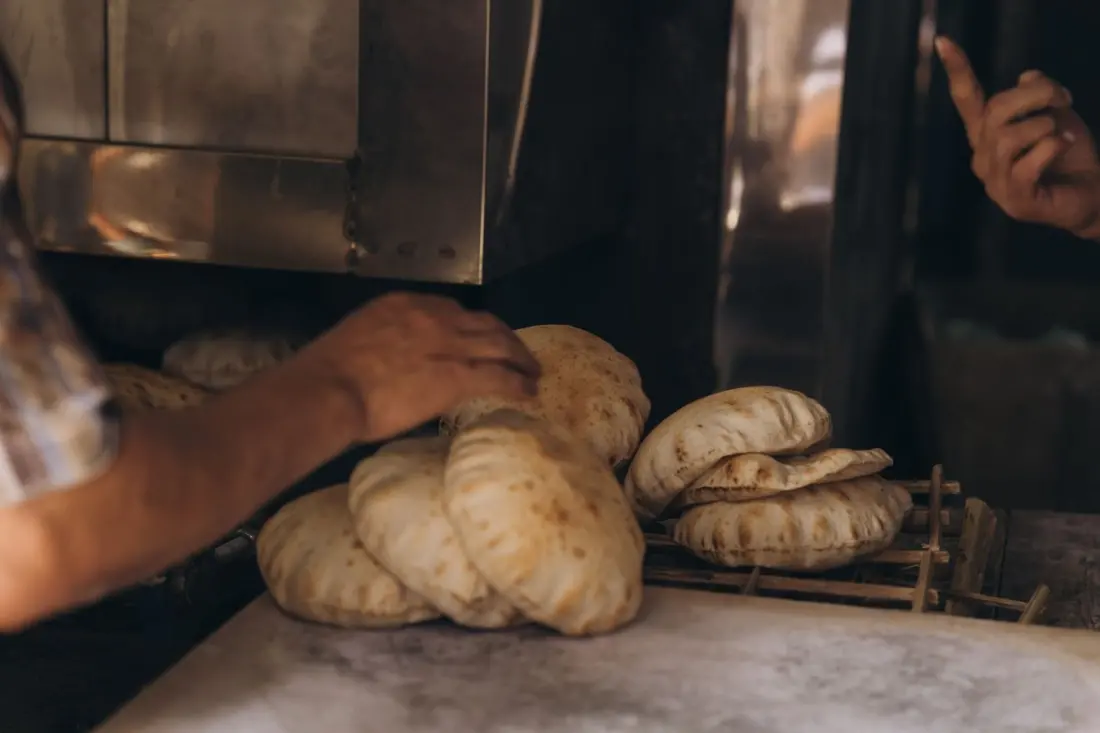
Breakfast belongs to ful medames, fava beans slow-simmered for up to 12 hours in narrow-necked copper pots until they turn into a rich, buttery paste, scooped up with balloon-shaped baladi bread. Its street-food cousin is taameya — Egypt's falafel, made with fava beans instead of chickpeas and packed with parsley and coriander, which gives it that telltale green interior. It comes in a sandwich with tomatoes, pickled turnips, tahini and fried aubergine, and it's the best vegetarian option in the markets.
For something greener, molokhia is a slippery dark soup made from finely chopped jute leaves — high in iron and vitamin C — finished with garlic and coriander sizzled in ghee and served alongside roast chicken and vermicelli rice. Meat eaters should chase hawawshi, spiced minced beef baked inside flatbread until the bread crisps and soaks up the juices, a perfect walking-around-city lunch. On the hearty end sits macarona béchamel, an oven-baked penne and beef casserole under a golden cream crust that shows the country's Greek and Mediterranean influences, usually reserved for family celebrations.
Fatteh is the festive showpiece: layers of toasted bread, garlic rice and boiled lamb or beef under tangy tomato sauce, tied to major Islamic holidays but available year-round in specialist restaurants. For snacks, mahshi are hand-stuffed vegetables — courgettes, peppers, vine leaves, cabbage, aubergines — filled with herbed rice and simmered in broth, a genuine labour of love best found in home-style kitchens.
And dessert? Om Ali, a warm bread pudding of pastry flakes, hot milk and nuts under a caramelised crust, reputedly invented to mark a Mamluk-era victory. Basbousa, a dense semolina cake soaked in rose water syrup, keeps for days thanks to yoghurt in the batter and sits in diamond slices in almost every bakery window.
Why it matters: Egypt rewards travellers who eat street-side and family-style. These dishes are cheap, filling and deeply local, so a food-first trip can double as your cultural immersion — no formal restaurant bookings required.
Story via Egyptian Streets.