Day nine of a Camino Francés trek starts at 5am in Logroño, headlamps cutting through empty streets. The writer, trekking with companions known as Alegre and Knockerz, is 118.9 miles into the pilgrimage and facing their longest day yet: 18.5 miles to Nájera in La Rioja, northern Spain. It is a vivid snapshot of what long-distance walking in Spain actually feels like — part navigation puzzle, part moving café society, part physical grind.
The morning gets off to a stumbling start when the marked route, followed via the Farout app and the scallop-shell waymarkers that serve the Camino like the Appalachian Trail's white blazes, dead-ends at a fenced-off section of a dark city park. Backtracking, the writer joins two strangers — a Polish software developer on extended EU leave and a 50-year-old psychiatrist from southern Germany — and together they thread a detour through backstreets using Google Maps, emerging into open countryside at sunrise.
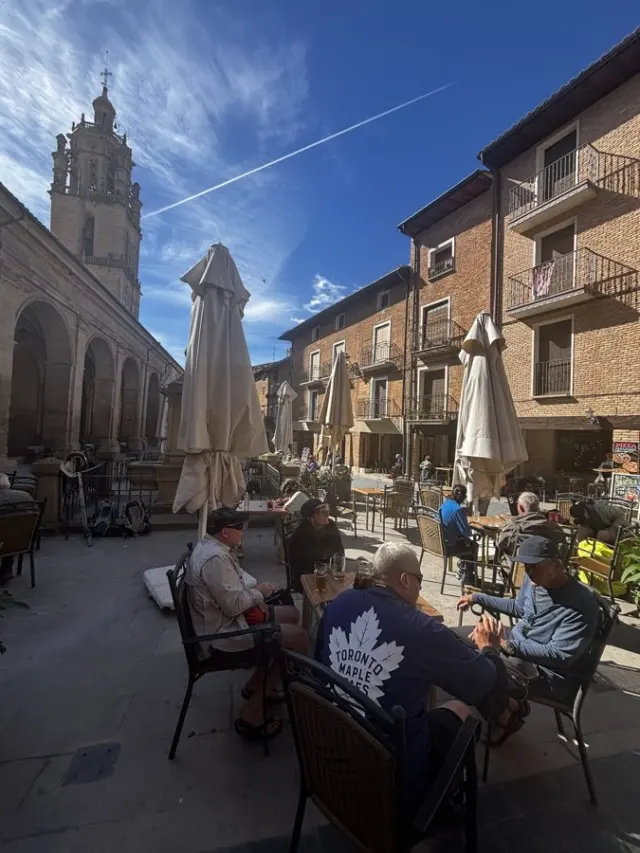
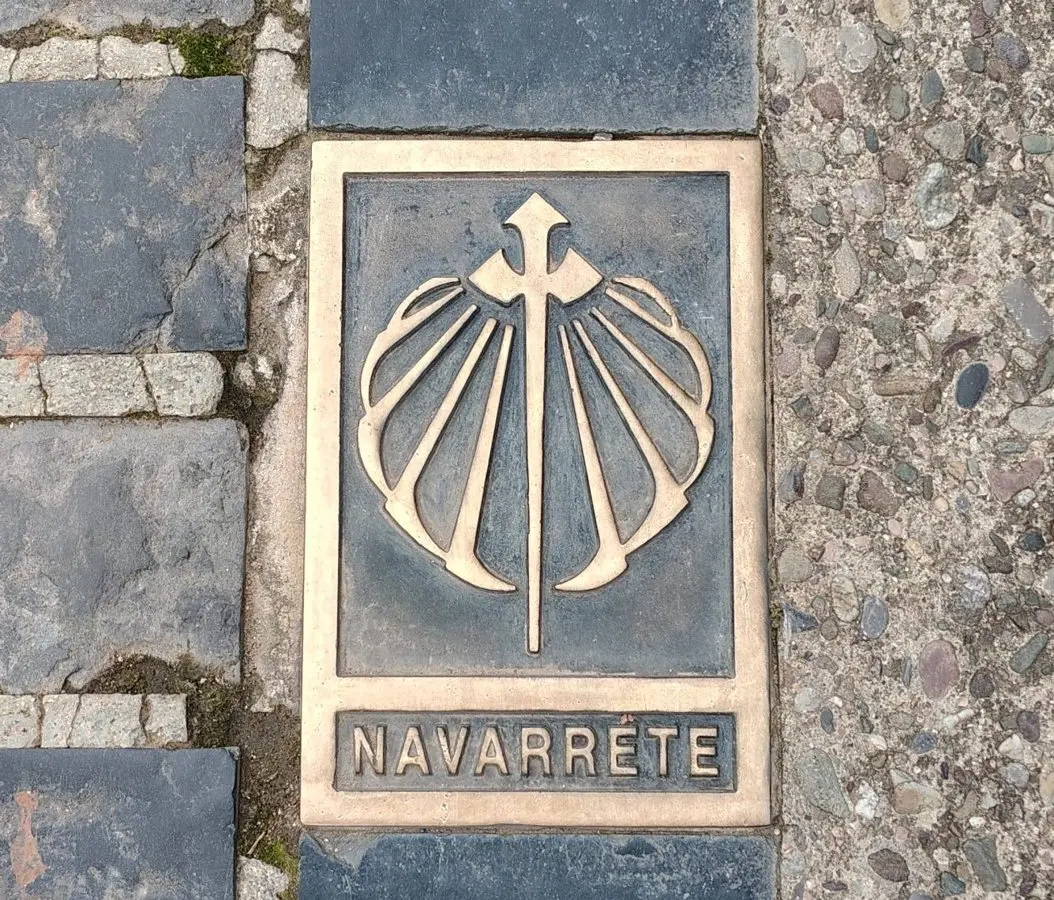
The route then runs along canals and through farm country before climbing the day's first real hill: a steep, vineyard-covered slope that warms everyone up despite 40°F morning temperatures. Navarrete, a medieval hilltop town, arrives at mile eight — early enough that breakfast at a café happens at 8:30am thanks to the dawn start. Its stone cathedral holds a highlight of the whole route so far: a gilded retablo, intricately carved wood wrapped in gold leaf, curving 180 degrees around the altar and rising 50 feet to the ceiling.
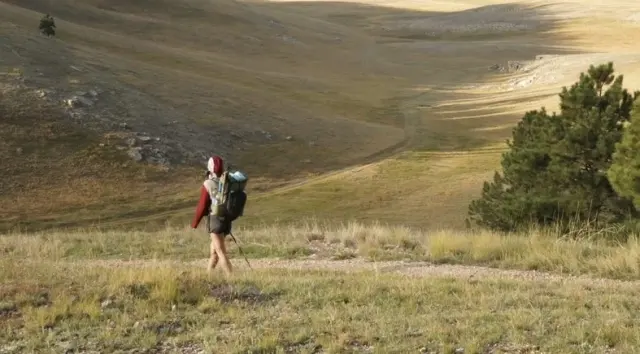
One of the trail's stranger sights follows: a mile of chain-link fence beside the highway where past pilgrims have woven thousands of small stick crosses into the wire — a quiet memorial that prompts reflection on why people walk this path at all. After a bypass around Ventosa and a long climb, the writer spots what look like snow-capped mountains to the north, dismissed as a mirage but destined to reappear over the coming weeks (the snowy peaks are real — the writer just hadn't met them yet).
The last stretch delivers the day's cruelty: cold rain at mile 15 and tired legs slowing the final 3.5-mile descent into Nájera by 2pm. The reward is a proper Spanish finish. Nájera is a medieval town stacked against red cliffs and split by a river, its older quarter a tangle of narrow alleys. Dinner is squid-ink paella — jet black, briny, umami-heavy, and temporarily tooth-blackening (hence the title). Evening brings visits to two monasteries in the rain, and a bottle of Reserva Rioja wine — oak-aged and famously good value in its home region — for about $5 at the local albergue.
For anyone eyeing the Camino, this day is a useful reality check. Daily mileage can be serious — 18-plus miles is a long day by any standard — the terrain rolls more than you might expect, and weather can swing from frosty starts to cold rain by noon. But the infrastructure is forgiving: shell markers, apps like Farout, pilgrim hostels (albergues), and a rotating cast of fellow walkers from Poland to Ireland make solo trekking remarkably social. Budget walkers should note that in wine country, excellent Rioja costs pocket change. Full credit to The Trek.