Guatemala has a habit of being overlooked, which is odd for a country that packs Maya pyramids, colonial cities, volcano-ringed lakes, two coastlines and the birthplace of chocolate into one compact, easily navigable territory. As flight connections improve — Guatemala City is now reachable from the UK with short layovers via Madrid, Mexico City, Miami, Montreal or Toronto — the region's most populous nation is stepping out of the shadows.
Most itineraries start in Antigua Guatemala, an hour or so from the international airport. UNESCO-listed since the 1970s, it's arguably the finest colonial city in the Americas: cobblestone streets lined with powder-blue and terracotta facades, lemon-yellow churches, fabric shops run by indigenous weavers, and the ruins of Dominican monasteries flattened by the 1773 Santa Marta earthquake. It's small enough to cover entirely on foot over a few days.
From there, head west to Lake Atitlán, ringed by volcanoes and frequently called the most beautiful lake on earth. It's a base for hiking and sunrise kayaking, but the real draw is cultural immersion — weaving workshops with Tz'utujil and Kaqchikel Maya artisans, plant-identification walks with local herbalists, or cacao roasting and grinding sessions.
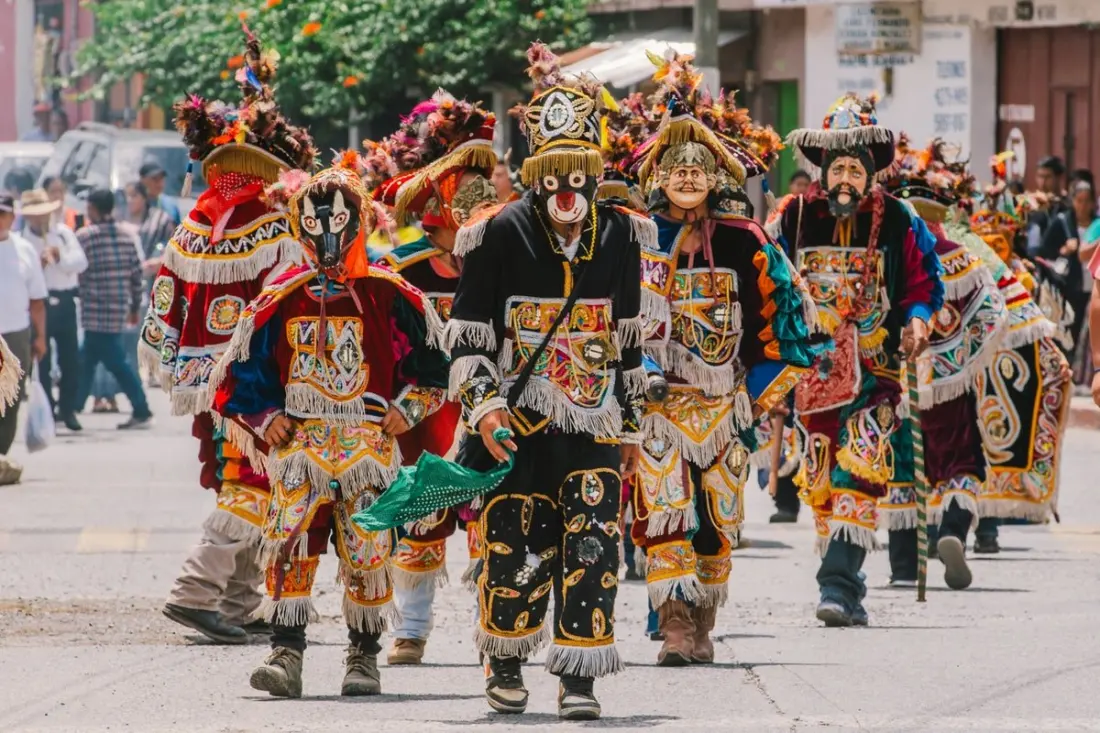
Shoppers should time their trip around Chichicastenango, the highland town whose huge open-air market takes over the streets every Thursday and Sunday. Artisans from surrounding villages sell carved masks, incense, woodcarvings and huipiles, the embroidered blouses worn by Maya women.
The finale is up north in Petén, the heartland of the ancient Maya civilisation. A short domestic flight from Guatemala City lands you at Flores airport, gateway to a vast biosphere reserve — jaguars, pumas, more than 200 tree species — where the jungle conceals one of the world's great archaeological sites. Tikal was a pre-Columbian metropolis housing up to 100,000 people at its seventh-century peak, and its temples poking through the canopy remain remarkably well preserved.
Flores itself deserves more than a transit stop. The island town sits on Lake Petén Itzá, its narrow streets filled with colour and lakeside restaurants perfect for sunset dinners. Food is a running theme throughout the country: pepián, the national dish of spiced meat stew with rice and maize tortillas, hole-in-the-wall spots serving stuffed pimientos, ambitious tasting menus in Guatemala City, and single-origin artisanal chocolate everywhere in between.
For travellers who want history, scenery and living indigenous culture in a single trip — without long transfers — Guatemala now offers Central America's most complete package.