Somewhere in Maine's 100-Mile Wilderness — the longest stretch of the Appalachian Trail without road crossings or resupply — a father and daughter faced the decision every long-distance hiker dreads. On day 163 of their thru-hike, the father's knee swelled to roughly twice its normal size after a fall. With only a sliver of phone signal at their shelter, they called Shaw's, the well-known hostel in Monson that serves AT hikers, to work out how to get him out.
The maths was sobering. A dirt road sat half a mile ahead, another five miles on, and after that there was no vehicle pickup for four more days. The family chose the half-mile exit. It was the sensible call: rest the knee, see how it heals, and if things go well, rejoin the group at a pre-arranged food drop halfway through the wilderness. Not the finish anyone wanted, but exactly the kind of flexible plan you need when you're days from a road.
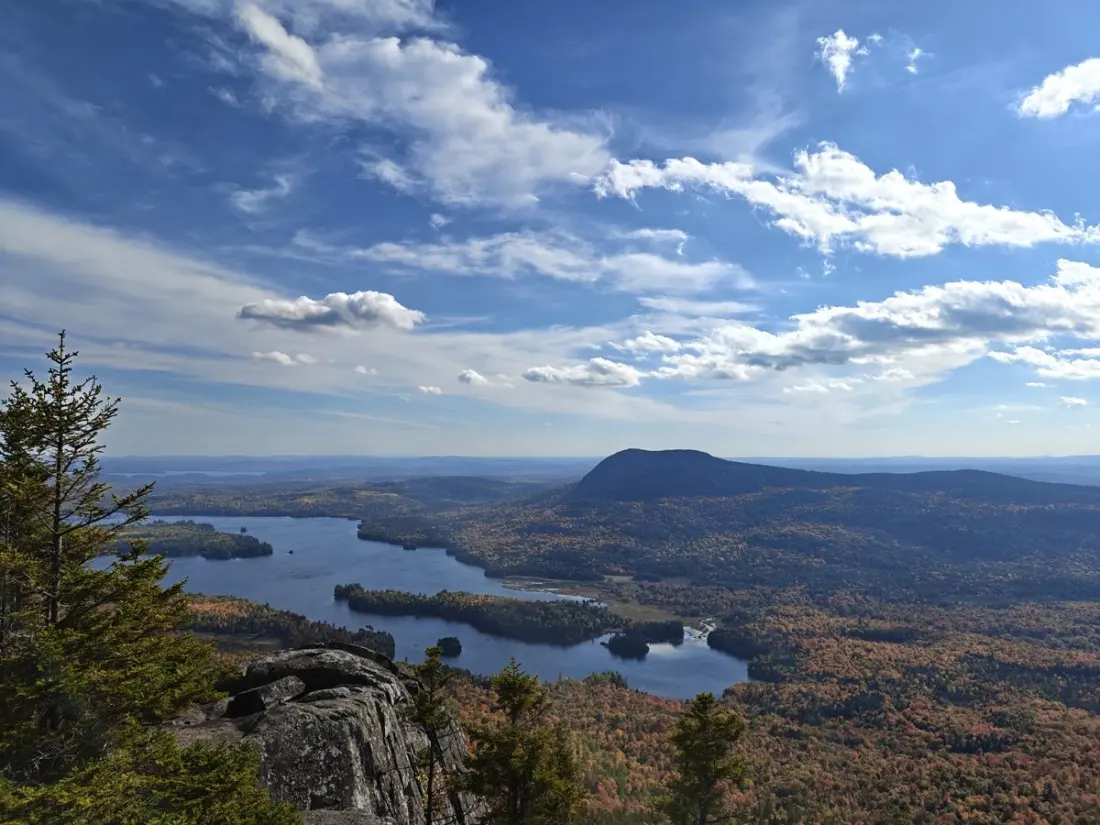
The rest of the group pushed on, and the trail did what the trail does. The terrain surprised them — flat on paper but rocky, root-riddled and awkward, more like Pennsylvania than the soft forest they'd expected from Maine. They passed swimming holes tempting enough that one hiker took a cold plunge despite the October chill. A long blue-blaze side trail at day's end led to a shelter beside a lake, the kind of reward that makes the extra miles worth it. Maine, the hiker notes, is mesmerising.
Food logistics loom large out here. With no resupply options inside the 100-Mile Wilderness, the group had arranged a paid bucket drop with Shaw's at the midpoint, and rationed carefully — carrying only essentials to avoid crushing pack weights, then running deliberately tight on the final stretch. When the dad bailed, he handed over his snacks, a small kindness that went down well with a ukulele and a rest break on a rock.
Why does this matter to a regular traveller? Because it's a clear-eyed look at how remote wilderness trips actually work. The 100-Mile Wilderness is beautiful and doable, but it punishes poor planning: no shops, no exits for long stretches, patchy phone reception, and pick-up points that can be four days apart. Anyone considering a section hike here should know where the bailout roads are, line up a shuttle service like Shaw's in advance, budget for food drops if they don't want to carry a week of meals, and — most importantly — be willing to cut a trip short when a body says stop. The mountain isn't going anywhere.
Story via The Trek.