Most of us can picture war instantly: a mushroom cloud, a napalmed child, a lone man facing down tanks. Ask for an image of peace, though, and things get vague — a dove, a V sign, an olive branch. That gap is the starting point for Imaging Peace, a new book by researcher Tiffany Fairey that examines how photography is used to build peace in places that have lived through war and genocide.
The book spans six conflict-affected places: Colombia, Rwanda, Northern Ireland, Mexico, Bosnia and Herzegovina, and Nepal. Fairey looks at methods including photovoice, photo mentorship, therapeutic and participatory photography. The Nepal chapter is the most detailed, and it's a fascinating read for anyone who has travelled in the country without realising how recent — and how unresolved — its civil war remains.
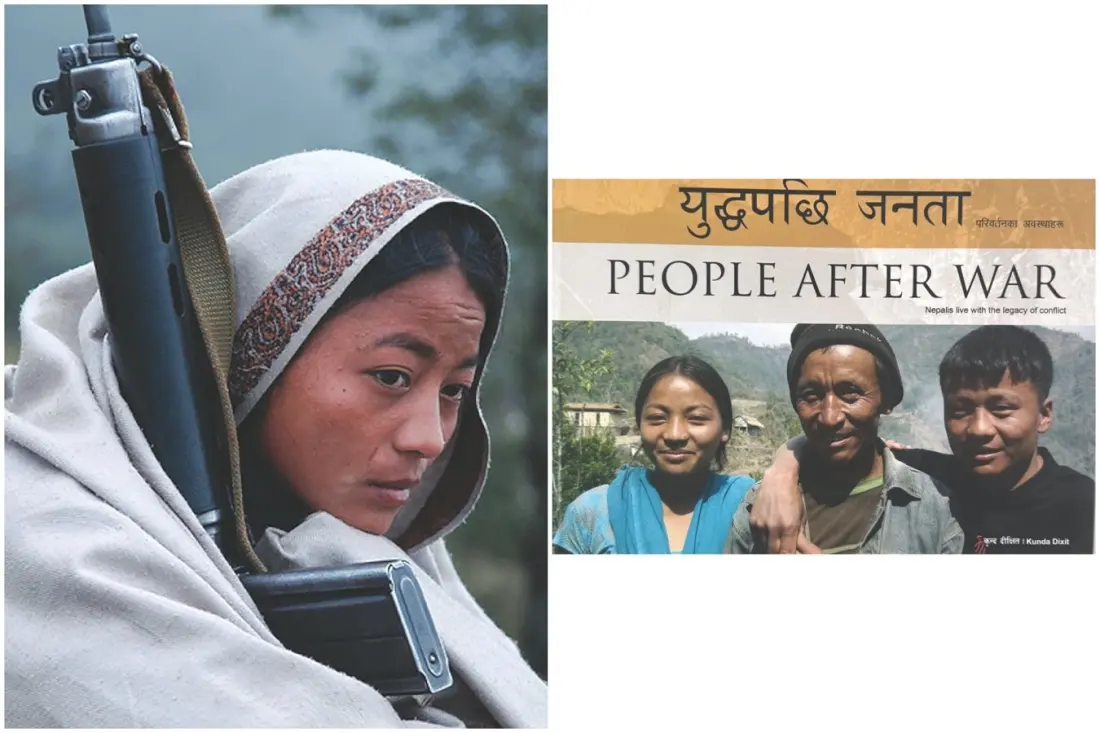
Between 1996 and 2006, Nepal's Maoist insurgency killed more than 13,000 people. Fairey documents three collectives working to keep that decade in public memory: journalist Kunda Dixit's trilogy of books and travelling exhibitions — A People War, Never Again and People After War — plus the Feminist Memory Project from the Nepal Picture Library, and Memory, Truth and Justice by VOW media.
Fairey calls these projects a 'counter archive'. Official histories, she argues, tend to serve whoever holds power, smoothing out the messy, marginalised accounts of ordinary people caught in the fighting. By collecting photographs and turning them into travelling exhibitions and testimonies, these collectives open space for sidelined stories — including those of women — and help communities process what happened rather than let it be quietly forgotten.
One small image captures the approach. In the Feminist Memory Project, a woman named Ashmita Khadka smiles at the camera, hair wrapped in a towel, kneeling in the snow. Her joy is simple: she finally gets to wash after many days. It's not a picture of war or a symbol of peace — it's an ordinary moment, preserved.
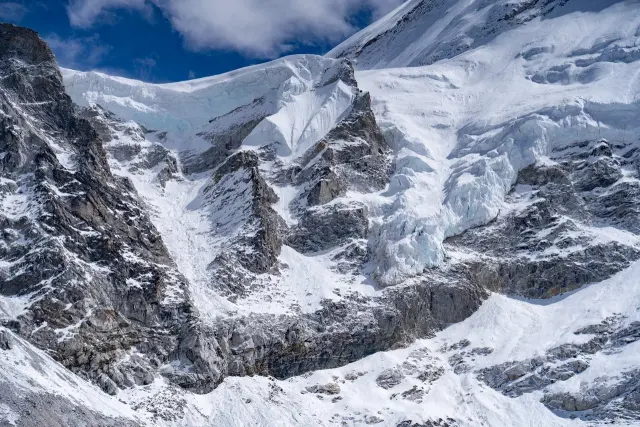
Why should travellers care? Because Nepal is far more than trekking permits and Everest panoramas. In Kathmandu, the work of these archives surfaces in exhibitions, books and community events that give visitors a way to understand the country's recent past beyond guidebook summaries. Travelling with that context changes the experience — the villages of Chitwan, the hills of the mid-west, the conversations with homestay hosts all read differently when you know what this generation lived through. For anyone interested in memory, conflict and how societies heal, Nepal has become one of the most thoughtful case studies in the world — and some of that work is genuinely accessible to visitors who seek it out.