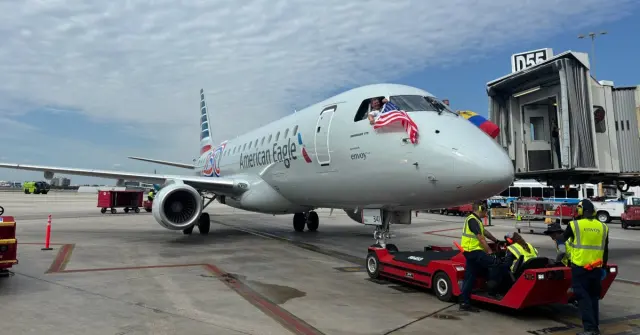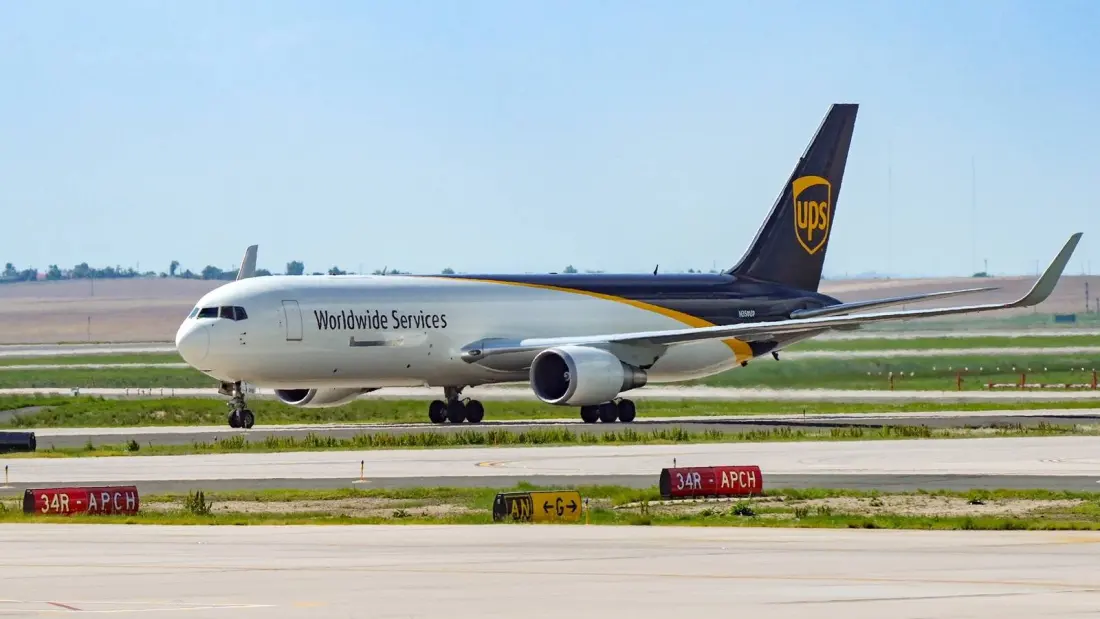
Miami International Airport became the latest stage for a growing pattern of ground collisions on Saturday night, when a UPS Boeing 767 freighter taxied into the path of a Copa Airlines Boeing 737-800 and the two aircraft made contact at the intersection of two taxiways.
The timing matters to anyone flying through the US right now. The bump happened around 9:15 PM local time — barely 24 hours after a rare nationwide ground stop froze American air travel. The Copa flight, CM427, had just landed from Panama City and was heading to its gate when the UPS 767, operating flight 358 to Bogotá, was cleared to give way and let it pass. It didn't. The 737's left wingtip smacked into the freighter's nose, and both crews stopped where they were.
The radio exchange was refreshingly honest. When the Copa crew reported "somebody hit us," the controller reminded UPS 358 it had been told to yield. The UPS pilots conceded they'd gone too far and been clipped, though they noted they were mid-way through a checklist for a runway change — a task that means reprogramming the flight computer while already moving on the ground. That's a workload spike, but FAA guidance is clear: one pilot should stay looking outside the aircraft at all times during taxi. The FAA has opened an investigation; two people were treated at the scene for minor injuries and neither went to hospital. Photos circulating online show notable damage to the 767's nose, and the Copa crew reported missing part of their left wingtip.
If you're a passenger, here's the takeaway: this is not a one-off. Only weeks earlier, a Delta A350's wingtip lodged in the tail of a parked Air Canada 777 during taxi at Los Angeles. Ground collisions at big hub airports have become a recurring story over the past year, and while they're rarely dangerous, they do cause delays, cancelled rotations and the odd rebooking headache. Miami is a critical connection point for Latin America — Copa, Avianca and countless cargo operators run through it — so an incident like this ripples through schedules for a day or two.
Travellers don't need to change behaviour — you can't influence taxiing. But it's a good moment to remember that the most common aviation incidents happen on the ground, at low speed, in crowded airports, and that investigations like the FAA's tend to be thorough. If you're connecting through MIA on a busy evening, build in a buffer; ground stops, runway changes and taxiway congestion are all part of the current US aviation picture.