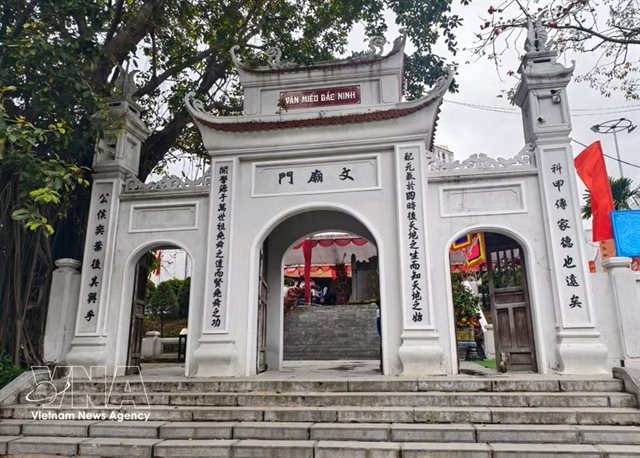
Most visitors to Vietnam head straight for Hà Nội's famous Temple of Literature, but an hour north in Bắc Ninh city sits a quieter sibling with a claim to fame of its own: a set of stone steles honouring some of the country's brightest feudal-era scholars — including 677 top graduates from the Kinh Bắc region alone.
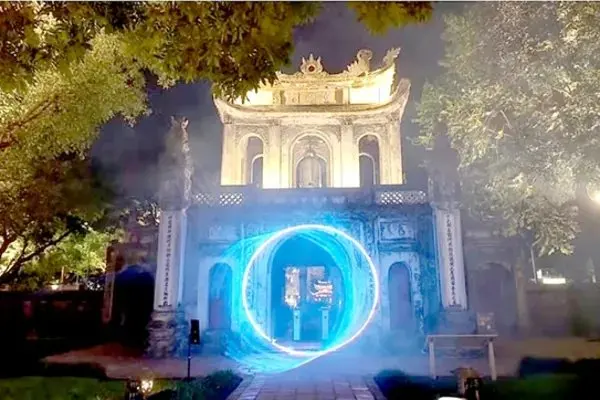
The Bắc Ninh Temple of Literature dates to the Early Lê Dynasty and was originally built in the Thị Cầu area of the former Kinh Bắc region. In 1893, under King Thành Thái, it was moved to Phúc Sơn Mountain, where it stands today. Like its Hà Nội counterpart, it is dedicated to Confucius and leading Confucian scholars, and it also honours notable figures from Bắc Ninh who served the country across Vietnam's feudal dynasties.
The site's real highlight is the Kim Bảng Lưu Phương collection — 'The Golden List Preserves Fame' — twelve stone steles erected in 1889 by education mandarin Đỗ Trọng Vĩ. Each stele records the full names, hometowns, exam years, degrees and official positions of candidates from Kinh Bắc who passed the highest-level royal examinations. The set was declared a national treasure in 2020; the temple itself has been a protected national relic since 1988. For anyone interested in Vietnam's old examination system, these stones are among the most detailed records in existence.
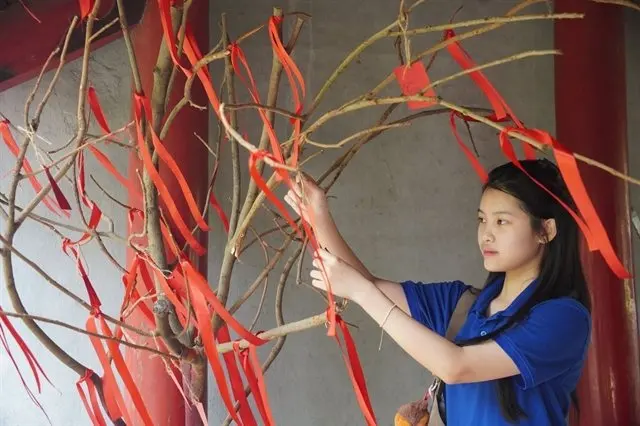
The numbers behind them are striking. Historical records count nearly 3,000 people who earned the highest academic degrees under feudal rule, and Bắc Ninh – Kinh Bắc produced 677 of them — roughly a quarter of the national total. That legacy still shapes the city today. Students who have won national and international competitions regularly visit to pay respects before big exams, and incense ceremonies, achievement-reporting events and scholarship presentations are held on site. Recent graduates join the ritual too: Nguyễn Hữu Tiến Hưng, who took gold at the 2024 International Chemistry Olympiad with the highest score on Vietnam's team, credits the steles for giving him a sense of the tradition he was carrying forward.
For travellers, the temple works well as a half-day stop in Bắc Ninh, a province better known for quan họ folk singing and its industrial buzz. The complex includes a three-entrance gate, front worship hall, rear hall, left and right pavilions, a Tào Soạn house and a leafy garden — compact, calm and easy to walk. The city has been investing in the area: a temple park project upgraded infrastructure and landscaping, and the new President Hồ Chí Minh Temple opened nearby in 2025, so the cultural quarter is growing. Staff from the relic management board are on hand to help visitors.
Who is it for? History buffs, education pilgrims and anyone who has already done Hà Nội's classics and wants something more local. Pair it with Bắc Ninh's folk-song villages and you get a genuinely off-the-beaten-path taste of northern Vietnam.