Pula's airport is quiet every winter, and that seasonal emptiness has turned into a public debate in Croatia. The question on the table: should Istria's gateway copy the Ryanair-heavy playbook that has made Zadar airport one of the Adriatic's busiest, or keep doing things its own way?
The debate even reached Croatia's Parliament, where SDP MP Sanja Radolović pushed for a direct route between Pula and nearby Venice. Local frustration is understandable — Pula still hasn't recovered to the passenger numbers it hit in 2019, currently handling around 554,000 travellers a year, roughly 200,000 short of its record. Enter new director Marko Ražem, who has broken with his predecessor's approach and, controversially, dismissed the idea of imitating Zadar.
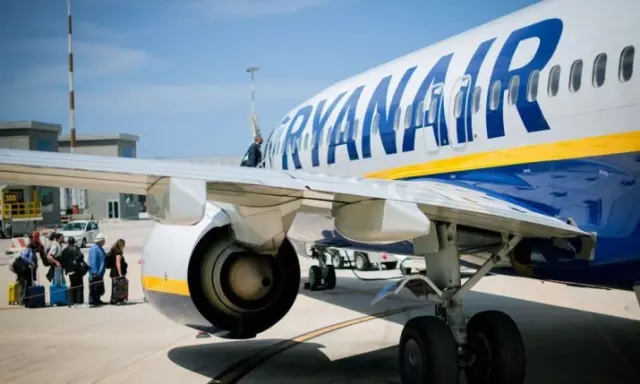
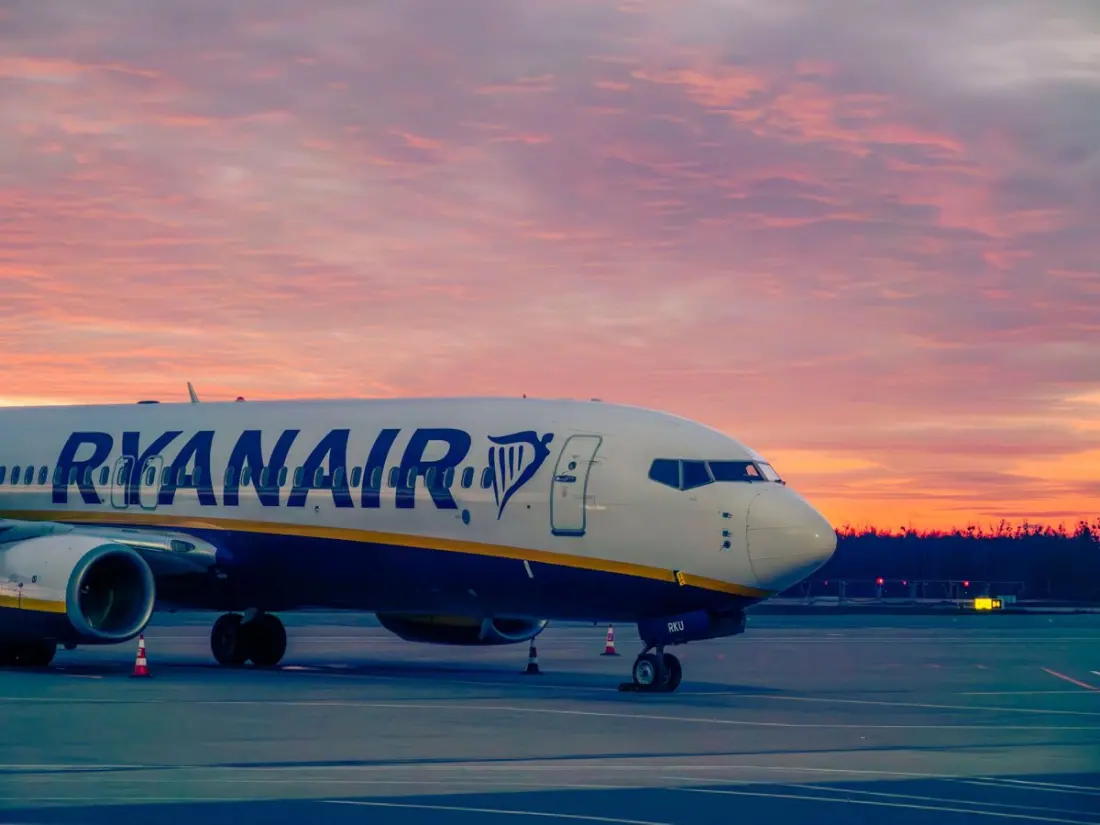
The numbers explain why. Zadar surpassed 1.6 million passengers in both 2025 and 2026, but that boom rests almost entirely on Ryanair, which carries an estimated 75-80% of its traffic and links the city to over 70 destinations. In aviation terms, that concentration is a high-stakes gamble. Ryanair is famously transactional: bases follow subsidies and low fees, and the airline has shown it will pull aircraft overnight when costs rise — as it recently signalled in Berlin, Bremen and Thessaloniki. If Zadar's biggest partner ever cut capacity, the airport's newly expanded terminal could end up standing mostly empty.
Pula's strategy is the opposite: fewer passengers, but spread across a wider mix of traditional airlines and charter operators, with Germany and the UK supplying more than half of arrivals. Ryanair has flown there since 2006, but it doesn't dictate the airport's fate. Ražem has said he wants to broaden the airline roster even further, accepting slower growth in exchange for stability.
History backs him up. Frankfurt-Hahn in Germany went bankrupt after Ryanair shifted flights away; Altenburg-Nobitz was abandoned outright in 2011 over a funding dispute; and Ciudad Real in Spain — the notorious "ghost airport" — closed once subsidies dried up. Zadar's current success is real, but it comes with a single point of failure in Dublin.
For travellers, this matters more than it might seem. Route maps at these airports are shaped by boardroom decisions, and the airports that diversify are the ones more likely to keep year-round and off-season connections alive — good news for anyone heading to Istria outside peak summer. Pula may never match Zadar's headline numbers, but it's far less likely to lose its links in one stroke.