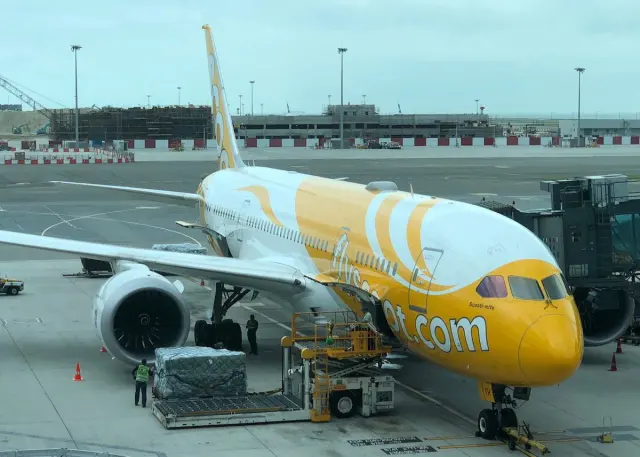
A flight attendant on a Scoot flight from Osaka to Singapore discovered a hidden camera in the aircraft lavatory, and the British passenger accused of planting it now faces charges in Singapore - including one that carries far more prison time than the voyeurism itself.
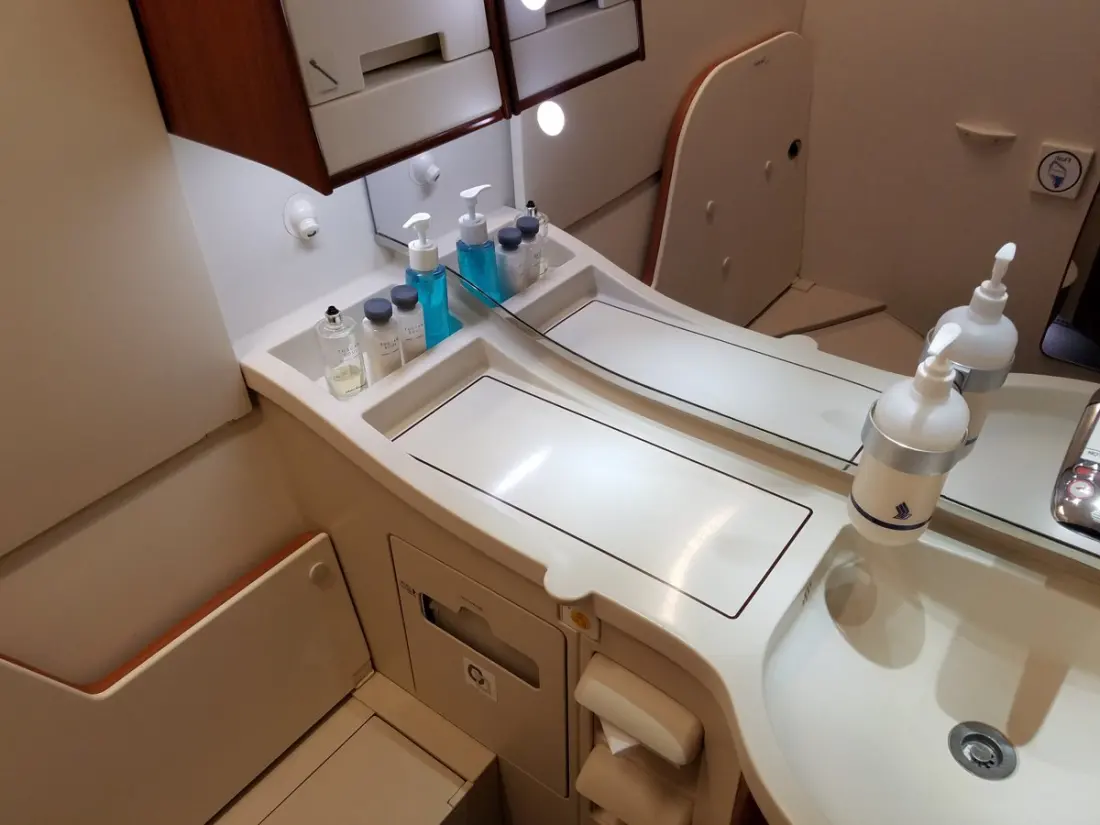
The incident took place on October 7 aboard Scoot flight TR821, operated by Singapore Airlines' low-cost arm. According to the Singapore Police Force, a 52-year-old British man allegedly concealed a camera in the lavatory, left, then activated recording remotely through an app on his phone. A female crew member found the device while using the lavatory, removed it and told a colleague. When the man later tried to retrieve it and realised it was gone, police say he deleted the app and the photographs it had captured to cover his tracks.
Officers were waiting when the plane landed at Changi Airport. Both his phone and the camera were seized, and he was detained. He was formally charged on November 5 and has been held in custody, with bail set at S$10,000. He intends to plead guilty.
The interesting legal wrinkle is where the real exposure lies. The voyeurism charge carries a maximum of two years in prison plus a possible fine. But obstructing the course of justice - the alleged deletion of the app and images - carries up to seven years, a fine, or both. In other words, the cover-up could land him far longer behind bars than the camera itself. Singapore's voyeurism law also allows caning, though men over 50 are exempt, which applies here given his age.
This is not an isolated type of case. In 2019, a United Airlines passenger was accused of hiding a camera in a first class lavatory on a San Diego to Houston flight; the device recorded him installing it, and investigators matched his clothing and jewellery to airport CCTV. Deleted files recovered from that camera also showed footage taken in an Emirates lavatory, including of a flight attendant. Separately, an American Airlines flight attendant received an 18-and-a-half-year prison sentence after a teenage passenger found his phone taped to a toilet seat; he reset the phone while investigators found recordings of other children in his cloud account.
For travellers, the practical takeaway is that crew and passengers do find these devices, and airlines and police increasingly treat them as serious criminal matters - so if you spot something unusual in a lavatory, don't touch it more than necessary, report it to crew immediately, and let authorities handle retrieval and evidence. Reporting it promptly also protects you from any suggestion of tampering. The case also shows why jurisdictions like Singapore prosecute aggressively: passengers should assume that anything done onboard is treated under local law at the destination, whatever their home country's rules are.
Original reporting by View from the Wing.