Italy packs Renaissance cities, alpine lakes, cliffside fishing villages and volcanic islands into a country you can cross by train in a few hours. A new region-by-region guide from World of Wanderlust ranks the 20 best places to visit and makes a convincing case that the classic Rome-Florence-Venice sprint is the worst way to see the country.
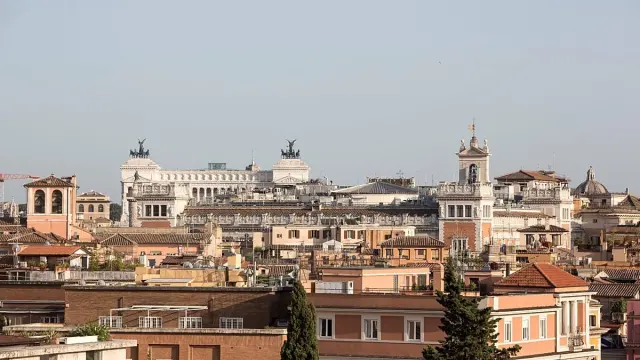
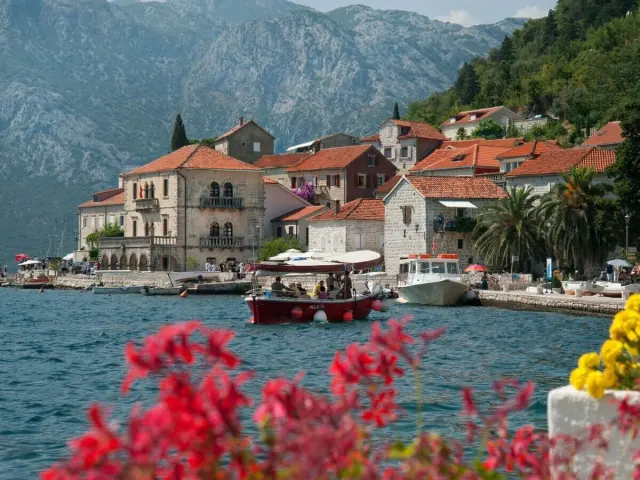
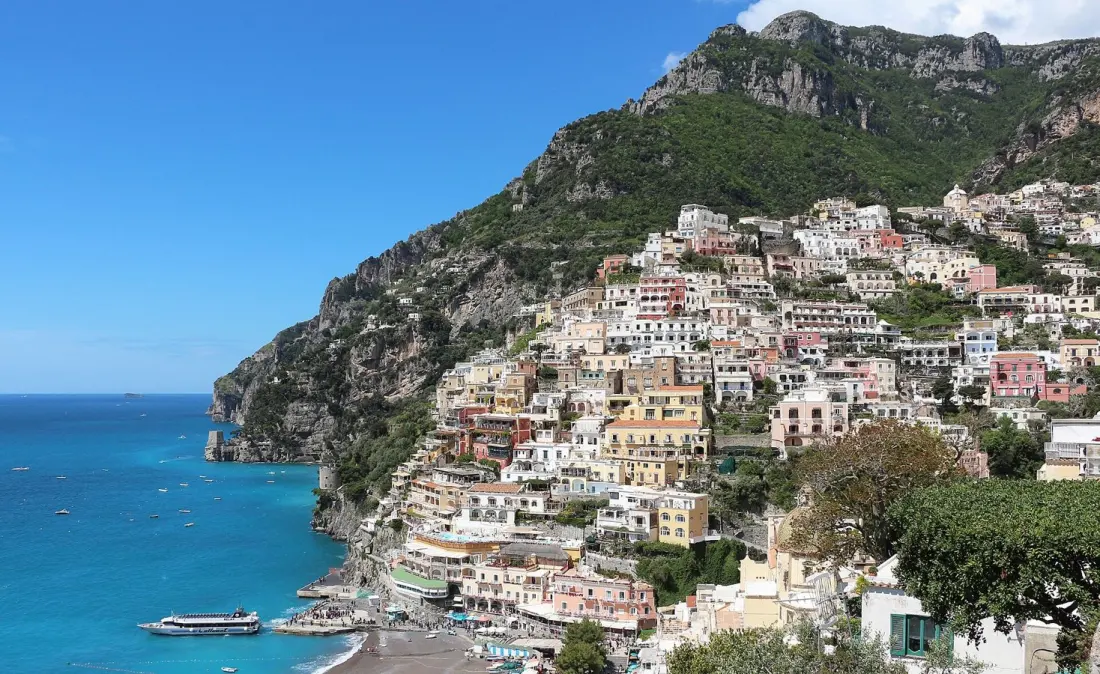
The guide's most useful idea is its geography. Northern Italy — Venice, Lake Como, the Dolomites, Cinque Terre, Verona and Portofino — works as a ten-day loop from Milan or Venice, with fast trains linking the lakes and coast. Central Italy (Rome, Florence, Val d'Orcia, Siena, Civita di Bagnoregio) is where first trips should start: Rome and Florence sit 90 minutes apart by high-speed rail, with the Tuscan hills in between. The south, from the Amalfi Coast across to Puglia, deserves its own trip, while the islands — Sicily, Sardinia and the Aeolian archipelago — reward repeat visits and draw the fewest crowds.
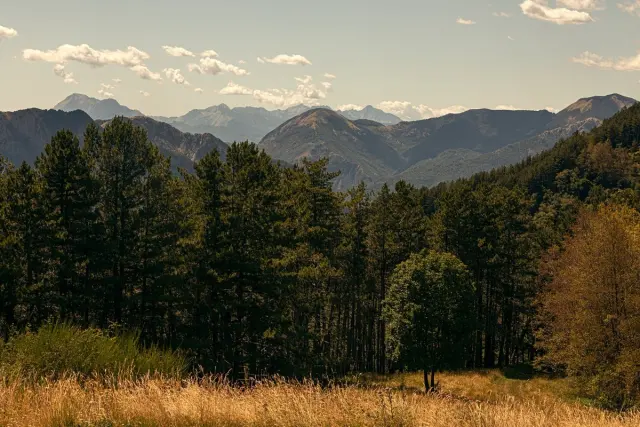
Some specifics worth stealing. In Venice, the advice is to stay overnight rather than day-trip: once the crowds thin, Cannaregio and Castello feel almost medieval. At Lake Como you don't need a car — train to Varenna from Milano Centrale in an hour, then use the ferries between Bellagio, Varenna and Tremezzo, ideally in spring when the villa gardens peak. The Dolomites are the exception to the no-car rule: fly to Venice or Innsbruck, drive two to three hours, and hike the Tre Cime di Lavaredo loop or catch the pale peaks glowing pink at sunset.
In Tuscany, the Val d'Orcia — a UNESCO-listed valley of cypress drives and wheat fields — needs a hire car since there's no practical public transport, but rewards you with Brunello tastings in Montalcino and hot springs at Bagno Vignoni. Siena makes a calmer base than Florence, and if you're there on 2 July or 16 August you get the Palio horse race in the Piazza del Campo for free. Further south, Matera in Basilicata gets flagged as the 'something different' pick, while the Aeolian Islands off Sicily are the guide's answer to overtourism.
Who is this for? Anyone planning a first Italian trip who wants a structure rather than a checklist. The quick-pick table alone is handy: Rome for first-timers, the Amalfi Coast for honeymoons, the Dolomites for hikers, Costa Smeralda for beaches, Val d'Orcia for food and wine. Match your trip type to a region, string together two or three stops, and you avoid the mistake of ticking off cities without seeing any of them properly.