Banyan Group's deputy CEO Ho Ren Yung has a blunt take on hotel sustainability: the word itself has stopped working. Speaking with Skift's Sarah Kopit at the Skift Global Forum, she admitted that when companies talk sustainability, "people's eyes gloss over" — so Banyan reframes the whole idea as "contribution," measuring what each property uniquely adds to its location, its community and its local ecology, rather than only what it reduces.
Her argument cuts at an industry habit: treating green commitments as a reporting exercise. Banyan instead budgets nature as part of capital expenditure — the wetlands, forest or reef around a hotel count as infrastructure, not decoration. For travellers, that's a meaningful shift in what you're actually paying for: not just a lower-carbon building, but a landscape and community that a property actively invests in.
Ho also challenged how travel brands segment their customers. Age brackets, she suggested, are the wrong organising principle — where guests come from and their culture shape expectations far more than generational labels. One pattern she highlighted is kinship travel, the multi-generational family trips that define much of the Asian market, with families increasingly wanting wellness experiences they can do together rather than separate spas for adults and kids-only clubs.
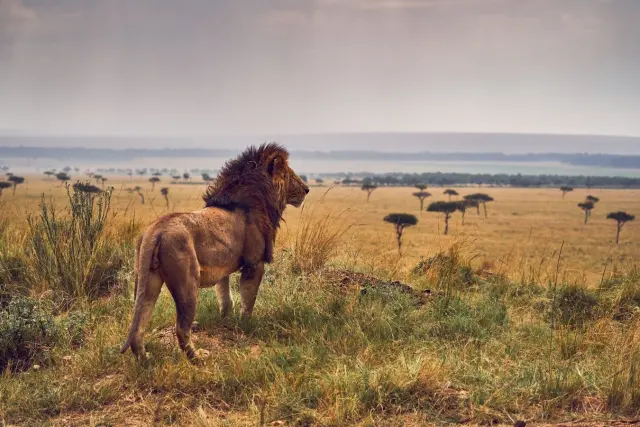
On growth, Banyan describes itself as "asset right" rather than asset-heavy, and expands through partnerships it considers value-aligned. Its acquisition of Newmark in South Africa added 26 properties — heritage hotels and private game reserves — selected specifically for their deep local roots. The lesson for the wider industry: scaling through contracts alone, Ho argued, isn't the way to build brand value.
Two things to watch came out of the session. First, Ho called nature-based experiences "the next luxury" — rare, place-specific encounters that can't be replicated at scale. Whether high-end travellers will pay premium rates for ecological participation on top of the usual amenities is the open test. Second, Banyan's marketing bets on earning attention through commitment to place rather than fighting for visibility on every platform — an approach whose viability will be tested as travel discovery shifts toward AI.
Why does this matter if you're not a hotel executive? Because the properties adopting this thinking will feel different to stay in: more of your spend routed to local communities, more experiences built around the destination itself, and itineraries designed for families travelling across generations. If you've found sustainable travel marketing hollow, the pivot from compliance language to measurable contribution — and to nature as the real luxury good — is a trend worth tracking when choosing your next hotel.