Cuenca, Ecuador's storybook colonial city, put on a monster programme for its independence holidays this year: more than 330 events announced by the municipality in late October, running well beyond the four-day national holiday of October 31 to November 3. The city's official balance, presented on November 4 and picked up by Metro Ecuador and Teleamazonas, put the estimated economic activity at $38.2 million, with average hotel occupancy hitting a striking 89.22%.
Those headline numbers are genuinely good news for a city that leans heavily on tourism and expat visitors. But the finer print tells a more complicated story. EDEC EP, the municipal economic development agency, recorded $81,000 in sales across seven designated fair locations, with three cultural fairs adding another $38,728 — a combined $119,728. That covers only the named selling spaces, not every stall, shop and restaurant in town. And crucially, an estimated citywide economic footprint is not the same thing as an individual vendor's profit. Nobody published figures on what sellers spent on stock, extra help or transport, or what they were left holding unsold at the end of the night.
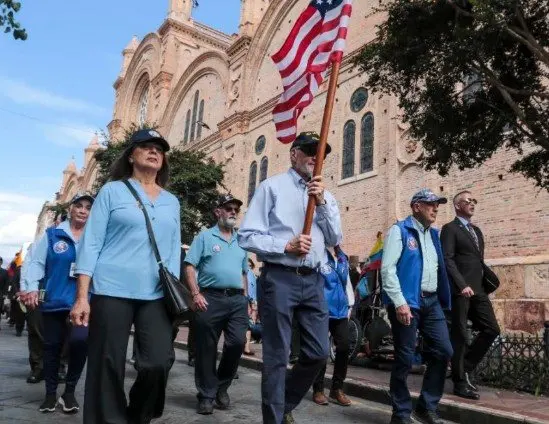
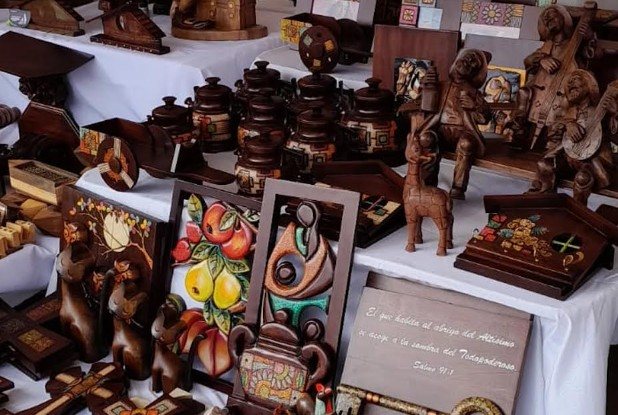
The festival calendar turned several neighbourhoods into open-air marketplaces: selling spaces along Paseo Tres de Noviembre, Avenida 12 de Abril, San Blas and Santo Domingo. Along the Tomebamba river, tent stalls lined the banks; crowds gathered by the Broken Bridge; a police band played near Parque de la Madre. Traditional guaguas de pan — the brightly iced bread figures baked for the season — were on display, and the Artisan's Day Parade on November 5 carried the theme "Manos que crean, historias que perduran": hands that create, stories that endure, with a float honouring Azuay's master bakers.
For travellers, the takeaway goes beyond the statistics. Festivals like this are when a city's trades — bakers, craftworkers, market vendors — step out from behind their counters and become part of the spectacle. And the small-business perspective matters if you're the kind of visitor who wants their money to land locally: buying from a market stall or neighbourhood bakery, then coming back the next morning, does more for that business than any crowd photo. The municipality's own framing made the point — the goal of the 330 activities was to help shops, restaurants and hotels attract customers who might return long after the music stopped.
Cuenca's holiday season runs into December, so visitors arriving in the coming weeks will still catch the tail end of the programme, minus the peak crowds. The four-day independence weekend delivered record occupancy and a buzzing historic centre; the fair numbers were modest but real. Whether the celebration was a success depends on who you ask — the visitor who enjoyed it for free, or the baker who started early, bought flour on credit and hoped the new faces would come back tomorrow.
Figures and programme details reported by Cuenca High Life.