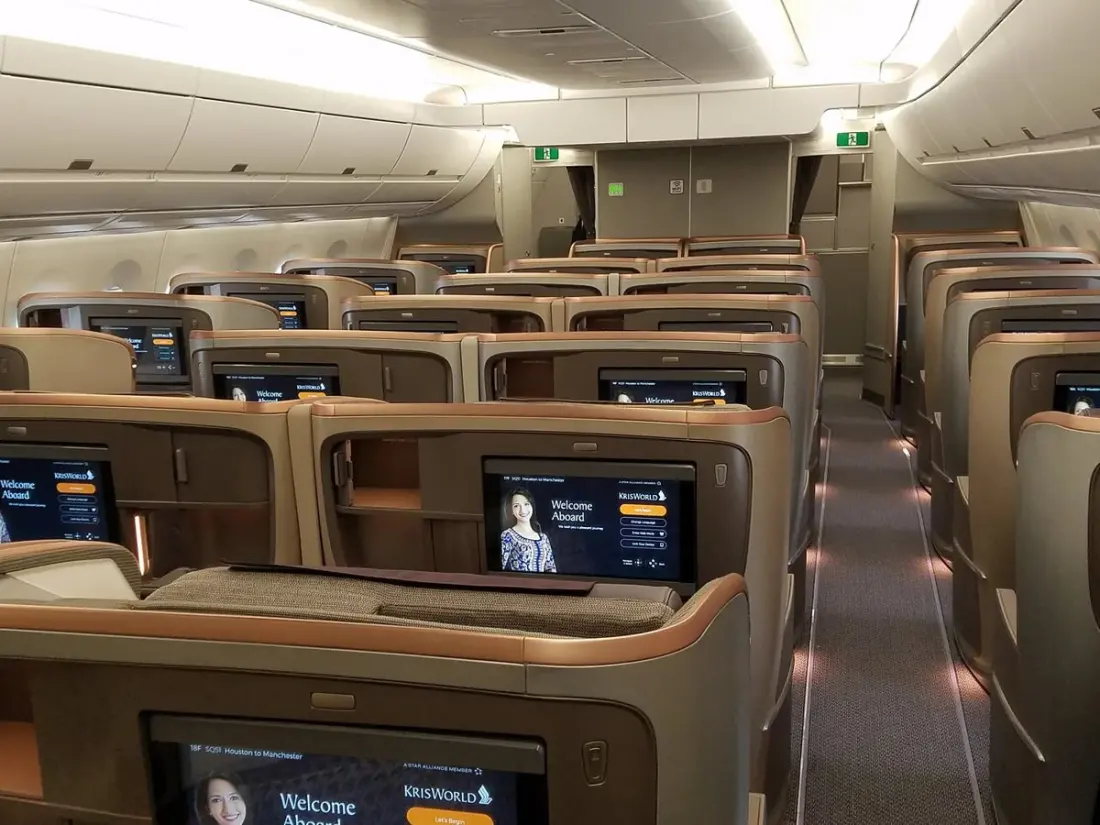
At least 15 airline brands now sell some version of 'basic' business class, and the trend is accelerating fast. The pitch is a cheaper flat bed; the reality, according to a detailed breakdown by View from the Wing, is that airlines are mostly stripping perks from the cheapest fares while nudging the old product's price upward.
The clearest example: from September 8, Air France-KLM's Flying Blue will split its business awards. A New York–Paris business seat that costs 60,000 miles today will still start at 60,000 miles—but it loses lounge access, a checked bag, and any ability to change or cancel. Getting back today's package requires the new Standard award at 75,000 miles. That's a 25% mileage increase dressed up as a new entry-level option.
Cash examples tell the same story. Delta's launch figures showed Basic Business at $2,689 versus $2,889 for the classic fare—roughly 7% less. United's example differed by just $100. Finnair's Business Light has typically run about 10% below regular business. Nobody is inventing a $1,500 transatlantic lie-flat ticket; they're moving the goalposts on the lowest fares.
Why are airlines doing this? Their premium cabins keep growing—United's newest 787-9s carry 64 Polaris seats, American's refreshed 777-300ERs will have 70 Flagship Suites, and Delta's A350-1000 will be half premium. Empty flat beds at departure can never be resold, so airlines want new ways to discount close to flight time without handing the deal to passengers who'd have paid full fare. Their chosen tool—removing lounge access, seat selection, and flexibility—may not work, since flexibility matters less on last-minute bookings and elites often get the perks back anyway, making the stripped fare attractive to exactly the wrong customers.
The spread is broad: Delta's Basic Business, United's Polaris Base, Air Canada's Business Basic, JetBlue's upcoming Mint Base, plus stripped-down fares at Emirates, Qatar, Etihad, Air France, KLM and the Lufthansa Group (whose Business Light is milder, keeping lounge access). Even Singapore Airlines restricts its cheapest business fares and most awards to rear-cabin seats.
For travellers, the practical takeaway is to compare the full package, not the headline price. If you have lounge access via credit card or status, value flexibility, or hold elite benefits, a basic fare can be genuinely rational. But if you were happy with today's business class product, expect to pay more for it—whether in cash or miles—and always check whether the 'discount' is worth the removed bag, seat choice and refundability before booking.